
A night sky worth traveling for starts here. This Teide-area walking tour turns an easy, low-key stroll into real constellation time, with explanations from an astronomy expert and chances to look up without a screen. You also get a guide-led mix of Milky Way viewing (when visible) and moonlight guidance along a path where you’ll learn what you’re actually seeing.
I love the way the group keeps moving at a calm pace, with stops built in for naked-eye stargazing and clear commentary. I also like that it’s capped at 20 travelers, so the guide can actually keep your questions in the mix instead of rushing you through the dark.
One thing to plan for: the experience depends on good weather, so cloud cover or poor conditions can change plans or trigger a reschedule/refund.
In This Review
- What makes this stargazing walk work so well
- Teide after dark: why this walking tour feels different
- The right expectations: easy walking, real stargazing focus
- Meet at 7:30 pm: logistics that keep the night smooth
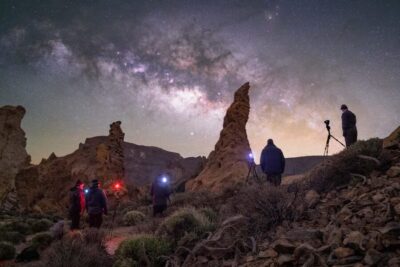
- Stop 1: Teide National Park under the Milky Way or moonlight
- Stop 2: Los Roques de Garcia and another chance to learn the sky
- The astronomy guide effect: why the human part matters
- Value for money: $28.40 for expertise and guided sky time
- Who should book this Teide stars walk
- Practical tips to make the most of the night
- Should you book it? My take
- FAQ
- What is the duration of the Teide walking stargazing tour?
- What time does the tour start?
- Where does the tour meet and where does it end?
- Is transport included?
- What language is the tour offered in?
- How many people are in the group?
- Is the walking route difficult?
- What should I do if the weather is poor?
- Can I cancel for a full refund?
- Is the tour accessible for most travelers and are service animals allowed?
What makes this stargazing walk work so well
- Teide National Park at night: a serious setting for sky-watching, not just a quick photo stop
- Astronomy expert guidance: you’ll get star and constellation context, not guesswork
- Easy walking route: low difficulty and an about-2.5-hour duration
- Two key viewpoints: Teide National Park and Los Roques de Garcia, with contemplation stops
- Small group size (max 20): better attention from the guide
- English tour: straightforward for English speakers
Other ways up the volcano, side by side
- Tenerife: Mount Teide Tour with Cable Car Ticket & Transfer★ 4.3 · 5,094 reviews
- Tenerife: Teide National Park Sunset & Stargazing Tour★ 4.2 · 3,812 reviews
- Tenerife: Sunset and Stargazing at Teide National Park★ 4.7 · 2,826 reviews
- Teide National Park Sunset & Stargazing with Dinner (Star Safari)★ 5.0 · 2,601 reviews
Teide after dark: why this walking tour feels different
If you’ve ever looked up at a sky and thought, I know the stars are there, but I don’t know what I’m seeing—this is built for you. The core idea is simple: you walk a low-difficulty route under the night sky, then pause often enough to actually notice details. That pause time matters. In a normal sightseeing day, you’re scanning fast. Here, you slow down on purpose.
Teide’s area is one of those places where “look up” becomes a whole activity. You’re not just hearing facts from a distance—you’re standing still long enough to recognize patterns, even with your naked eyes. The guide’s role is to connect what you see to real constellations and star details, so the sky starts to make sense instead of feeling random.
And for the price, you’re mostly paying for expertise plus time outside. At $28.40 per person for about 2 hours 30 minutes, you’re getting an astronomy guide and structured viewing stops. Transport isn’t included, so you’ll want to get yourself to the meeting point, but you’re not paying extra for a bus ride you might not even need for the walk itself.
The right expectations: easy walking, real stargazing focus
This is a path that’s described as suitable for everyone, with very low difficulty. That doesn’t mean it’s a casual “wander and forget” stroll. The route is timed around viewing. Stops are part of the plan, so you’re not stuck walking for long stretches without a reason.
Expect about 2 hours 30 minutes total, and expect pauses. Those explanation-and-stare breaks are where the tour becomes memorable. If you love learning, you’ll get the constellation context. If you just want a calm night outdoors, you’ll appreciate that it’s not rushed.
Also note the practical side: you’ll be outdoors at night. Even if the weather is fine enough to run the tour, temperatures can be cooler than you expect in volcanic Tenerife. Dress for chilly evenings and bring a layer you can tolerate while standing still.
Meet at 7:30 pm: logistics that keep the night smooth
The start time is 7:30 pm, and the tour meets at 38300 Paradores Cañadas del Teide, Santa Cruz de Tenerife, Spain. The activity ends back at the same meeting point, so you’re not dealing with an end-of-tour transfer or a long walk to something else.
You should also plan around the format of the ticket. It uses a mobile ticket, so make sure you have your confirmation accessible on your phone. Confirmation is sent at booking time, and the tour is offered in English.
Group size is limited to up to 20 travelers. That small number is one of the reasons a stargazing guide can keep the energy friendly and responsive. You’re not herded like cattle. The guide can slow down and adjust to what people can actually see at that moment.
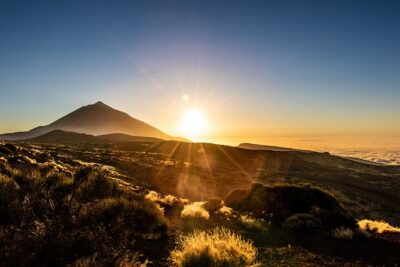
Stop 1: Teide National Park under the Milky Way or moonlight
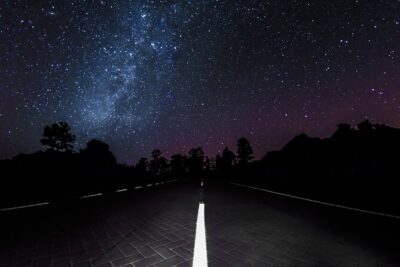
This first stop sets the tone. Teide National Park at night is the big stage for the sky. The experience is designed around two possible lighting modes: the Milky Way (when it’s visible) or moonlight guiding the path.
Here’s why that matters: Milky Way visibility changes everything. In darker conditions, star patterns feel sharper and the sky can look almost “busy.” Under moonlight, things shift toward a calmer brightness—less stark, but still great for learning constellations and using the moon as a guide to orientation.
At Teide National Park, the guide’s astronomy explanations help you move from random points of light to recognizable structures. You’ll get direction on what to look for, which constellations to try first, and how to connect star stories to what’s actually overhead.
Potential drawback: Teide National Park can mean you’ll want to be comfortable standing still in the dark. If you’re the type who hates waiting or dislikes the cold, you might feel the pauses more. But the stops are part of the tour’s value—this isn’t a “go-go-go” version of stargazing.
More nights out under the Teide sky
Stop 2: Los Roques de Garcia and another chance to learn the sky
After the first viewing moment, the tour heads to Los Roques de Garcia. This second stop is basically your second round at the stars—another viewpoint to check what the sky looks like from a slightly different setting, and another moment to keep learning.
This is where I think the tour’s structure shines. You get one main anchor stop, then you don’t just “leave and hope.” Instead, you return to the sky for continued explanation and contemplation. That’s how constellations start clicking: you see something, you learn it, then you get another look before you lose your bearings.
If moonlight is doing most of the work, the second stop can help you confirm what you thought you saw earlier. And if the Milky Way is visible, another stop can change how you perceive brightness and star patterns across the sky.
What to consider here: because it’s a nighttime walk, visibility along the path matters. The tour is guided with care, but you still want sturdy shoes and good attention while walking.
The astronomy guide effect: why the human part matters
This tour is led by an expert guide in astronomy. That’s not a throwaway phrase. In stargazing tours, the difference between okay and great is whether the guide can translate the night sky into something you can actually identify.
In the reviews, the guide Isaac is singled out as a standout host—someone people say helped them learn a lot about the stars. That lines up with what you want from this type of experience: clear, friendly instruction paired with enough time to practice looking.
When you have a guide like this, you don’t just hear a lecture and then point at a sky for two seconds. You get coaching on what to notice, when to focus, and which constellations are worth trying first. That’s how you leave feeling like the sky was understandable, not just beautiful.
Tip I’d follow: ask your guide to name what they want you to find, then watch how your view changes as they explain. You’ll get more out of the same stars.
Value for money: $28.40 for expertise and guided sky time
Let’s talk value, because $28.40 isn’t automatically “cheap,” and it’s not a lottery ticket either. It’s a fair price when you think about what’s included: an astronomy expert and a guided walking/stargazing experience lasting about 2.5 hours with built-in stops for explanation and contemplation.
The biggest cost-side factor is what’s not included: transport. If you’re already near the meeting point (or you can reach it easily), the price feels straightforward. If you’ll need taxis or a long bus trip, add that cost before you decide.
But even with that, you’re paying for structured access to night sky learning. If you tried to do this on your own, you’d spend time figuring out constellations, then likely rush your viewing without the right guidance. This tour hands you the learning path, plus the small-group pace.
Also: small group size (max 20) tends to matter in stargazing more than you’d think. When there are fewer people, the guide can check in on what individuals can see, which is crucial at night.
Who should book this Teide stars walk
You’ll probably love this if:
- You want an easy night walk with structured star learning
- You’d like help identifying constellations instead of guessing
- You prefer small groups and clear explanations
You might think twice if:
- Cold or stillness bugs you (standing to look up is part of the program)
- Your schedule is tight and you can’t handle a weather-dependent change
- You’re hoping for transport included (it isn’t)
This tour is a great match for couples, friends, and anyone traveling solo who wants a friendly guide-led experience without complicated logistics.
Practical tips to make the most of the night
Keep it simple, and you’ll get more joy out of the sky time:
- Wear comfortable, sturdy shoes for dark walking.
- Bring a warm layer even if the day felt mild.
- Use your phone only for booking/notes—then let your eyes adjust for stargazing.
- Arrive a little early so you’re not rushing when it’s time to look up.
- If you can’t see well, tell the guide. Good guides adjust the conversation to what’s visible.
The tour is designed for naked-eye viewing. That’s the whole point. The better you are at staying comfortable, the easier it is to relax and actually see.
Should you book it? My take
If your goal is to leave with a better understanding of the stars—and not just a few blurry photos—this is an easy yes. The combination of Teide National Park, a second stop at Los Roques de Garcia, and repeated guided contemplation makes the learning stick.
I’d book it especially if you value a guided astronomy explanation and a small group experience. It’s also a nice choice because the walk is described as very low difficulty, so it’s not only for expert hikers.
If your main priority is nightlife energy or a long sightseeing route, you may find it calmer than you expect. This is about looking up, not covering ground.
FAQ
What is the duration of the Teide walking stargazing tour?
It runs for approximately 2 hours 30 minutes.
What time does the tour start?
The start time is 7:30 pm.
Where does the tour meet and where does it end?
It starts at 38300 Paradores Cañadas del Teide, Santa Cruz de Tenerife, Spain, and ends back at the same meeting point.
Is transport included?
No. Transport is not included.
What language is the tour offered in?
The tour is offered in English.
How many people are in the group?
The maximum group size is 20 travelers.
Is the walking route difficult?
The route is described as very low difficulty and suitable for everyone.
What should I do if the weather is poor?
The experience requires good weather. If it’s canceled due to poor weather, you’ll be offered a different date or a full refund.
Can I cancel for a full refund?
Yes, you can cancel up to 24 hours in advance for a full refund.
Is the tour accessible for most travelers and are service animals allowed?
Most travelers can participate, and service animals are allowed.
More Tour Reviews in Tenerife
- Siam Park Entry Tickets
★ 4.5 · 15,710 reviews - Tenerife: Eco-Yacht Whale and Dolphin Watching and Swimming
★ 4.7 · 15,619 reviews - Los Cristianos Respectful No-Chase Whale and Dolphin Safari
★ 4.6 · 12,782 reviews - Tenerife: Loro Parque Entry Ticket
★ 4.8 · 12,411 reviews - Loro Parque and Siam Park Combined Admission Tickets
★ 4.7 · 7,307 reviews
More Stargazing on the Mountain
- Tenerife: Teide National Park Sunset & Stargazing Tour
★ 4.2 · 3,812 reviews - Tenerife: Sunset and Stargazing at Teide National Park
★ 4.7 · 2,826 reviews - Teide National Park Sunset & Stargazing with Dinner (Star Safari)
★ 5.0 · 2,601 reviews - Teide National Park: Sunset & Stargazing Safari with Dinner
★ 4.6 · 2,115 reviews - Teide by Night: Sunset & Stargazing with Telescopes Experience
★ 4.5 · 1,492 reviews
Teide, a Few More Ways Up
- Tenerife: Mount Teide Tour with Cable Car Ticket & Transfer
★ 4.3 · 5,094 reviews - Tenerife: Teide National Park Sunset & Stargazing Tour
★ 4.2 · 3,812 reviews - Tenerife: Sunset and Stargazing at Teide National Park
★ 4.7 · 2,826 reviews - Teide National Park Sunset & Stargazing with Dinner (Star Safari)
★ 5.0 · 2,601 reviews - Teide National Park: Sunset & Stargazing Safari with Dinner
★ 4.6 · 2,115 reviews
Just Added: Fresh Tenerife Reviews


Mount Teide & Cable Car, compared.
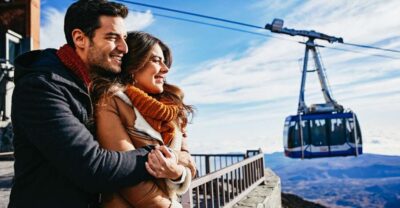 ★ 4.3Mount Teide Tour with Cable Car Ticket & TransferFrom $1025,094 reviews
 ★ 4.2Teide National Park Sunset & Stargazing TourFrom $473,812 reviews
 ★ 4.7Sunset and Stargazing at Teide National ParkFrom $472,826 reviews
 ★ 5.0Teide National Park Sunset & Stargazing with Dinner (Star Safari)From $952,601 reviews
 ★ 4.6Teide National Park: Sunset & Stargazing Safari with DinnerFrom $652,115 reviews
 ★ 4.5Mount Teide, Masca, Icod and Garachico Day TripFrom $652,065 reviews
 ★ 4.5Teide National Park Full-Day Tour with PickupFrom $661,613 reviews
 ★ 4.7Quad Adventure Tour in Teide National ParkFrom $941,492 reviews
Browse the lists this tour appears in