
Reviewed · MOUNT TEIDE & CABLE CAR
Tenerife: Sunset and Stargazing at Teide National Park
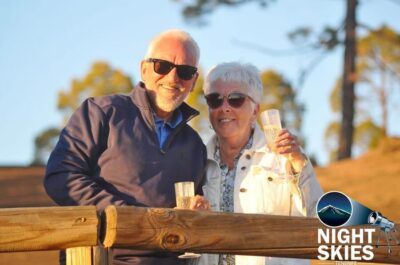
Sun sets in a place you can’t forget. This small-group Tenerife tour pairs an island-hopping sunset view with hands-on stargazing near Teide National Park, aiming you at real planets and galaxies through a 12-inch Dobsonian telescope. You also get to sip Cava while the sky turns from gold to ink.
What I like most is the mix of big-scale scenery and real astronomy teaching in the same evening. I also appreciate the practical touch: clear guidance on what to look for using laser pointers, then an individual astrophotography photo you take home after dark.
One consideration: it can get very cold at the viewpoints, and there are no toilets near the stargazing spots, so you’ll want to plan and pack accordingly.
In This Review
- Key highlights you should care about
- Why Teide Night Skies Beat a Typical Sunset Tour
- Getting Up There: The Sunset Drive and the 1,400m View
- La Gomera, La Palma, El Hierro: Watching the Sun Go Down Like a Show
- The Cava Toast While the Sky Transforms
- After Sunset: Laser Pointers, Polaris, and Andromeda
- The Telescope Stage: A 12-Inch Dobsonian on Saturn and More
- The Free Astrophotography Photo: What You Take Home
- VIP Pickup vs Self-Drive: Which Option Works Best
- VIP option (pickup/drop-off)
- Self-drive option (meet at Mirador de los Poleos)
- What to Bring for a Cold, Windy Teide Evening
- Weather Rules: When They Stay Put Instead of Going Higher
- Price and Value: Why $47 Can Make Sense Here
- Who Should Book This Tenerife Sunset and Stargazing Tour
- Should You Book This Teide Stargazing Evening
- FAQ
- How long is the Tenerife sunset and stargazing tour?
- Is the tour on Mount Teide itself?
- Do I get picked up from my hotel?
- Where do I meet for the self-drive option?
- What will I see in the night sky?
- Is there a photo included?
Key highlights you should care about
- Sunset views from 1,400m over La Gomera, La Palma, and El Hierro, often above the cloud sea
- Cava toast (or a non-alcoholic drink) while the sky changes color
- Laser-guided sky map so you can find Polaris and Andromeda for yourself
- 12-inch Dobsonian telescope for targets like Saturn’s rings and Jupiter’s moons when visible
- Free professional photo taken with astrophotography techniques
- Two viewpoints if conditions allow, with weather-driven flexibility
Other ways up the volcano, side by side
- Tenerife: Mount Teide Tour with Cable Car Ticket & Transfer★ 4.3 · 5,094 reviews
- Tenerife: Teide National Park Sunset & Stargazing Tour★ 4.2 · 3,812 reviews
- Tenerife: Sunset and Stargazing at Teide National Park★ 4.7 · 2,826 reviews
- Teide National Park Sunset & Stargazing with Dinner (Star Safari)★ 5.0 · 2,601 reviews
Why Teide Night Skies Beat a Typical Sunset Tour
Tenerife’s Teide area is famous for stargazing for a reason: it’s high, dry, and often clear. This tour leans into that. You don’t just show up after dark and point at the sky. You watch the sunset first, then the night unfolds in steps.
The other reason I’d pick this over a generic sightseeing evening is the structure. You get an introduction to the sky, then you get time at a real telescope. Guides such as Peter, Phil, Roland, and Daniele come up in the experience details, and the common thread is how they explain what you’re seeing in plain language.
Still, remember what you’re signing up for: an outdoor night experience near public viewpoints. That means cold air, wind potential, and you’ll be outside for a good chunk of the total 3–4 hours.
Getting Up There: The Sunset Drive and the 1,400m View
You start with a van ride, typically around 45 minutes, climbing toward a viewpoint at about 1,400 meters. The goal is altitude and separation from city light. That matters for what you’ll see later.
At the first stop, expect a mix of:
- a short photo stop
- time to watch the sunset
- scenic views along the drive
- a welcome drink
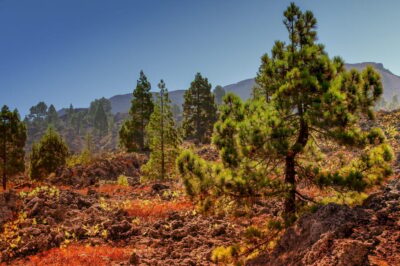
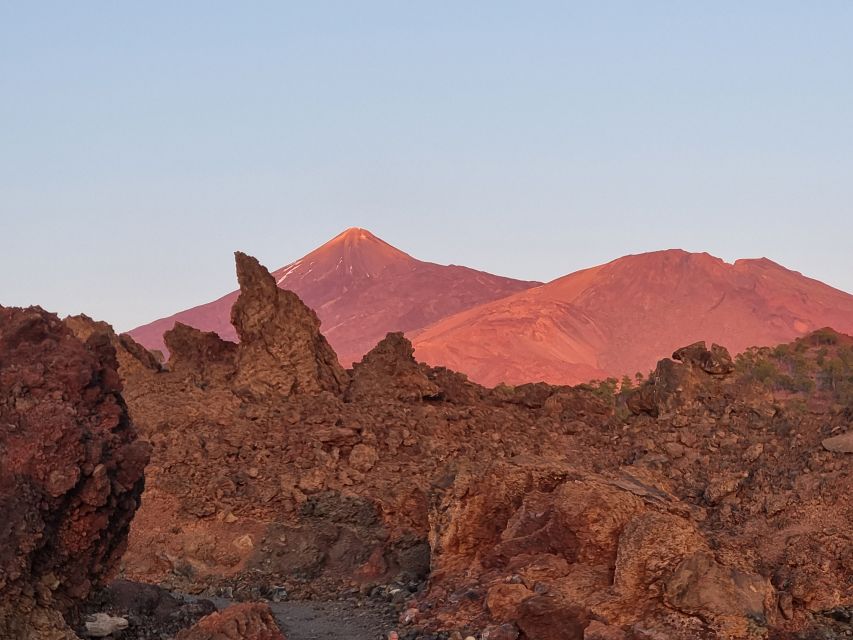
This first viewpoint sits next to a lava flow from a volcanic eruption tied to an old historical note in Cristopher Columbus’s ship’s log from 1492. It’s a weirdly cool connection: you’re staring up at modern constellations while the ground under your feet is shaped by a very old eruption.
If you’re prone to motion sickness or tight schedules, plan a little breathing room. The drive is part of the “arrival” experience, not just transport.
La Gomera, La Palma, El Hierro: Watching the Sun Go Down Like a Show
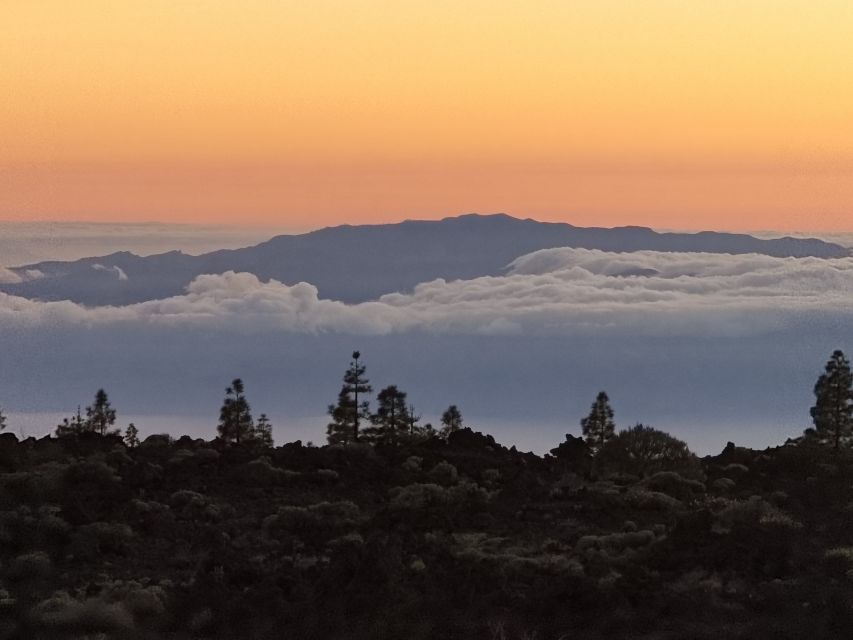
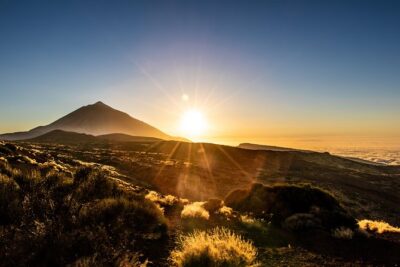
The sunset moment is built for wide horizons. From this viewpoint, you watch the sun drop over La Gomera, La Palma, and El Hierro. And every evening really does look different, because the air, cloud cover, and timing shift what you’ll see.
I like this setup because you’re not stuck staring at one direction. The sunset colors roll across the sky while Mount Teide often frames the background. When the “cloud sea” appears, it can look unreal: a soft blanket below you, with the volcano behind the show.
After the sun dips, the tour tries to move you again for darker sky viewing. If conditions let them, you transfer to another viewpoint. If not, you stay where you are. That weather-based decision is one reason the stargazing stays less frantic and more guided.
The Cava Toast While the Sky Transforms
This is one of those small details that actually changes the whole mood. At the sunset viewpoint, you get a glass of Cava, the Spanish sparkling wine, or a non-alcoholic alternative.
You’re basically timing your drink with the color shift: you sip while the last light is still useful for your bearings, then you look up as the night starts taking over. It’s a simple ritual, but it makes the transition from sunset to stars feel intentional rather than random.
If you’re the type who wants a reason to slow down on vacation, this part delivers.
More nights out under the Teide sky
After Sunset: Laser Pointers, Polaris, and Andromeda
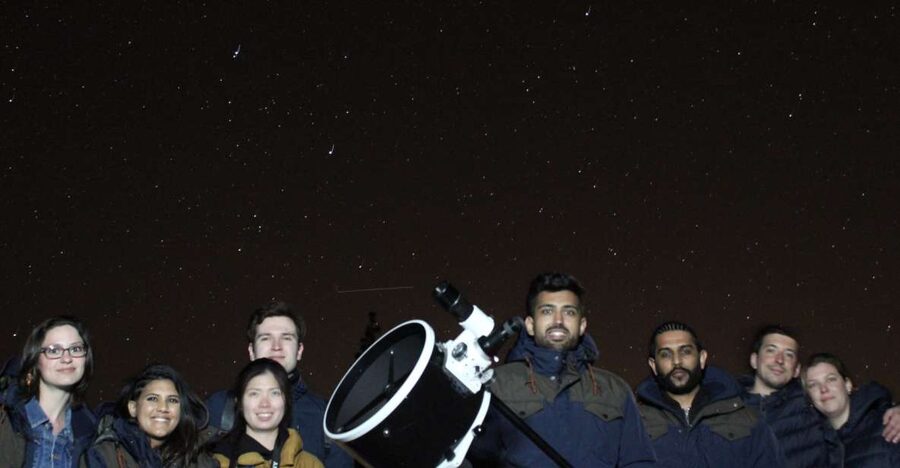
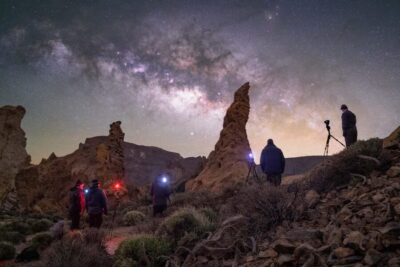
Once it’s dark enough, the guide work starts. The guides use laser pointers and storytelling to help you connect patterns in the sky to real objects.
A big advantage here is that the tour gives you specific “how to find it” anchors, not only facts. You’ll get instructions for:
- finding Polaris, the North Star, using the Ursa Major pattern
- finding the Andromeda galaxy using the Great Square of Pegasus
And yes, they wrap in Greek mythology, which helps you remember what you saw. It’s not just a lecture. You’re actively following along to locate targets.
Then you’ll spend time pointing out other objects based on time of year and sky conditions, such as:
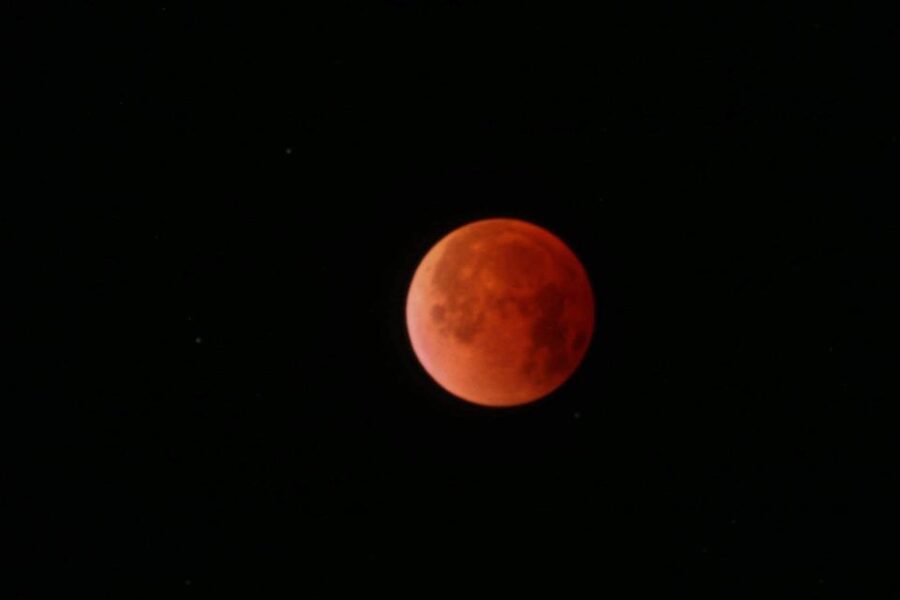
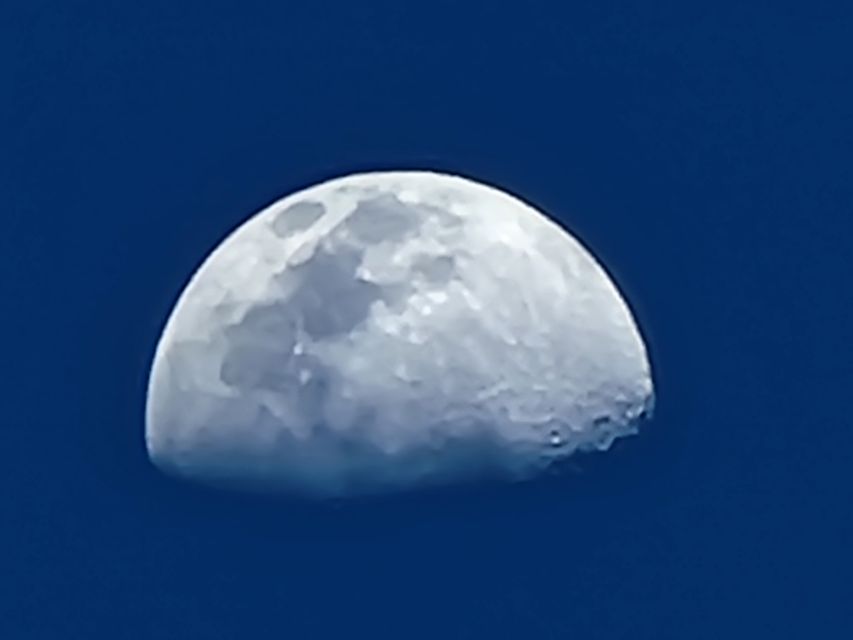
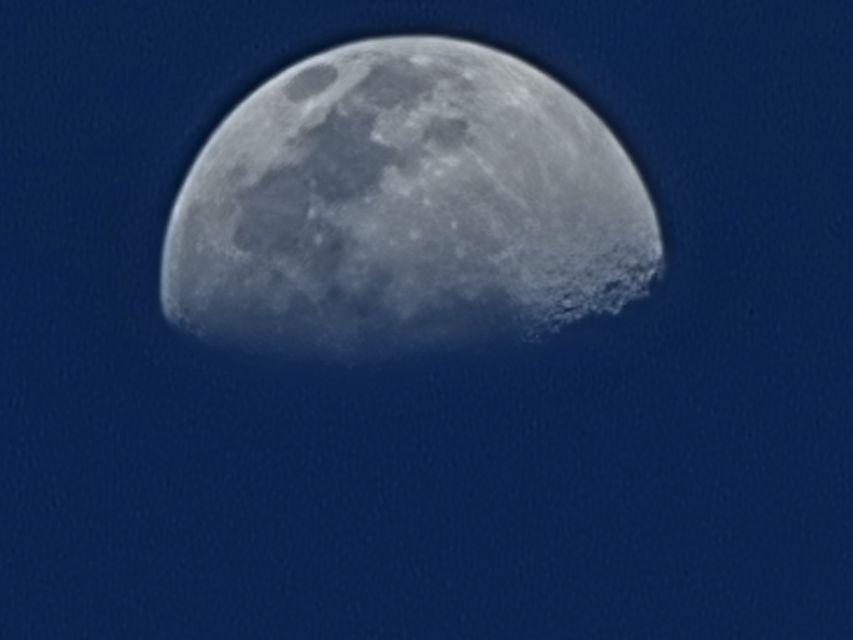
- the Moon (often the main target before and around full moon)
- planet features when they’re visible, like Saturn’s rings and Jupiter’s moons in certain seasons
- winter favorites like the Pleiades, also called the Seven Sisters
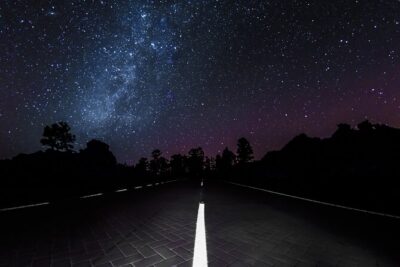
On clear nights, you might also catch the Milky Way. The tour can’t promise it, but the overall darkness and elevation make that a real possibility.
The Telescope Stage: A 12-Inch Dobsonian on Saturn and More
This is where the tour earns its value. You don’t just watch the sky. You view it.
The tour provides a 12-inch Dobsonian telescope and uses it for planets, galaxies, nebulae, and star clusters. The guide points first, then you look. It helps you avoid the common problem of “we waited and then the telescope moved away.”
If Saturn and Jupiter are visible during your season, expect the kind of details people talk about: Saturn’s rings and Jupiter’s moons. That’s not guaranteed every single night, but the tour is designed to adapt to what the sky is offering.
Deep-sky highlights you may see include nebulae and star clusters like the Pleiades (winter). The point isn’t only the object. It’s that you get to use a serious scope and learn how to find the next target without guessing.
The Free Astrophotography Photo: What You Take Home
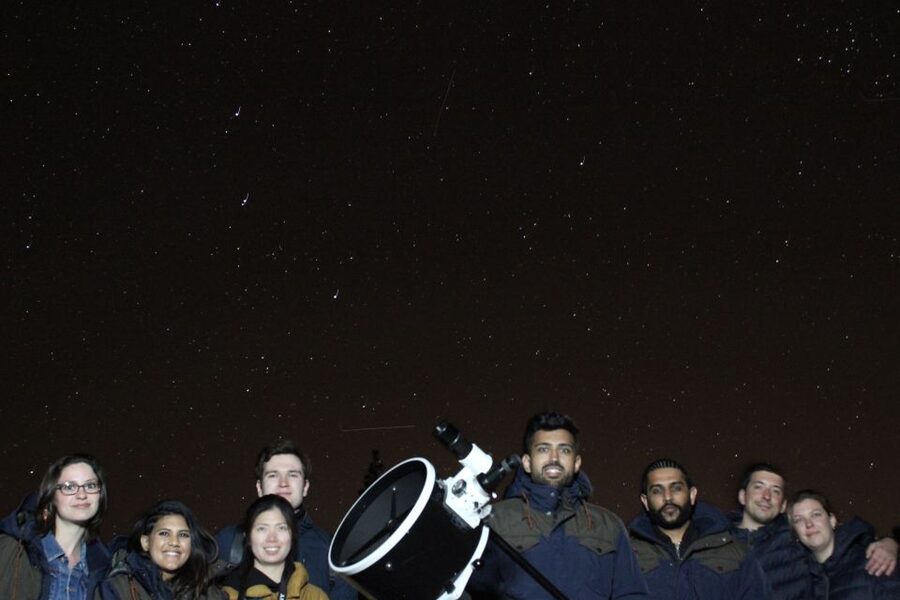
You’ll get an individual photo taken with astrophotography-style techniques. The idea is that you end up in the frame with a backdrop of stars, not just a quick snapshot.
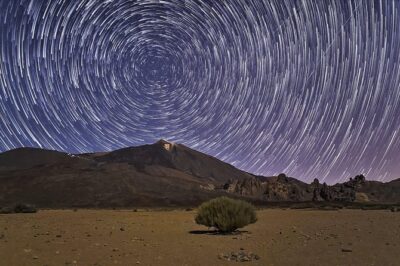
This is a smart “value add” because you’re doing something most people wish they could record better. With normal phone photos, the stars often look like dots. With proper technique, you get a more dramatic star field.
A blanket of stars is the vibe the tour aims for, and the photo is included, free of charge.
VIP Pickup vs Self-Drive: Which Option Works Best
The logistics are simple, but they matter.
VIP option (pickup/drop-off)
If you book VIP, pickup and drop-off are on the south coast of Tenerife, between El Médano and Los Gigantes (with some exceptions). It’s meant to be door-to-door convenience. Drop-off returns you to the same address.
This is ideal if:
- you don’t want to drive in the dark uphill areas
- you want a smoother start-to-finish evening
- you’re traveling with luggage or prefer not to fuss
Self-drive option (meet at Mirador de los Poleos)
If you drive yourself, you meet the group at Mirador de los Poleos (check the exact pin on Google Maps). After sunset, you follow the guides to the stargazing point using your own car.
Self-drive can be great if you’re comfortable driving and parking near viewpoints. One practical note from experience with this kind of setup: parking fills up earlier than you expect. If you arrive late, you’ll spend time hunting space instead of enjoying the sunset.
Either way, timing updates are sent the same day via WhatsApp. The time on your ticket or confirmation email is generic, and the exact timing can change by a couple of hours. This is not a detail you want to ignore.
What to Bring for a Cold, Windy Teide Evening
The tour gives warm jackets only on the VIP option. Even then, you should still plan for cold. Many evenings in winter conditions can feel colder than you think.
Bring:
- warm layers (long-sleeve + jacket)
- long pants
- comfortable shoes
- a warm hat or anything that covers ears and neck
- weather-appropriate outerwear
- long-sleeve shirt and sports shoes if that’s your usual travel style
Also plan for the reality that this is outdoor viewing. You’ll be outside at public viewpoints, and the tour notes there are no toilet facilities at or near the stargazing locations.
Not allowed:
- pets
- bikes
- baby carriages
And a heads-up for health: this isn’t suitable if you have altitude sickness.
Weather Rules: When They Stay Put Instead of Going Higher
Here’s how the tour handles the one thing that can ruin stargazing: bad air and bad timing.
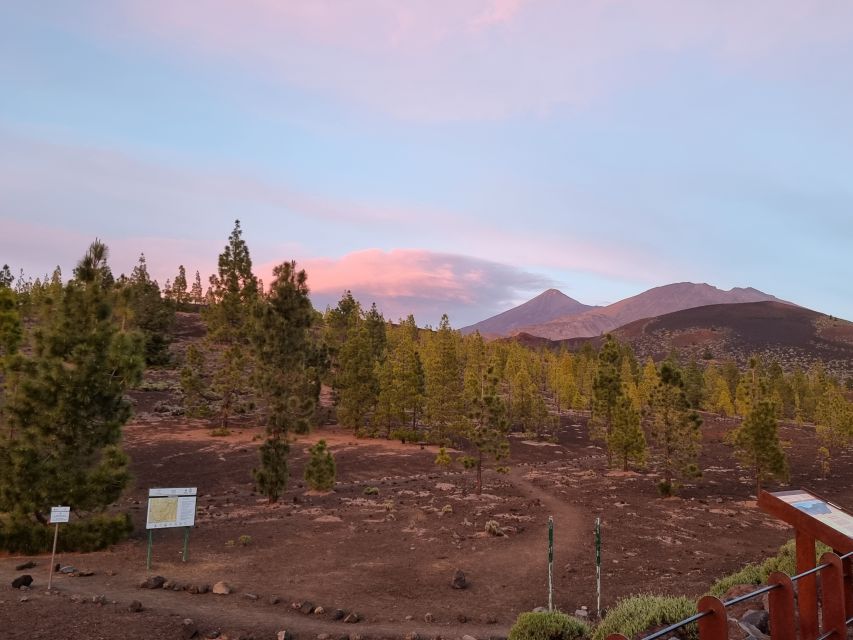
After sunset, they transfer to another viewpoint only if conditions allow. If guides judge weather as adverse (high wind, clouds, or low temperatures), they make the call to stay at the lower viewpoint. That viewpoint is still designed for dark-sky viewing.
I actually like this approach. It keeps the evening from turning into a stress-fest of “wait, drive, hope.” You still get stargazing, and you avoid wasting energy when the sky isn’t cooperating.
In cloudier conditions, what you’ll see can shift. But the guidance continues, and the focus stays on what you can spot through the telescope.
Price and Value: Why $47 Can Make Sense Here
At about $47 per person for a 3–4 hour experience, the value comes from what’s included, not the ticket line.
You’re paying for:
- small-group stargazing (not a huge crowd setup)
- a stargazing session with a starlight-certified guide
- laser-pointer pointing and sky orientation
- telescope time with a 12-inch Dobsonian
- a sunset viewpoint with a welcome drink (Cava or non-alcoholic)
- a free professional photo of you under stars
- cold-night support like warm jackets on the VIP option
What you’re not paying for (and shouldn’t expect):
- food
- toilets at the viewpoints
- cable car
- Teide Observatory access
- hiking up Mount Teide
So, if you want summit trekking, this isn’t that tour. But if you want the best kind of Tenerife evening: views first, then real astronomy with a real scope, and a photo that captures it, this pricing starts to feel fair.
Who Should Book This Tenerife Sunset and Stargazing Tour
Book it if you:
- want a dark-sky experience without climbing to Teide itself
- like learning in the field, using laser pointing and practical star-finding tips
- want a guided night with telescope time (not only looking up and hoping)
- appreciate small-group energy and friendly explanations from guides like Peter, Phil, Roland, and Daniele
Skip or reconsider if you:
- deal with altitude sickness
- hate cold weather and won’t pack for it
- need toilet access near the stargazing spot
Also, kids under 5 aren’t allowed on the VIP tour, though they can join the self-drive option. If you’re bringing family, check age fit with your chosen option.
Should You Book This Teide Stargazing Evening
If you’re trying to choose between a sunset drive and a stargazing activity, I’d pick this one. It stacks experiences in a way that makes sense: you get the visual drama of sunset over the islands, then the guide-led sky map and telescope viewing. The free astrophotography photo is icing that you’ll actually use later.
My call comes down to this: you’ll have a better night if you treat it like an outdoor evening, pack warm, and show up for the sunset timing. The cold is real, and the darkness is the point.
FAQ
How long is the Tenerife sunset and stargazing tour?
The total duration is about 3 to 4 hours, depending on the exact schedule and conditions.
Is the tour on Mount Teide itself?
No. The activity happens at public viewpoints where local authorities allow viewing. It is not on Mt. Teide, and it does not include cable car or Teide Observatory access.
Do I get picked up from my hotel?
Pickup is available if you choose the VIP option, but only along the south coast of Tenerife between El Médano and Los Gigantes (with some exceptions). If you choose self-drive, you meet the group at the meeting point and follow the guides after sunset.
Where do I meet for the self-drive option?
The self-drive meeting point is normally Mirador de los Poleos. You should check the exact location on Google Maps and arrive on time.
What will I see in the night sky?
What you see depends on the time of year and conditions. The Moon may be the main object near full moon, and planets like Saturn and Jupiter may be visible in certain seasons. You may also see targets like the Pleiades in winter.
Is there a photo included?
Yes. The tour includes an individual photo using astrophotography techniques, taken during the stargazing session.
More Tour Reviews in Tenerife
- Siam Park Entry Tickets
★ 4.5 · 15,710 reviews - Tenerife: Eco-Yacht Whale and Dolphin Watching and Swimming
★ 4.7 · 15,619 reviews - Los Cristianos Respectful No-Chase Whale and Dolphin Safari
★ 4.6 · 12,782 reviews - Tenerife: Loro Parque Entry Ticket
★ 4.8 · 12,411 reviews - Loro Parque and Siam Park Combined Admission Tickets
★ 4.7 · 7,307 reviews
More Stargazing on the Mountain
- Tenerife: Teide National Park Sunset & Stargazing Tour
★ 4.2 · 3,812 reviews - Teide National Park Sunset & Stargazing with Dinner (Star Safari)
★ 5.0 · 2,601 reviews - Teide National Park: Sunset & Stargazing Safari with Dinner
★ 4.6 · 2,115 reviews - Teide by Night: Sunset & Stargazing with Telescopes Experience
★ 4.5 · 1,492 reviews - Teide: Guided Sunset & Stargazing Tour by Night with Dinner
★ 4.7 · 1,339 reviews
Teide, a Few More Ways Up
- Tenerife: Mount Teide Tour with Cable Car Ticket & Transfer
★ 4.3 · 5,094 reviews - Tenerife: Teide National Park Sunset & Stargazing Tour
★ 4.2 · 3,812 reviews - Teide National Park Sunset & Stargazing with Dinner (Star Safari)
★ 5.0 · 2,601 reviews - Teide National Park: Sunset & Stargazing Safari with Dinner
★ 4.6 · 2,115 reviews - Tenerife: Mount Teide, Masca, Icod and Garachico Day Trip
★ 4.5 · 2,065 reviews
Just Added: Fresh Tenerife Reviews
Mount Teide & Cable Car, compared.
 ★ 4.3Mount Teide Tour with Cable Car Ticket & TransferFrom $1025,094 reviews
 ★ 4.2Teide National Park Sunset & Stargazing TourFrom $473,812 reviews
 ★ 5.0Teide National Park Sunset & Stargazing with Dinner (Star Safari)From $952,601 reviews
 ★ 4.6Teide National Park: Sunset & Stargazing Safari with DinnerFrom $652,115 reviews
 ★ 4.5Mount Teide, Masca, Icod and Garachico Day TripFrom $652,065 reviews
 ★ 4.5Teide National Park Full-Day Tour with PickupFrom $661,613 reviews
 ★ 4.7Quad Adventure Tour in Teide National ParkFrom $941,492 reviews
 ★ 4.5Teide by Night: Sunset & Stargazing with Telescopes ExperienceFrom $1071,492 reviews
Browse the lists this tour appears in