
Reviewed · SCUBA DIVING
SSI Advanced Course in Tenerife
Five underwater sessions can change your skills fast.
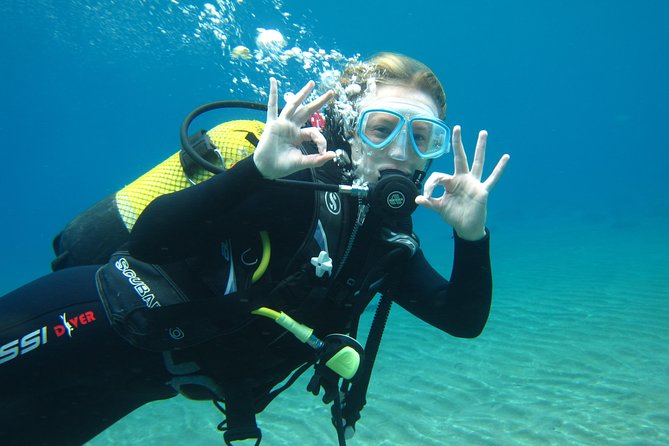
This SSI Advanced Open Water Diver Course in Tenerife is built for real improvement: you do five specialty-based underwater sessions, and each one counts as a credit toward that speciality track. I like the freedom to choose what you practice from 15 styles (night, deep underwater, navigation, wreck-focused options, and more). One thing to plan for: Tenerife requires mandatory diving insurance and you’ll complete a health questionnaire, so some medical issues could stop you from going in the water.
What really stands out to me is the human side of it. The crew led by Roberta & Andrea, with support from Adam, is described as patient, skilled, and enthusiastic—and that matters when you’re working on control, awareness, and confidence. With a max group size of 8 people, you’re less like a seat in a lineup and more like a diver being coached.
In This Review
- Key takeaways before you commit
- SSI Advanced in Tenerife: what you’re really buying
- Sand Club, 8:00 am, and why the small group matters
- Choosing your five specialty credits (15 options, and you control the mix)
- Night option: confidence when visibility drops
- Deep underwater option: control, planning, and good habits
- Navigation option: less drift, more intention
- Wreck-focused option: planning matters when lines and spaces change
- Your fifth specialty choice: match it to your weakest link
- What happens during the three days: how the training builds from skill to confidence
- Equipment, snacks, and the light-pack advantage
- Price and value: $616.69 and what makes it feel fair
- Safety, insurance, and the health questionnaire: the boring parts that protect you
- Who should book this course in Tenerife
- Should you book? My call
- FAQ
- How long is the SSI Advanced course in Tenerife?
- How many underwater sessions are included?
- Can I choose which specialities I do?
- Is scuba equipment included?
- What time and where do I meet?
- Is diving insurance required in Tenerife?
- Do I need to complete any health paperwork?
- Are souvenir photos included?
- Is there a limit on the group size?
Key takeaways before you commit
- Five specialty underwater sessions included, each usable as a speciality course credit
- You choose from 15 types of adventure underwater sessions, including night, deep underwater, navigation, and wreck-focused options
- Gear and course learning materials are included, so you can pack lighter
- Small groups (max 8) mean you get more attention in the water
- A PADI instructor accompanies you for the underwater sessions for extra safety and guidance
- Insurance and health screening are mandatory, so check those items early
More dives along the Tenerife coast
- Southern Tenerife: 50-Minute Submarine Dive★ 4.8 · 2,216 reviews
- Tenerife: Your First Scuba Diving Experience in Turtle Area★ 4.7 · 1,679 reviews
- Tenerife: Beginner’s Dive at a Spot with Turtle Sightings★ 4.7 · 627 reviews
- Tenerife First Time Scuba Dive – Turtle Habitat, Small Groups★ 4.5 · 456 reviews
SSI Advanced in Tenerife: what you’re really buying
An SSI Advanced Open Water Diver Course sounds like just another certification on paper. But in practice, what you’re paying for is structured reps: guided practice that pushes you past the basics, then backs it up with planning, coaching, and real underwater problem-solving.
In Tenerife, you get that format with a “pick-your-focus” style. Across the three-day schedule, you’ll complete five specialty sessions, and you can select which specialities you want from a menu of 15. That’s a big deal because the advanced level isn’t one-size-fits-all. Some divers want navigation and awareness. Some want night or wreck-focused work. Others want more comfort with depth and controlled descent and ascent.
Value-wise, the bundle covers more than “time in the water.” You get the course learning materials included, snacks during the experience, and the use of scuba equipment. So your main costs are the course itself, plus any items like souvenir photos.
Sand Club, 8:00 am, and why the small group matters
The meeting point is Sand Club, 38639 Oasis del Sur, Santa Cruz de Tenerife, starting at 8:00 am. It ends back at the same place, which keeps your day from turning into a travel scavenger hunt.
Two practical advantages jump out from the setup. First, it’s near public transportation, so you’re not forced into a car-first plan. Second, the maximum group size is 8, which typically translates to less waiting around, more time listening, and fewer “one-size briefing” moments. In skills training, that difference is real.
Also, you’ll receive confirmation at booking, and you’ll use a mobile ticket. That means less paperwork and less risk of forgetting something at home—always a plus when your morning starts early.
Choosing your five specialty credits (15 options, and you control the mix)
Your course is built around five underwater sessions from five specialities. Each one is a valid credit toward that speciality course, so you’re not just getting experience—you’re stacking credentials in a useful way.
The list of speciality options includes choices like:
- night option
- deep underwater option
- navigation option
- wreck-focused option
- other adventure-style specialities (the program notes more categories beyond those examples)
Here’s how to think about choosing your five. Don’t pick what sounds exciting only because it’s different. Pick what helps your next dives.
Night option: confidence when visibility drops
Night underwater sessions are all about staying calm when things look unfamiliar. You’ll likely focus on buoyancy control, awareness, and keeping your movement efficient. If you get anxious in low visibility, this is the place to build muscle memory under guidance—rather than trying to “figure it out” on a casual holiday dive.
A consideration: night feels slower and darker, so pace and comfort matter. If you’re the type who gets uneasy when you can’t read your surroundings, you may feel more benefit doing night earlier rather than postponing it for the end.
More dives along the Tenerife coast
Deep underwater option: control, planning, and good habits
The deep underwater option (within the limits of your training) typically pushes you to be more precise. That often means practicing controlled descent/ascent and maintaining steady buoyancy while your awareness stays switched on.
The practical advantage is that it can make you more comfortable later when you encounter depth on real trips. The possible drawback is that depth training requires you to follow instructions closely and stay focused—no multitasking, no “I’ll just wing it.”
Navigation option: less drift, more intention
Navigation underwater sessions are one of the most useful advanced skills. If you’ve ever surfaced wondering where you actually went, navigation credits are the direct fix. This option tends to teach you to use references and bearings so you can move with intention rather than hoping you’ll find the route again.
Consideration: navigation can feel technical at first. It’s normal to need a couple tries. The payoff is that you’ll start thinking in directions and reference points instead of just following the group.
Wreck-focused option: planning matters when lines and spaces change
Wreck-focused underwater sessions appeal to divers who like structure, history, and physical features. The training value here is likely in how you approach confined-feeling areas, how you manage your position relative to the wreck, and how you keep your air and movement organized.
Possible drawback: even when it’s handled safely, a wreck can feel “busy” visually. If you’re easily distracted, you’ll want to focus on slow, controlled decision-making and not overreach.
Your fifth specialty choice: match it to your weakest link
You’ll choose a total of five specialities from the options available. The fifth one could easily be the one that makes or breaks your confidence—especially if it targets your personal weak spot.
My rule: don’t choose all “high wow-factor” options. Mix at least one that builds comfort and control (like navigation, deep underwater, or another skills-heavy speciality), plus one that gives you a memorable new experience (like night or wreck-focused work).
What happens during the three days: how the training builds from skill to confidence
The program is simple on paper: five specialty sessions completed over about three days. The real substance comes from the coaching style and the way each speciality reinforces the others.
A typical advanced course rhythm goes like this:
- briefings before you enter the water
- in-water practice tied to your speciality goals
- feedback on control, awareness, and technique
- repetition until the skill clicks
Even without assuming a rigid script for every moment, the course structure is clearly designed for progression. You’re doing specialities back-to-back, which means your buoyancy baseline and situational awareness keep getting tested and improved.
The biggest reason this matters is confidence. Advanced diving isn’t about going bigger or harder; it’s about becoming steadier when conditions change. You’ll likely feel more prepared not just to perform a speciality skill, but to stay calm while you do it.
Equipment, snacks, and the light-pack advantage
A big quality-of-life perk: you can pack light because scuba equipment is provided. That reduces the hassle of hauling gear through travel, and it also cuts down on the chance of showing up with the wrong fit or missing something.
Snacks are included, which sounds minor until you’re dealing with an 8:00 am start. You want energy in your system before you focus hard on breathing, buoyancy, and listening for instructions.
Learning materials are included as well, which makes it easier to prepare and connect the practical training to the concepts behind it. If you like reviewing notes before you go in, you’ll appreciate having the material included.
Souvenir photos aren’t included, but they’re available for purchase. That’s a straightforward trade: you can opt in if you want the visual proof of the memories.
Price and value: $616.69 and what makes it feel fair
At $616.69 per person, this isn’t a budget activity. But the price starts to make sense when you look at what’s included.
You’re paying for:
- the SSI Advanced Open Water Diver Course structure
- learning materials
- use of scuba equipment
- snacks
- and five specialty-based underwater sessions
- coaching and accompaniment by a PADI instructor during the in-water time
For divers, “five sessions with instruction and equipment” is the key value driver. A lot of cheaper options either don’t include equipment, don’t include structured training, or don’t give you speciality credits that you can build on later. Here, the credits are explicitly part of the deal.
The small-group cap of 8 also supports the price. It’s not just about cost; it’s about whether you actually get guidance when you need it.
If you’re already an Open Water diver and you’re considering Advanced anyway, this feels like a practical way to knock out multiple speciality interests in one Tenerife trip instead of scattering them across different holidays.
Safety, insurance, and the health questionnaire: the boring parts that protect you
This is where you should be organized. Tenerife requires diving insurance. If your travel insurance doesn’t cover it, you can arrange a daily policy for 7 euros or a weekly policy for 15 euros through DiveAssure.
You’ll also complete a health questionnaire prior to diving. Some preexisting medical conditions—examples given include asthma and heart conditions—may prevent you from diving, so it’s smart to talk to your doctor if you have any concerns.
Timing matters too. The program notes that diving within 24 hours of flying is not recommended. That isn’t about fear; it’s about giving your body time to stabilize after travel.
And don’t overlook the basics: you’ll need a current valid passport on the day of travel.
One more practical note: the experience says you should have moderate physical fitness. Scuba is often manageable for many people, but you’ll still be doing movement around entry/exit and staying alert underwater for training.
Who should book this course in Tenerife
This course is a strong match if:
- you’re Open Water certified and want structured advancement
- you want to choose specialities that match your interests (night, navigation, wreck-focused, deep underwater options, and more)
- you value instruction from a crew that’s described as patient and enthusiastic
- you’d rather keep the group small and get more attention
It’s also a good choice if you’re the type who likes stacking learning and credentials together. Getting five speciality credits in one package is efficient.
If you’re brand new to scuba, this won’t be the right level. And if you know you may struggle with insurance paperwork, health forms, or travel timing after flights, you’ll want to plan ahead so the start of your trip doesn’t get stressful.
Should you book? My call
If you’re an Open Water diver thinking about Advanced, I’d book this SSI Advanced Open Water Diver Course in Tenerife for one main reason: you get five specialty-credit sessions with equipment and learning materials handled, plus the kind of coaching environment that matters for confidence.
I’d only hesitate if you’re not ready to handle the required insurance and health questionnaire, or if your schedule forces you to dive soon after flying. Fix those issues, and this course looks like a very solid way to turn a holiday into real skill gains—while still leaving room for options that feel fun, like night and wreck-focused sessions.
FAQ
How long is the SSI Advanced course in Tenerife?
It runs for 3 days (approx.).
How many underwater sessions are included?
You get five specialty-based underwater sessions included.
Can I choose which specialities I do?
Yes. The course notes that you can choose your specialty sessions from 15 types of adventure options, including examples like night, deep underwater, navigation, and wreck-focused options.
Is scuba equipment included?
Yes. The use of scuba equipment is included.
What time and where do I meet?
The start time is 8:00 am at Sand Club, 38639 Oasis del Sur, Santa Cruz de Tenerife, Spain.
Is diving insurance required in Tenerife?
Yes. Diving insurance is mandatory. If your travel insurance doesn’t include it, you can arrange one through DiveAssure for 7 euros per day or 15 euros per week.
Do I need to complete any health paperwork?
Yes. You must complete a health questionnaire prior to diving, and some medical conditions may prevent you from diving.
Are souvenir photos included?
No. Souvenir photos are not included, though you can purchase them.
Is there a limit on the group size?
Yes. There is a maximum of 8 travelers per booking.
More Dives Off Tenerife
- Southern Tenerife: 50-Minute Submarine Dive
★ 4.8 · 2,216 reviews - Tenerife: Your First Scuba Diving Experience in Turtle Area
★ 4.7 · 1,679 reviews - Tenerife: Beginner’s Dive at a Spot with Turtle Sightings
★ 4.7 · 627 reviews - Tenerife First Time Scuba Dive – Turtle Habitat, Small Groups
★ 4.5 · 456 reviews - Tenerife: Beginner Scuba Dive Experience
★ 4.8 · 238 reviews
More Tour Reviews in Tenerife
- Siam Park Entry Tickets
★ 4.5 · 15,710 reviews - Tenerife: Eco-Yacht Whale and Dolphin Watching and Swimming
★ 4.7 · 15,619 reviews - Los Cristianos Respectful No-Chase Whale and Dolphin Safari
★ 4.6 · 12,782 reviews - Tenerife: Loro Parque Entry Ticket
★ 4.8 · 12,411 reviews - Loro Parque and Siam Park Combined Admission Tickets
★ 4.7 · 7,307 reviews
More Dives Off Tenerife
- Southern Tenerife: 50-Minute Submarine Dive
★ 4.8 · 2,216 reviews - Tenerife: Your First Scuba Diving Experience in Turtle Area
★ 4.7 · 1,679 reviews - Tenerife: Beginner’s Dive at a Spot with Turtle Sightings
★ 4.7 · 627 reviews - Tenerife First Time Scuba Dive – Turtle Habitat, Small Groups
★ 4.5 · 456 reviews - Tenerife: Beginner Scuba Dive Experience
★ 4.8 · 238 reviews
Just Added: Fresh Tenerife Reviews


Scuba Diving, compared.
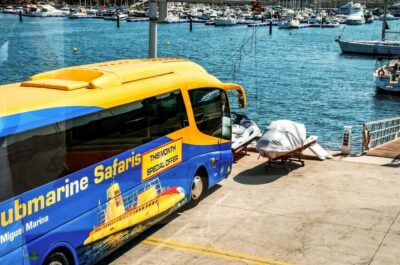 ★ 4.8Southern Tenerife: 50-Minute Submarine DiveFrom $722,216 reviews
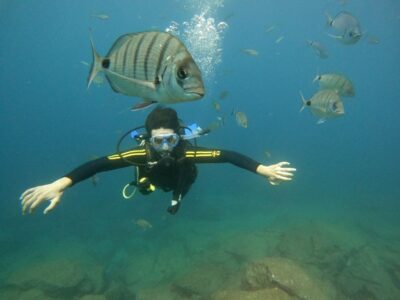 ★ 4.7Your First Scuba Diving Experience in Turtle AreaFrom $841,679 reviews
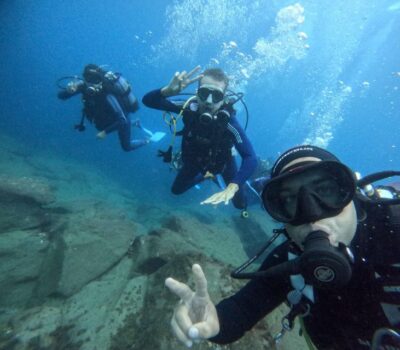 ★ 4.7Beginner’s Dive at a Spot with Turtle SightingsFrom $82627 reviews
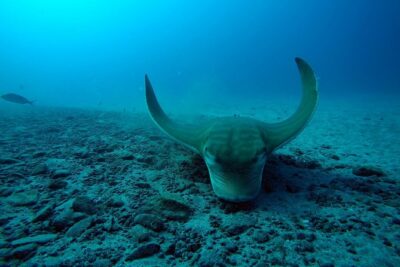 ★ 4.5Tenerife First Time Scuba Dive – Turtle Habitat, Small GroupsFrom $90456 reviews
 ★ 4.8Beginner Scuba Dive ExperienceFrom $83238 reviews
 ★ 5.0Try Dive – PADI Discover Scuba Diving in TenerifeFrom $156214 reviews
 ★ 5.0RECREATIONAL DIVE (certified divers only) : Explore Canarian SealifeFrom $114174 reviews
 ★ 4.7Abades Beach Beginner Diving ExperienceFrom $100164 reviews
Browse the lists this tour appears in