
Reviewed · SNORKELING WITH TURTLES
Try diving for the first time in turtle area
Tenerife turtles, no experience needed. This first-time try scuba session takes you to the turtle area off the island’s shore, where you’ll learn the basics with CMAS-style instruction and then spend your first time underwater looking at real marine life instead of a video screen. I like that the coaching feels personal and patient, and that the goal is simple: help you feel safe while you spot turtles, fish, starfish, reefs, and even reclusive octopus.
One thing to think about: there’s a real safety/health filter. If you have issues with lungs, heart, or ears, or if you’re in certain categories (like recent surgery, epilepsy, or pregnancy), this isn’t a good fit. Also, plan around the no flying for 12 hours rule after your session.
In This Review
- Key things that make this try scuba special
- First-time try scuba in Tenerife’s turtle area: what you’re really buying
- Café Magilu meeting point: your quick warm-up before gear and water
- On land skills: why the dry exercises make your water time easier
- Getting comfortable with your kit: neoprene, fins, and the small things that matter
- Descending at a relaxed pace: how the first underwater minutes are structured
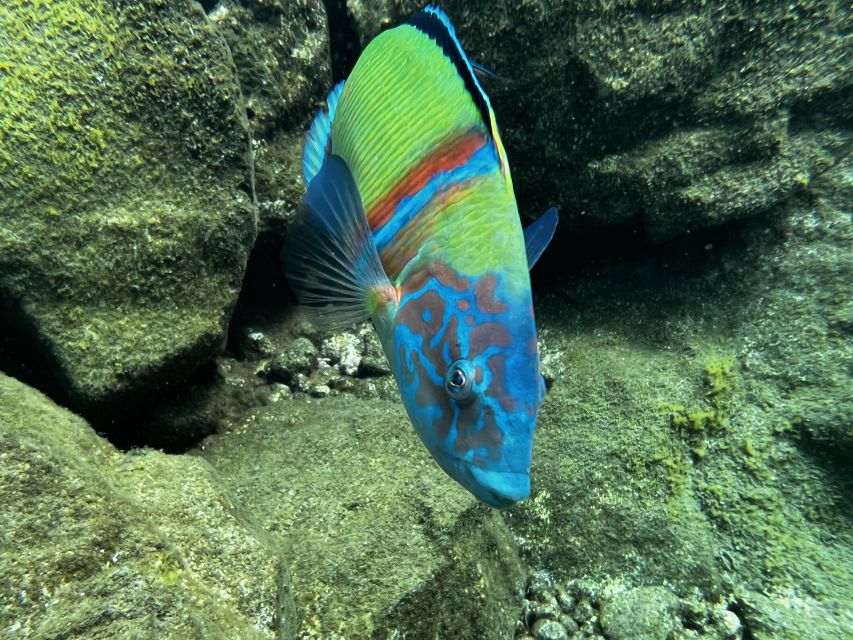
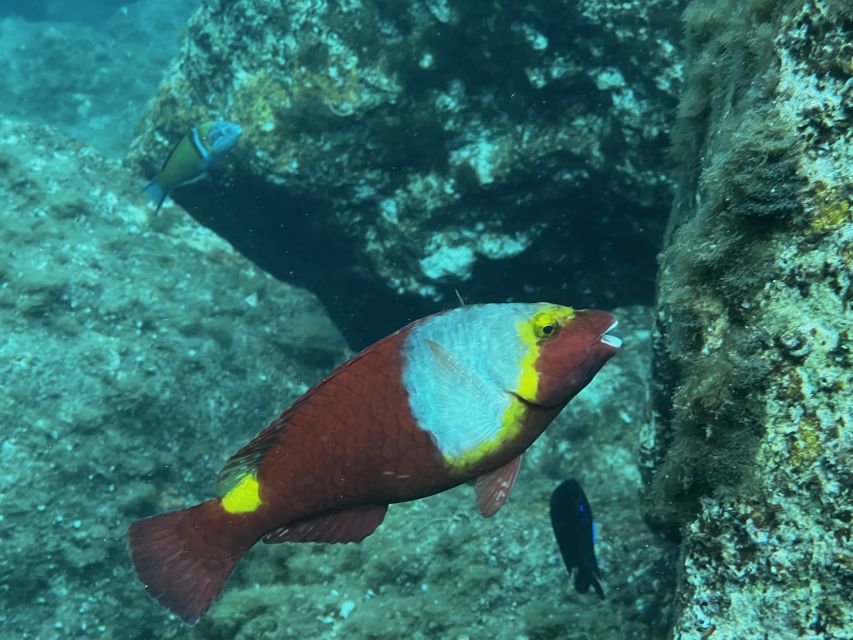
- What you’ll see: turtles, starfish, reefs, octopus, and the fish schools
- Photos and videos: the real memento after your first scuba session
- Safety and restrictions: the rules that keep it calm
- Who should book this try scuba, and who should skip it
- Should you book this turtle-area first-timer session?
- FAQ
- How long is the try scuba experience in Tenerife?
- Is this a private group or shared with other people?
- What’s included in the $100 per person price?
- What do I need to bring with me?
- Do I need to know how to swim?
- Can I wear glasses or contact lenses underwater?
- When can I fly after the experience?
Key things that make this try scuba special
- Private group only: you and your group, not mixed with strangers.
- CMAS-led, first-timer focused: dry practice on land first, then calm skills in the water.
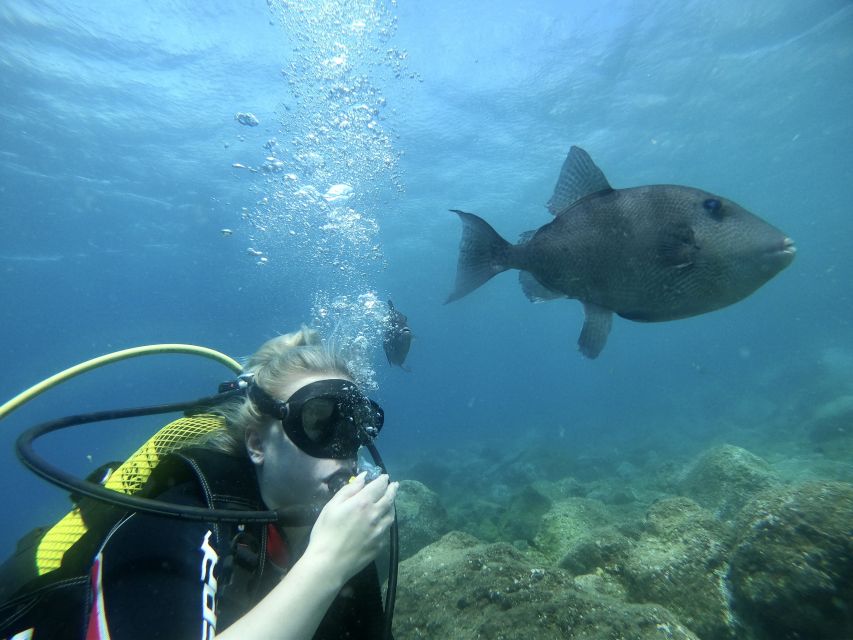
- Turtle area wildlife time: you’re there to see turtles and lots of colorful fish plus starfish and reefs.
- Videos and photos included: you get underwater photos as a memento.
- Location can shift for safety: where you go can change with wind and water conditions.
More dives along the Tenerife coast
- Southern Tenerife: 50-Minute Submarine Dive★ 4.8 · 2,216 reviews
- Tenerife: Your First Scuba Diving Experience in Turtle Area★ 4.7 · 1,679 reviews
- Tenerife: Beginner’s Dive at a Spot with Turtle Sightings★ 4.7 · 627 reviews
- Tenerife First Time Scuba Dive – Turtle Habitat, Small Groups★ 4.5 · 456 reviews
First-time try scuba in Tenerife’s turtle area: what you’re really buying
This isn’t a “throw you in and hope for the best” kind of experience. The whole structure is built for beginners: you start on the sand with dry exercises, then you move into the water step by step, at a relaxed pace. You should expect to learn how to control your breathing and body position while staying comfortable, not to rush through a checklist.
What makes the turtle area part matter for you is simple. You’re not trying to reach some far-off spot or chase a hard itinerary. You’re going to an area where the marine life experience is the point, and the operators are set up to get you into the water with the right level of coaching so you can actually enjoy what you’re seeing.
Price-wise, $100 per person can feel like a “sport tax” until you look at what’s included. You’re getting the full setup (equipment, neoprene, fins), the instructor and course, underwater photos, and even underwater activity insurance. You’re also paying for someone’s time and expertise—CMAS-style instruction—plus the work of capturing videos and photos for you afterward. For a first attempt, that combination is often better value than piecemeal costs.
One more practical note: the exact place you swim depends on wind and water, and that’s not a downgrade. It’s a safety strategy, and it usually means you’ll spend more time where conditions are calm enough for learning.
Café Magilu meeting point: your quick warm-up before gear and water
You meet at Café magilu. It’s an easy starting point because you’re at the beach with coffee and an outdoor playground nearby. That matters if you’re coming with family or friends—someone can wait comfortably while you get checked in and geared up.
From there, the flow is straightforward. Expect a short pre-session setup followed by land training. This is one reason the experience feels easier than you’d think: you don’t go straight from parking to open-water stress. You get the basics explained on shore first, and it sets the tone.
If you’re the type who likes knowing what happens next, you’ll appreciate the private-group format. You’re not sharing attention with other first-timers. That usually leads to smoother coaching and faster feedback, especially if you’re nervous.
On land skills: why the dry exercises make your water time easier
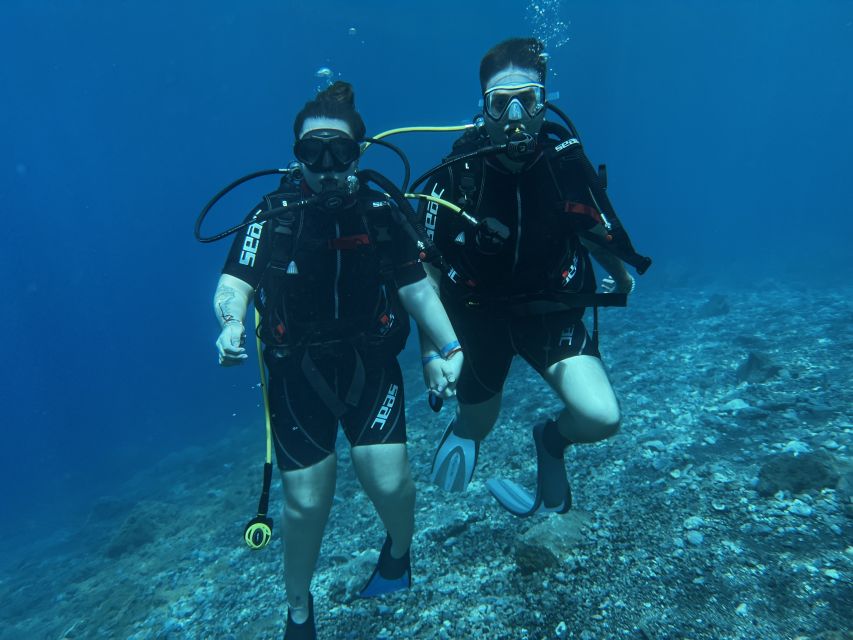
The session starts with important dry exercises right at the beach. This is where you learn key scuba movements without the pressure of being in the water. The goal is to build muscle memory for a couple of basics so the underwater part is about comfort and exploration, not frantic problem-solving.
Here’s what I’d look for if you’re evaluating whether this is for you:
- You’ll get coached on the movements you’ll need later.
- Your instructor will help you get comfortable before you descend.
- You’ll get guidance while you practice together, rather than being left to figure it out alone.
The instruction is also available in English, German, and Spanish, which is a big deal when you’re doing something that depends on calm breathing and clear cues. Based on the experience feedback, the instructors (often Natalie and Andres) are praised for being simple, clear, and patient—exactly what you want when your brain is busy learning a new skill.
If you wear corrective lenses, read this part carefully: glasses must be removed for all underwater activities. Contact lenses are recommended, but they can be lost, so treat that as a real risk, not a minor detail.
Getting comfortable with your kit: neoprene, fins, and the small things that matter
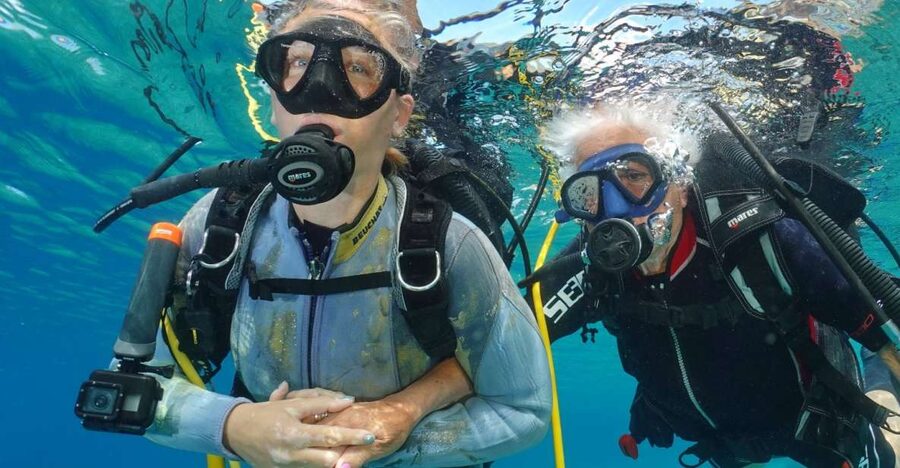
Included gear is a big piece of the value here. You’ll get diving equipment, neoprene, and fins. That means you don’t have to source rentals or figure out sizing the day of. For a first-time scuba try, that reduces a lot of friction.
What you should bring yourself is equally important:
- Swimwear
- A towel
- Flip-flops
The operators don’t list bath clothes and towels as included, so plan for that. Also, keep in mind you’ll be working with neoprene, so give your body time to get used to it. If you’re cold easily, you’ll want to think about how quickly you’ll be going from beach wind to water.
One more gear reality check: if you’re not used to breathing through a regulator, your first minutes can feel strange even when you’re safe. That’s normal. A good instructor will help you settle in and get your breathing steady before focusing on anything else.
Other spots where the turtles gather
Descending at a relaxed pace: how the first underwater minutes are structured
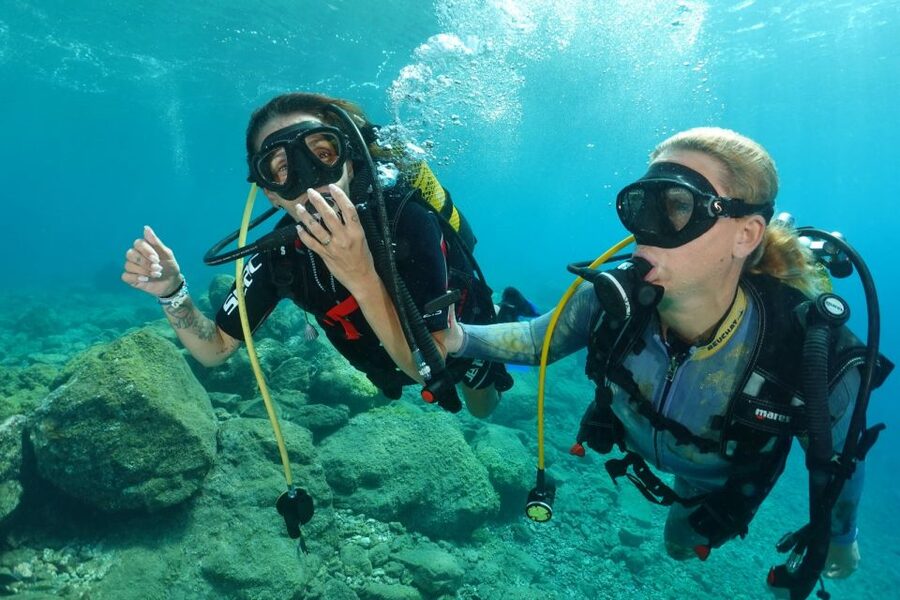
Once you’re done with dry practice, you head into the water and get comfortable with the key scuba movements. Then you descend together at a relaxed pace. That “together” part matters. You’re not separated from your instructor or left behind while you figure out your buoyancy and breathing on your own.
After you get your bearings, the focus shifts. This is when you start discovering the underwater world—looking around, moving calmly, and noticing wildlife instead of just managing equipment.
Also, the learning-to-exploration rhythm is a smart design for beginners. If you rush too early, beginners often spend their mental energy on fear or technique. Here, your first underwater segment is set up so you learn basics first, then get time to look for turtles and colorful fish.
And yes: you’ll be taking videos and photos during the experience. That’s not just for marketing. It’s also why the pacing feels controlled—there’s a clear plan for when you’ll be underwater and when you’ll be turning your attention outward.
What you’ll see: turtles, starfish, reefs, octopus, and the fish schools
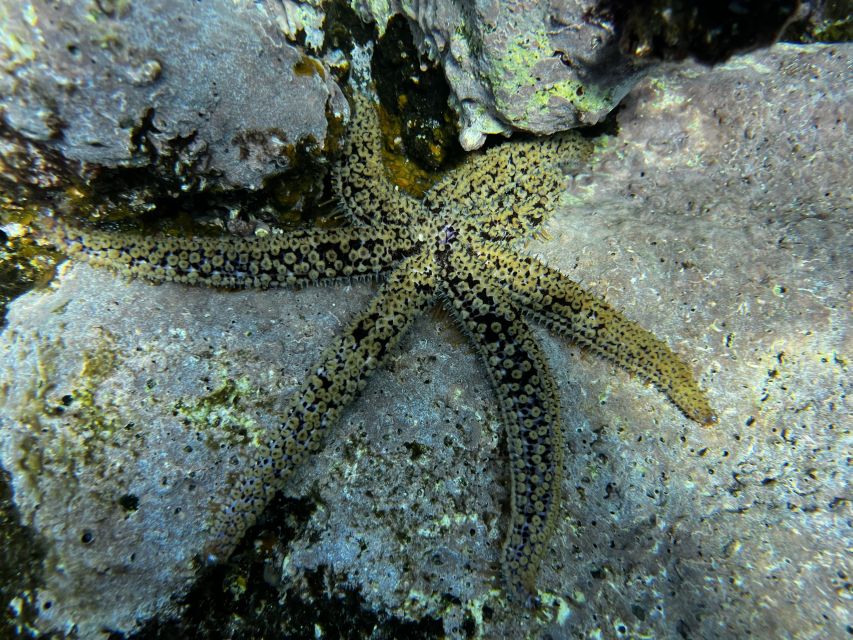
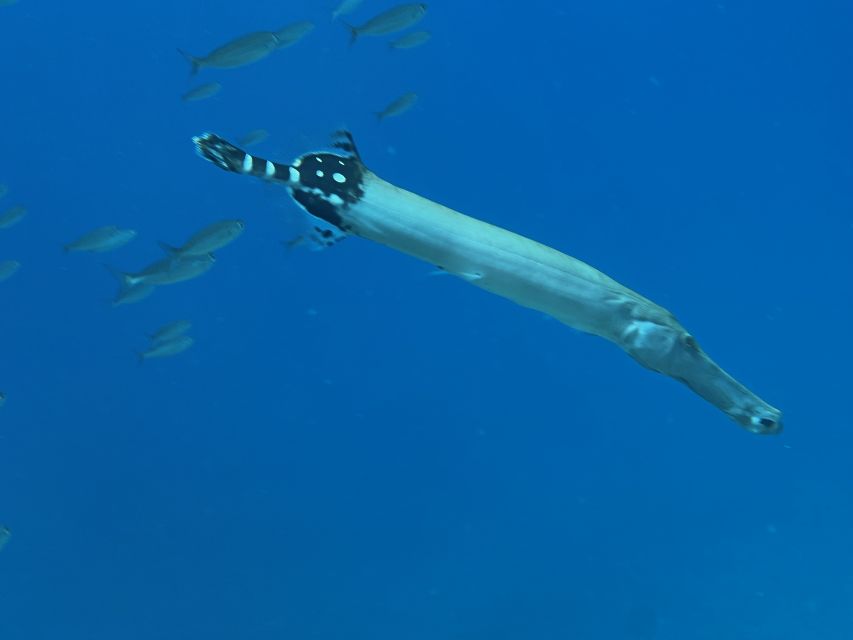
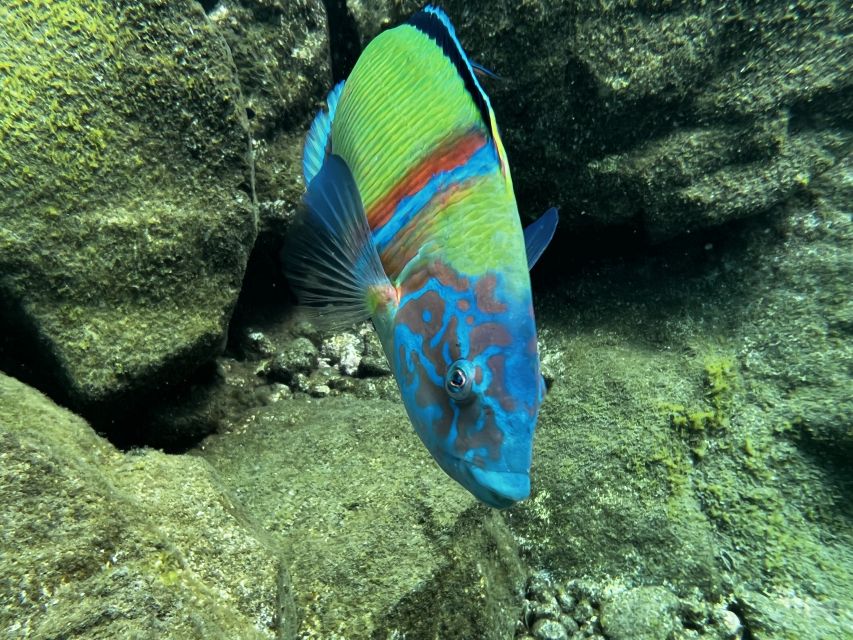
This is where the turtle area idea turns from a label into a promise. You’re set up to see a lot of marine life: hundreds of colorful fish, turtles, starfish, vibrant reefs (think “lots of color and structure”), and even reclusive octopus.
The most useful way to set expectations is to remember this is marine wildlife, not a theme park. You might see turtles clearly, you might see them at a distance, and you’ll likely see more fish than anything else because fish are often active and visible. Starfish and reef features tend to be easier to spot once you’re calm and stable, which is why getting comfortable matters.
About octopus: the info says you may encounter one, and it also calls them reclusive. Translation for you: don’t assume you’ll spot one for sure. Do keep your eyes open and move slowly—wildlife often only reveals itself when you stop trying to rush it.
If you’re thinking about doing this with family, couples, or friends, the experience is described as suitable for nearly every age from 10 years on (with limits). That suggests the instructors are used to different comfort levels—some people focus on technique, others focus on wildlife. You can do both.
Photos and videos: the real memento after your first scuba session
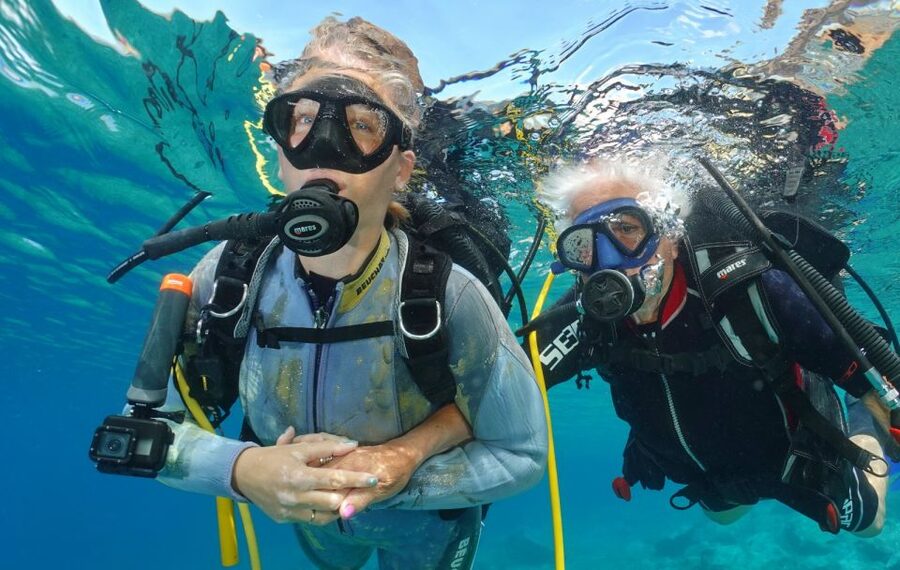
The included memento is one of the strongest reasons to book this specific experience. During the tour, they make a lot of videos and photos of you. After the tour, you receive them by mail or transfer.
That’s more than a cute extra. For first-timers, underwater memory fades quickly because you’re concentrating on breathing and movement. Photos and videos become your way to “replay” the experience later and confirm that you actually did it.
Also, underwater photos can show you details you wouldn’t notice while you’re busy learning—like the distance of a turtle or how your position looks next to reef structure. It turns your first try into something shareable and memorable.
So if you’re the kind of person who wants proof and keepsakes (not just a mental highlight), this is a smart inclusion.
Safety and restrictions: the rules that keep it calm
This activity has clear safety constraints, and you should treat them seriously. Diving is only possible if you don’t have any problems with lungs, heart, or ears. There are also listed groups for whom it’s not suitable:
- Children under 8 years
- Pregnant women
- People with heart problems
- People with epilepsy
- People with a cold
- People with recent surgeries
- Non-swimmers
Two additional rules stand out because they affect your real plans:
- You must be able to swim.
- You cannot fly within 12 hours of completing the activity.
Also, there’s a note that you should not do mountain climbing or driving to Teide (within 12 hours). That’s a good reminder that your body may still be adjusting after the underwater work. If your day includes long driving or strenuous sightseeing, build in a buffer.
Finally, your instructor chooses where you go underwater depending on wind and water. That means the plan isn’t rigid, and you shouldn’t view that as uncertainty. It’s how they keep conditions right for a beginner-friendly session.
Who should book this try scuba, and who should skip it
If you’re a first-timer who wants a calm learning environment, you’re exactly the target. The experience is explicitly described as safe for nearly every age from 10 on, and it’s designed for families, couples, friends, and private groups.
It’s also a good fit if:
- You want instruction in English, German, or Spanish.
- You’d rather learn in a private setup instead of sharing attention.
- You value getting photos and videos afterward.
It’s not a good fit if:
- You’re dealing with lungs, heart, or ear issues.
- You’re pregnant.
- You can’t swim confidently.
- You have epilepsy, a current cold, or recent surgery.
- You can’t follow the no-flying-after-12-hours rule.
If you’re on the fence, your best move is to compare the restrictions to your own health situation. Don’t guess. If you’re unsure about lungs, ears, or heart, talk to a medical professional before committing.
Should you book this turtle-area first-timer session?
Yes, if you want your first scuba try to feel guided, calm, and wildlife-focused. The combination of private-group attention, land coaching, relaxed descent, and included photos/videos is a strong value package. And the turtle-area marine life goal gives the experience a clear payoff beyond learning skills.
Skip it, or at least pause, if you can’t meet the swim and health requirements or you have travel plans that don’t allow the 12-hour no-fly window. In those cases, the experience won’t be worth the risk or the stress.
Also, quick reality check: the location may change depending on weather (wind and water), so the exact setting isn’t guaranteed. But conditions changing is part of the safety promise, and for beginners, that’s usually a good thing.
If you’re ready to learn with patience and you want turtles and reefs in Tenerife as your payoff, this is one of those rare first-timer activities that actually seems built for you to enjoy it.
FAQ
How long is the try scuba experience in Tenerife?
The duration is 2.5 hours.
Is this a private group or shared with other people?
It’s a private group. You only dive with your private group, not mixed with other groups.
What’s included in the $100 per person price?
Included are the instructor, diving equipment, neoprene, fins, a course, underwater photos, videos, and diving insurance.
What do I need to bring with me?
Bring swimwear, a towel, and flip-flops.
Do I need to know how to swim?
Yes. You must be able to swim for this activity.
Can I wear glasses or contact lenses underwater?
Glasses must be removed for underwater activities. Contact lenses are recommended, but they can be lost.
When can I fly after the experience?
You cannot fly within 12 hours of completing the activity.
More Tour Reviews in Tenerife
- Siam Park Entry Tickets
★ 4.5 · 15,710 reviews - Tenerife: Eco-Yacht Whale and Dolphin Watching and Swimming
★ 4.7 · 15,619 reviews - Los Cristianos Respectful No-Chase Whale and Dolphin Safari
★ 4.6 · 12,782 reviews - Tenerife: Loro Parque Entry Ticket
★ 4.8 · 12,411 reviews - Loro Parque and Siam Park Combined Admission Tickets
★ 4.7 · 7,307 reviews
Where Else to Snorkel with Turtles
- Tenerife: Kayak and Snorkel with Turtles, Wetsuits Included
★ 4.6 · 7,215 reviews - Tenerife: Kayak Safari and Snorkel in a Marine Reserve
★ 4.5 · 3,214 reviews - Tenerife: Kayak & Snorkel with Local Fauna, Photos Included
★ 4.6 · 2,010 reviews - Tenerife: Your First Scuba Diving Experience in Turtle Area
★ 4.7 · 1,679 reviews - Tenerife Snorkeling boat trip in a Turtle Habitat
★ 4.1 · 1,547 reviews
More Dives Off Tenerife
- Southern Tenerife: 50-Minute Submarine Dive
★ 4.8 · 2,216 reviews - Tenerife: Your First Scuba Diving Experience in Turtle Area
★ 4.7 · 1,679 reviews - Tenerife: Beginner’s Dive at a Spot with Turtle Sightings
★ 4.7 · 627 reviews - Tenerife First Time Scuba Dive – Turtle Habitat, Small Groups
★ 4.5 · 456 reviews - Tenerife: Beginner Scuba Dive Experience
★ 4.8 · 238 reviews
Just Added: Fresh Tenerife Reviews



Snorkeling with Turtles, compared.
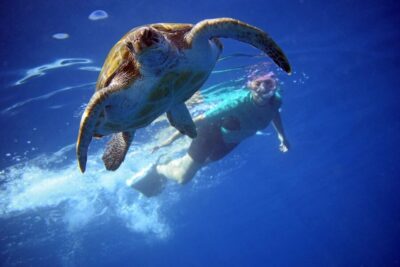 ★ 4.6Kayak and Snorkel with Turtles, Wetsuits IncludedFrom $357,215 reviews
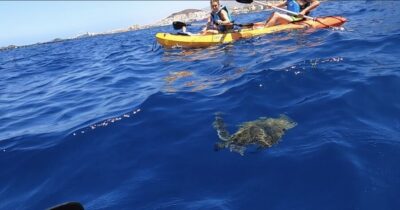 ★ 4.5Kayak Safari and Snorkel in a Marine ReserveFrom $293,214 reviews
 ★ 4.6Kayak & Snorkel with Local Fauna, Photos IncludedFrom $362,010 reviews
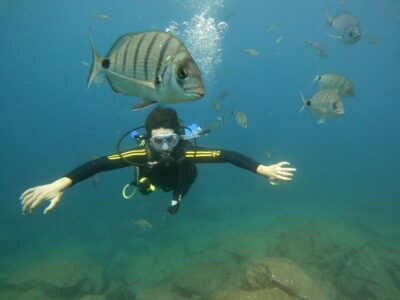 ★ 4.7Your First Scuba Diving Experience in Turtle AreaFrom $841,679 reviews
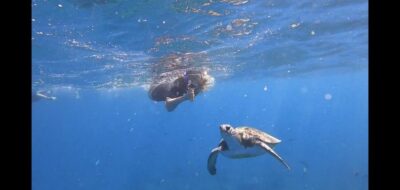 ★ 4.1Tenerife Snorkeling boat trip in a Turtle HabitatFrom $421,547 reviews
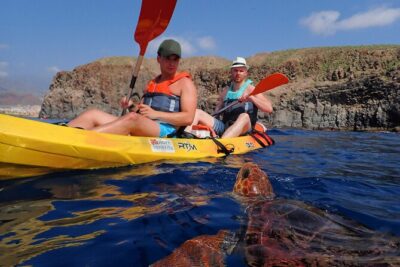 ★ 4.5Turtle & Dolphin Kayak Tour with Snorkel & WetsuitFrom $421,411 reviews
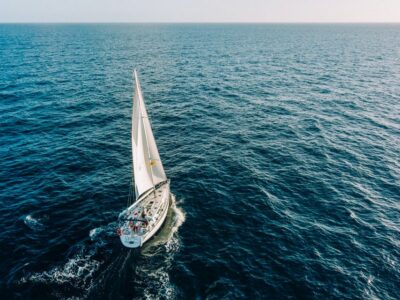 ★ 4.8Sailboat Tour Whale Watching Food and SnorkelingFrom $70652 reviews
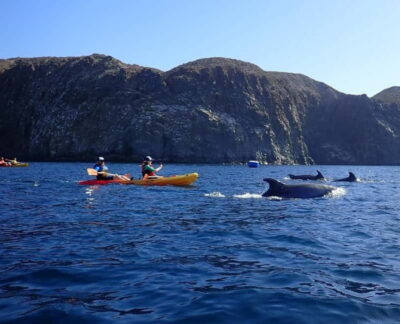 ★ 4.8Kayak Sea Safari with Snorkel and SnacksFrom $41639 reviews
Browse the lists this tour appears in