
Reviewed · MOUNT TEIDE & CABLE CAR
Tenerife: Teide Stargazing with an Astrophysicist
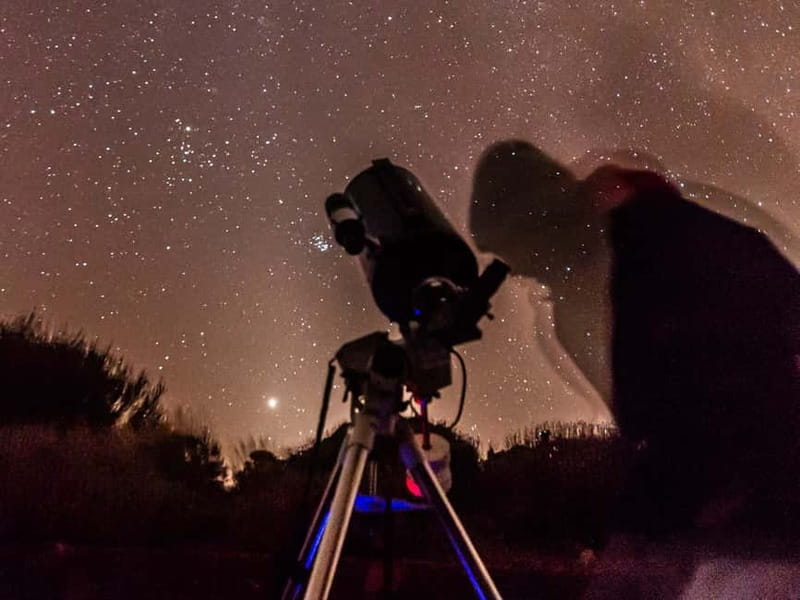
Teide turns nighttime into science class. This 1.5-hour stargazing run from the Parador de Cañadas del Teide pairs a certified astrophysicist guide (often named Adal) with a serious 20 cm / 8-inch telescope under one of Europe’s best star-filled views. You get the sky explained in a way that works for beginners, but still feels real to people who’ve been looking up for years.
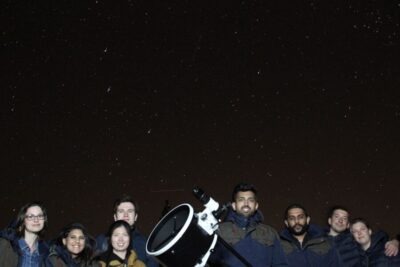
I especially like the small-group setup (max 10) and the fact that it’s a single-language experience, so you don’t spend the night translating in your head. And I really appreciate the practical teaching: you learn constellations and mythology, how the telescope is set up, and what you’re actually seeing (not just vague glow in the dark).
One consideration: Teide weather is a deal-maker or deal-breaker. Even with great plans, cold mountain conditions and cloud can lead to changes, so come ready to bundle up and accept that clear sky isn’t guaranteed.
In This Review
- Key highlights worth your attention
- Why Teide nights feel different from other stargazing
- Meeting at the Parador: how your night starts
- The 1.5-hour flow: telescope time plus real explanations
- What you’ll see through the 20 cm / 8-inch telescope
- The Moon: best “starter” target
- Jupiter and Saturn: planets with personality
- Neptune and deeper targets (when conditions allow)
- Star clusters, double stars, and nebula-type objects
- Shooting stars: the night sky adds its own surprises
- The telescope is the tool; the guide is the translation
- Who this tour suits best (and who should think twice)
- Price and value: what $47 buys you at Teide
- What to bring (so the cold doesn’t steal your night)
- Weather reality: why your evening depends on the sky
- Should you book Tenerife Teide Stargazing with an Astrophysicist?
- FAQ
- How long is the Teide stargazing experience?
- Where does the tour meet?
- What languages are offered?
- What telescope does the tour use?
- Is transport included?
- What should I wear for the night?
- Is it suitable for children?
Key highlights worth your attention
- Small group, max 10: easier questions and more time at the telescope.
- Certified astrophysicist guide: explanations that connect myths, constellations, and current research.
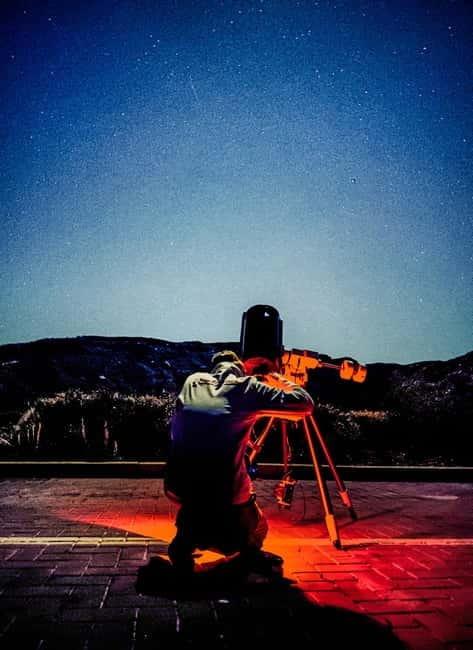
- 20 cm (8-inch) telescope: strong enough to show detail on bright targets like the Moon, Jupiter, and Saturn.
- Single-language sessions: less confusion and a smoother pace for the whole group.
- What to bring to survive the cold: warm clothing for 0–4ºC in winter and layers even in milder months.
- Weather-aware operation: safety comes first, and you’ll be refunded if conditions force a cancellation by the operator.
Other ways up the volcano, side by side
- Tenerife: Mount Teide Tour with Cable Car Ticket & Transfer★ 4.3 · 5,094 reviews
- Tenerife: Teide National Park Sunset & Stargazing Tour★ 4.2 · 3,812 reviews
- Tenerife: Sunset and Stargazing at Teide National Park★ 4.7 · 2,826 reviews
- Teide National Park Sunset & Stargazing with Dinner (Star Safari)★ 5.0 · 2,601 reviews
Why Teide nights feel different from other stargazing
Teide National Park sits high, and altitude matters. You’re not just getting a “dark” sky; you’re getting air that’s often steadier for viewing, which helps with how crisp the Moon, planets, and star fields look through a telescope.
This tour leans into that advantage with a format that makes the night feel usable. Instead of wandering in silence, you’re guided through what to look for—constellations first, then the telescope targets—so you’ll actually understand why the sky looks the way it does.
The other thing I like is the mix of perspectives. You’ll hear myth and sky stories, but you’ll also get pulled toward modern astrophysics and the “why” behind the objects overhead. That blend helps the experience land even if astronomy isn’t your main hobby.
Meeting at the Parador: how your night starts
You meet at the entrance or outdoor patio of the Parador de Cañadas del Teide in Las Cañadas del Teide. This is the kind of meeting point that makes sense: it’s a known landmark in the area, and it’s close to where the group session is hosted.
The tour runs on specific regular days (Tuesday and Friday), and private sessions can happen other days if you want to travel around your own schedule. Either way, plan to arrive early enough to settle in. On these high-mountain evenings, you want your body warm before you’re outside looking up for a while.
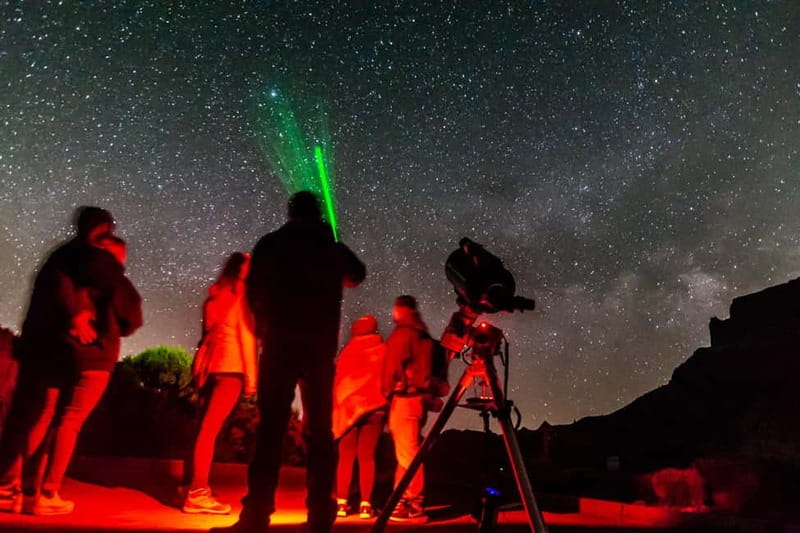
Also note the practicality built into the experience. A lantern and a laser-guided style of directing helps you locate things without stumbling around. It’s a small touch, but it saves time—and it helps protect your night vision.
The 1.5-hour flow: telescope time plus real explanations
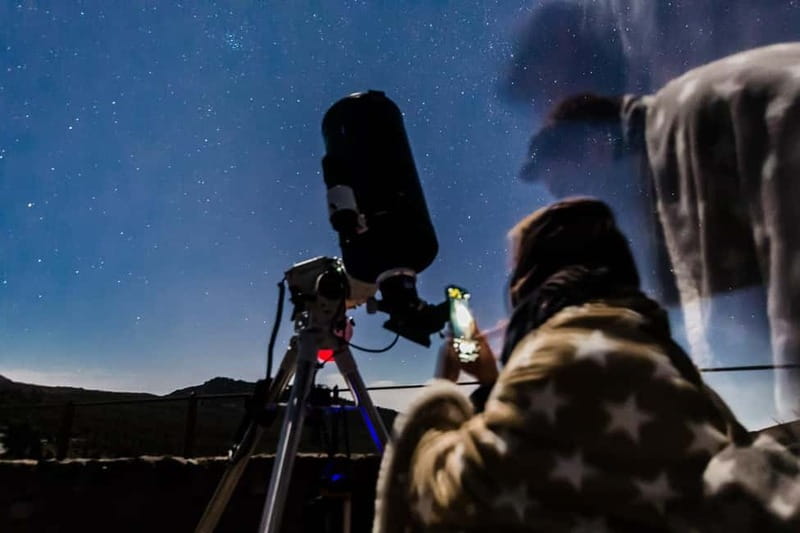
The heart of the tour happens in a focused 1.5-hour guided session. I like this length because it’s long enough to set up properly and still leave time to enjoy the sky without feeling rushed.
A certified astrophysicist guide (named Adal in many bookings) takes you through a storyline: what’s up there, how it connects to constellations and sky legends, and how scientists think about the same objects today. The tone is typically friendly and humorous, and the best part is that the guide adjusts to the group’s level—so beginners don’t feel left behind and astronomy fans don’t feel talked down to.
You’ll also learn the telescope side of the experience. You don’t just point and look; you get a basic walkthrough of how the equipment works and why specific targets are worth viewing. That makes the telescope feel less like a magic box and more like a tool with purpose.
In the reviews, people repeatedly mention that questions are welcomed, even the simple ones. You can tell the guide’s goal is not to perform a lecture, but to get everyone involved with the night sky—something that matters more than you’d expect when you’re standing in the cold.
What you’ll see through the 20 cm / 8-inch telescope
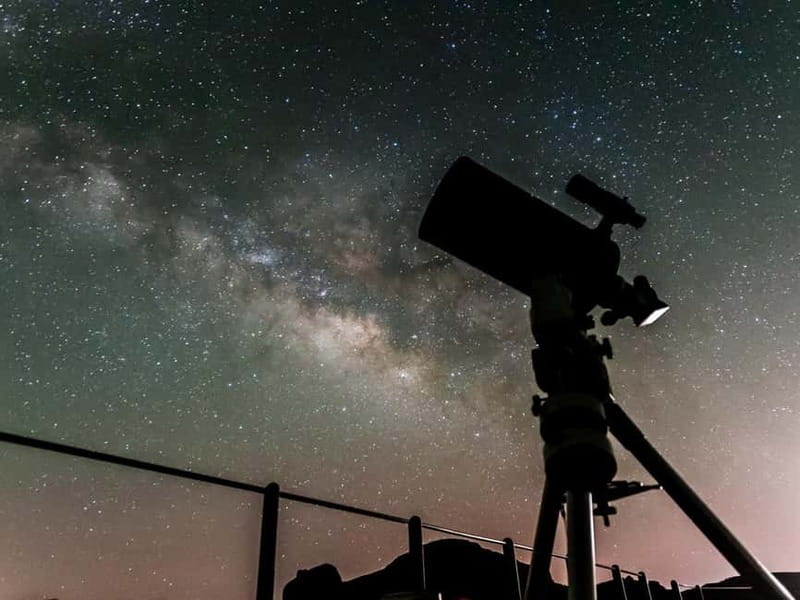
What you see depends on the night, but the pattern is consistent: you start with easy-to-find highlights, then move to targets where the telescope helps most.
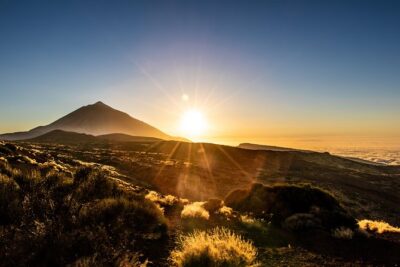
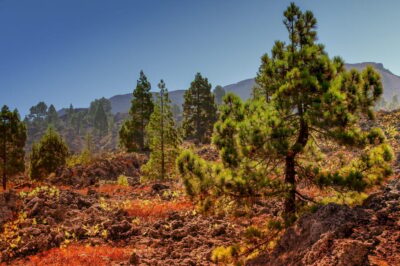
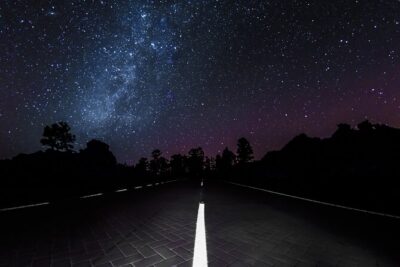
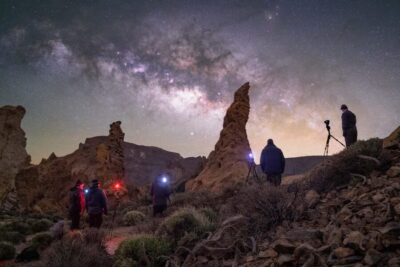
More nights out under the Teide sky
The Moon: best “starter” target
The Moon is often part of the show, and it’s a smart choice for first-timers. Through a telescope, it shifts from a single bright circle to a textured scene. In past sessions, people have seen Moon details like craters, which makes the whole night feel suddenly real.
Jupiter and Saturn: planets with personality
If the sky cooperates, you may get views of Jupiter and Saturn. Saturn’s rings are a classic goal for a reason: they can look surprisingly sharp for the size of the viewing instrument, and they instantly give you a wow moment that isn’t just brightness.
Jupiter is another frequent highlight. You might spot features that show why Jupiter is more than a dot—details that make “planet” feel like an object you can study rather than a point of light.
Neptune and deeper targets (when conditions allow)
Neptune is mentioned as a possible sight in the experience, which tells you the tour isn’t aimed only at casual skimming. Still, you should treat far targets like Neptune as weather-and-sky-dependent. In other words: it’s a bonus when conditions are right, not a guarantee you should build your entire trip around.
Star clusters, double stars, and nebula-type objects
You may also see star clusters and double/binary-type systems. One booking notes a false binary star system, which is exactly the kind of teaching moment a good astrophysicist guide loves—helping you understand how perception and distance affect what you think you’re seeing.
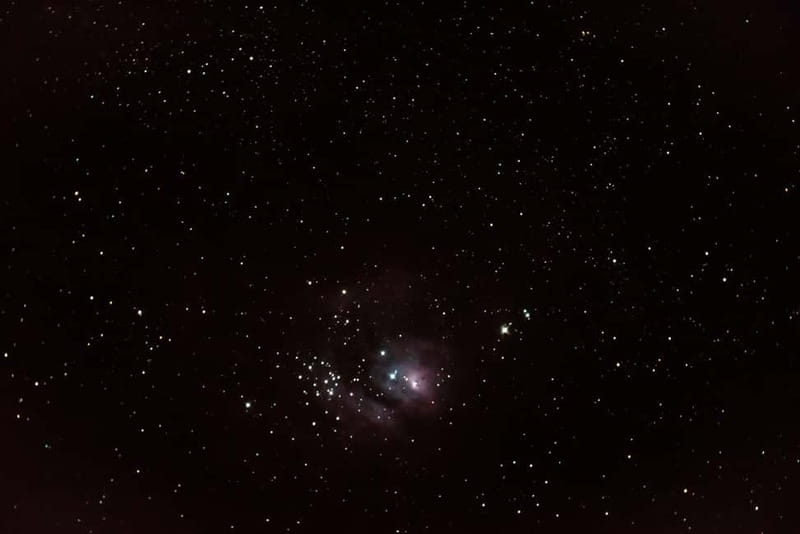
Nebula-type objects also show up in reported sessions, including a reflection nebula. Even when these objects don’t look like pictures you’ve seen online, they can still look striking through the right telescope and with the guide explaining what your eyes are actually picking up.
Shooting stars: the night sky adds its own surprises
The session is also framed by the natural sky show—Moon phases, planets, and shooting stars if you’re lucky. You’re paying for the guidance and the optics, but Teide’s darkness can add spontaneous moments that you can’t script.
The telescope is the tool; the guide is the translation
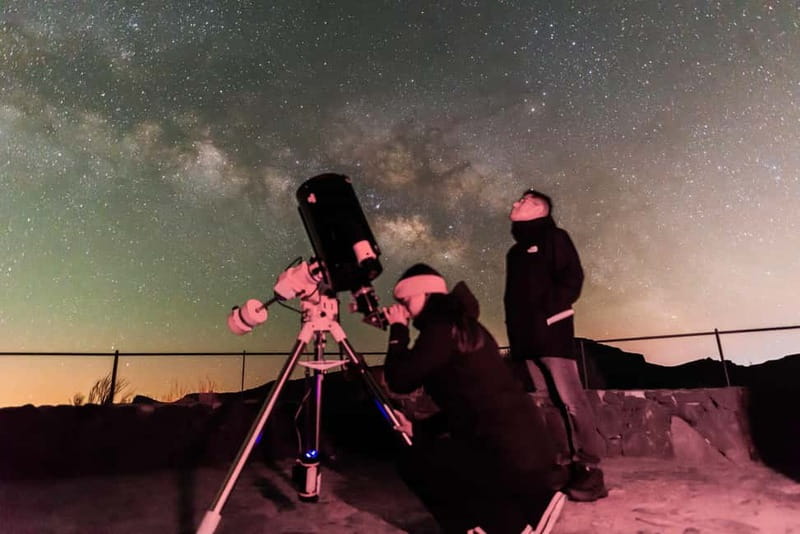
A big reason this experience scores so high is that the telescope is paired with interpretation. A telescope alone can turn into a “look quickly, move on” situation. Here, the guide spends time explaining what you’re seeing, including what changes when you adjust equipment or when the sky’s clarity shifts.
That matters because your brain needs context. Without it, you might see a bright smear and wonder if you’re doing it right. With it, you start to recognize patterns: how constellations connect, why certain objects appear where they do, and how astronomers think about distance and structure in space.
I also like the emphasis on constellations and mythology. You don’t need to memorize names. Instead, you get a mental map that helps you orient faster and enjoy the night without feeling lost.
Who this tour suits best (and who should think twice)
This tour is designed for people who want a guided stargazing evening that still feels scientific. That means it works for:
- Couples who want a shared “wow” moment with time for questions
- Solo travelers who don’t want to figure out astronomy alone in the dark
- Families with older kids who can handle cold weather and a structured outing
In the provided info, it says the activity may not be appropriate for children under 7–9 due to high-mountain conditions, and it’s marked not suitable for children under 8 and babies under 1. So if you’re traveling with young kids, treat this as a “maybe not” and pick a warmer, shorter alternative.
If you’re comfortable standing outdoors in winter layers and you’re excited by the idea of learning how to look through a telescope, you’ll get more out of the session.
Price and value: what $47 buys you at Teide
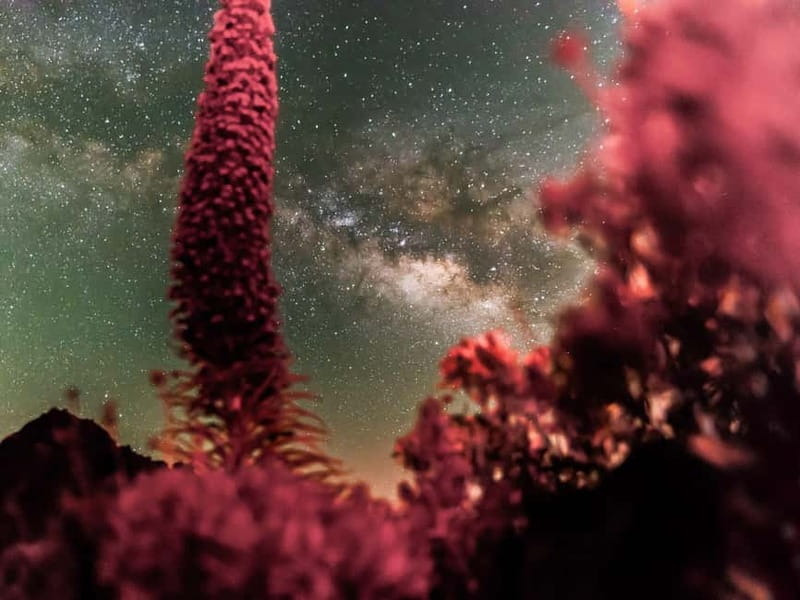
At $47 per person for a 1.5-hour guided experience, you’re paying for three things that are hard to replicate on your own:
- A certified astrophysicist who can explain the sky and your targets in real terms
- Access to a high-end 20 cm / 8-inch telescope, not a small handheld setup
- A small-group format that keeps the experience interactive
Is it expensive compared to doing nothing? Sure, but you’re also buying time, instruction, and equipment. Doing this independently usually means renting optics, finding a good viewing spot, and figuring out the sky under pressure.
With this tour, the heavy lifting is done for you. Your job is mostly to show up, dress for the cold, and be ready to ask questions.
What to bring (so the cold doesn’t steal your night)
Teide nights can run very cold, especially in the October–March window. The guidance is clear: bring warm clothing for temperatures between 0–4ºC in winter months, and layers even for 10–15ºC in April–September.
I’d plan for the worst and hope for the best. That means:
- Comfortable shoes with traction (you’ll be outside)
- Warm shoes and thermal clothing
- A water bottle
- Weather-appropriate layers that you can adjust
- Comfortable clothes you can move in
One more practical point: transport to the meeting spot is on you. Transport isn’t included, and you’ll need your own vehicle or arrange a taxi to reach the Parador area.
Weather reality: why your evening depends on the sky
Because you’re in a high-mountain environment, cloud cover and conditions can shut things down. The operator notes that the activity may be canceled due to weather, with a 100% refund if they cancel.
That’s the right approach. Stargazing is about the sky, and safety comes first when conditions aren’t right. If you can, keep your schedule flexible and don’t stack a lot of other plans for the same hour.
Should you book Tenerife Teide Stargazing with an Astrophysicist?
Yes—if you want a guided night at Teide that feels educational without being heavy, and you care about seeing actual detail through a proper 20 cm / 8-inch telescope.
This is a strong choice if you:
- Like small groups and want questions answered
- Want explanations that connect constellations, mythology, and modern astrophysics
- Are traveling as a couple, solo, or with kids old enough to handle cold nights
Skip it or rethink it if:
- You’re traveling with very young children who may struggle in cold mountain weather
- You don’t have a way to reach the Parador meeting point
- You hate the idea that weather can cancel plans in a high-altitude area
If you’re aiming for one memorable, science-friendly night sky experience in Tenerife, this one is built for it.
FAQ
How long is the Teide stargazing experience?
It lasts 1.5 hours.
Where does the tour meet?
You meet at the entrance or outdoor patio of the Parador Cañadas del Teide Hotel in Las Cañadas del Teide, Santa Cruz de Tenerife.
What languages are offered?
The tour is available in English and Spanish.
What telescope does the tour use?
The experience uses a professional 20 cm telescope, listed as an 8-inch telescope.
Is transport included?
No. Transport is not included, and you’ll need your own car or arrange a taxi to reach the meeting spot.
What should I wear for the night?
Bring warm clothing. October to March can be around 0–4ºC, and April to September can be around 10–15ºC. Comfortable shoes, thermal layers, and weather-appropriate clothing are recommended.
Is it suitable for children?
It may not be appropriate for kids under 7–9 due to mountain weather. It is marked not suitable for children under 8, and babies under 1 year.
More Tour Reviews in Tenerife
- Siam Park Entry Tickets
★ 4.5 · 15,710 reviews - Tenerife: Eco-Yacht Whale and Dolphin Watching and Swimming
★ 4.7 · 15,619 reviews - Los Cristianos Respectful No-Chase Whale and Dolphin Safari
★ 4.6 · 12,782 reviews - Tenerife: Loro Parque Entry Ticket
★ 4.8 · 12,411 reviews - Loro Parque and Siam Park Combined Admission Tickets
★ 4.7 · 7,307 reviews
More Stargazing on the Mountain
- Tenerife: Teide National Park Sunset & Stargazing Tour
★ 4.2 · 3,812 reviews - Tenerife: Sunset and Stargazing at Teide National Park
★ 4.7 · 2,826 reviews - Teide National Park Sunset & Stargazing with Dinner (Star Safari)
★ 5.0 · 2,601 reviews - Teide National Park: Sunset & Stargazing Safari with Dinner
★ 4.6 · 2,115 reviews - Teide by Night: Sunset & Stargazing with Telescopes Experience
★ 4.5 · 1,492 reviews
Teide, a Few More Ways Up
- Tenerife: Mount Teide Tour with Cable Car Ticket & Transfer
★ 4.3 · 5,094 reviews - Tenerife: Teide National Park Sunset & Stargazing Tour
★ 4.2 · 3,812 reviews - Tenerife: Sunset and Stargazing at Teide National Park
★ 4.7 · 2,826 reviews - Teide National Park Sunset & Stargazing with Dinner (Star Safari)
★ 5.0 · 2,601 reviews - Teide National Park: Sunset & Stargazing Safari with Dinner
★ 4.6 · 2,115 reviews
Just Added: Fresh Tenerife Reviews
Mount Teide & Cable Car, compared.
 ★ 4.3Mount Teide Tour with Cable Car Ticket & TransferFrom $1025,094 reviews
 ★ 4.2Teide National Park Sunset & Stargazing TourFrom $473,812 reviews
 ★ 4.7Sunset and Stargazing at Teide National ParkFrom $472,826 reviews
 ★ 5.0Teide National Park Sunset & Stargazing with Dinner (Star Safari)From $952,601 reviews
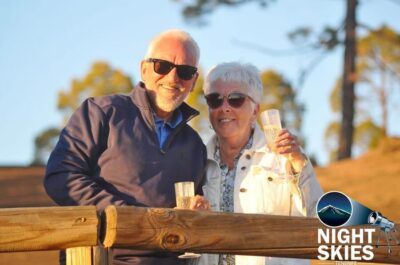 ★ 4.6Teide National Park: Sunset & Stargazing Safari with DinnerFrom $652,115 reviews
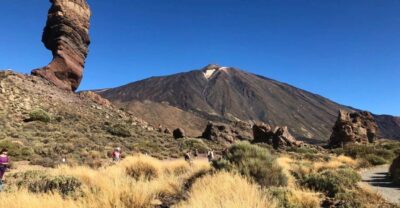 ★ 4.5Mount Teide, Masca, Icod and Garachico Day TripFrom $652,065 reviews
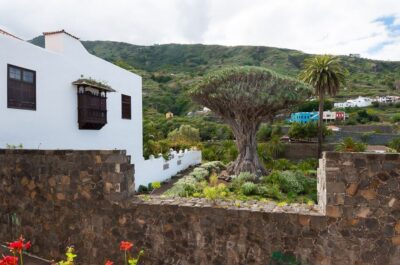 ★ 4.5Teide National Park Full-Day Tour with PickupFrom $661,613 reviews
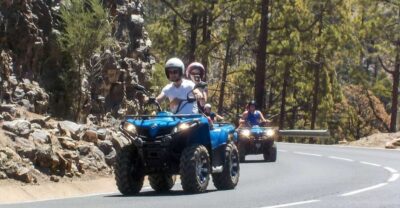 ★ 4.7Quad Adventure Tour in Teide National ParkFrom $941,492 reviews
Browse the lists this tour appears in