
Reviewed · MOUNT TEIDE & CABLE CAR
Tenerife: Teide Peak Hiking 3715m
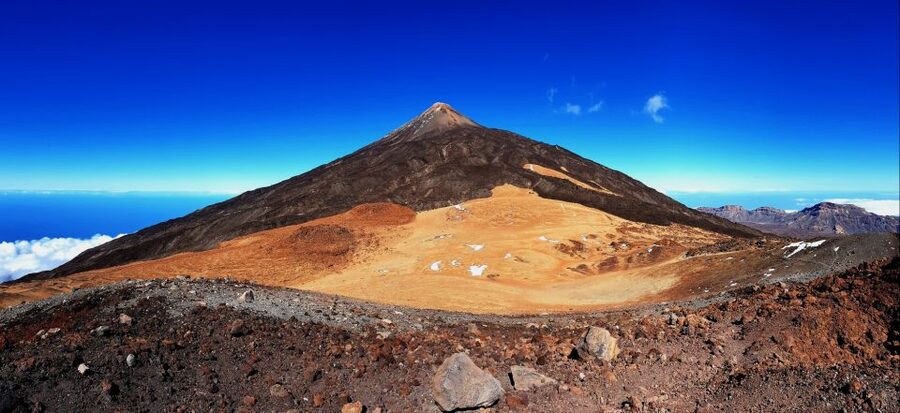
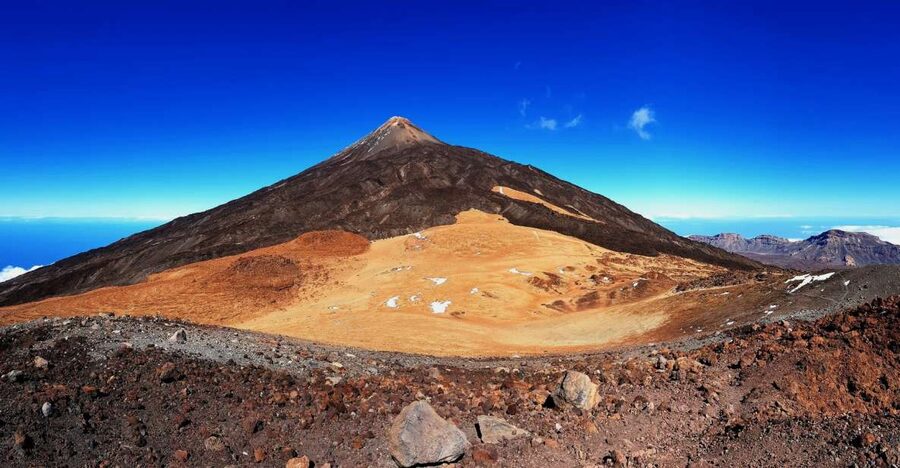
At 3,715 m, the world gets quiet. This Teide Peak hike is built around the official permit timing to reach Teide Peak at the right moment, with time for a 360-degree panorama that’s hard to describe. You’re stepping onto Spain’s highest point above the Atlantic, in volcanic terrain that changes color as the light shifts.
Two things I really like: the qualified mountain guide (names like Peter and Evelyn show up in the experience of different groups) and the tour’s practical focus on kit and safety, from trekking poles to a headlamp. One drawback to consider: the day can feel long—especially if you hike down on foot via Montana Blanca instead of taking the cable car, and the pace can be brisk in parts.
In This Review
- Key points I’d build your decision around
- Why Teide feels like a real summit day, not just a walk
- Meeting outside the barrel: how the start sets you up
- Up to the summit: volcanic colors, permit timing, and that 360° moment
- Gear that’s actually useful: poles, headlamp, and the cold-weather kit
- Downhill on Teide: cable car comfort vs Montana Blanca on foot
- Option A: Cable car down (easier, extra cost)
- Option B: Hike down via Montana Blanca (longer and tougher)
- One practical heads-up
- Pacing and fitness: when the day feels smooth vs when it feels hard
- Who should skip this tour
- Price and value: what $199 covers (and what it doesn’t)
- What to bring: your Teide essentials checklist
- The guides: why expert leadership matters more at altitude
- So, should you book this Teide Peak hike?
- FAQ
- How long is the Teide Peak hiking experience?
- Do I need to worry about the summit permit?
- What’s included with the tour?
- Is the cable car included?
- Where is the meeting point?
- What languages is the guide available in?
- Who isn’t this hike suitable for?
Key points I’d build your decision around
- Official summit permit, on a schedule: you go up to the peak as soon as your permit timing allows.
- Small group (up to 10): enough room to stay together, without feeling like a crowd trek.
- Weather-ready support: trekking poles, headlamp, warm layers, and footwear help you handle cold or snow conditions.
- Big views at 3,715 m: expect wide, photo-friendly outlooks over the islands.
- Two descent options: cable car down (extra cost) or a longer, steeper hike via Montana Blanca.
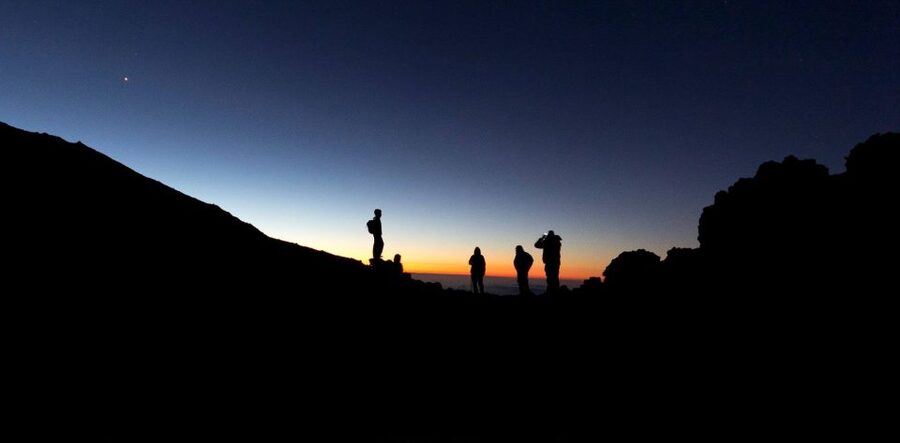
- A night-sky moment: you may get a star observation stop during the later part of the day.
Other ways up the volcano, side by side
- Tenerife: Mount Teide Tour with Cable Car Ticket & Transfer★ 4.3 · 5,094 reviews
- Tenerife: Teide National Park Sunset & Stargazing Tour★ 4.2 · 3,812 reviews
- Tenerife: Sunset and Stargazing at Teide National Park★ 4.7 · 2,826 reviews
- Teide National Park Sunset & Stargazing with Dinner (Star Safari)★ 5.0 · 2,601 reviews
Why Teide feels like a real summit day, not just a walk
Teide is the kind of place where altitude changes your body and your mood. At 3,715 m, your photos don’t look like you’re on an island. They look like you’re on the edge of something bigger—because the air is thinner, the shadows are sharper, and the ground is raw volcanic rock and sand.
What makes this hike especially appealing is that it’s not “summit, good luck.” It’s summit logistics handled for you: you’re tied to an official permit and guided timing, so you can spend your energy hiking instead of worrying about access.
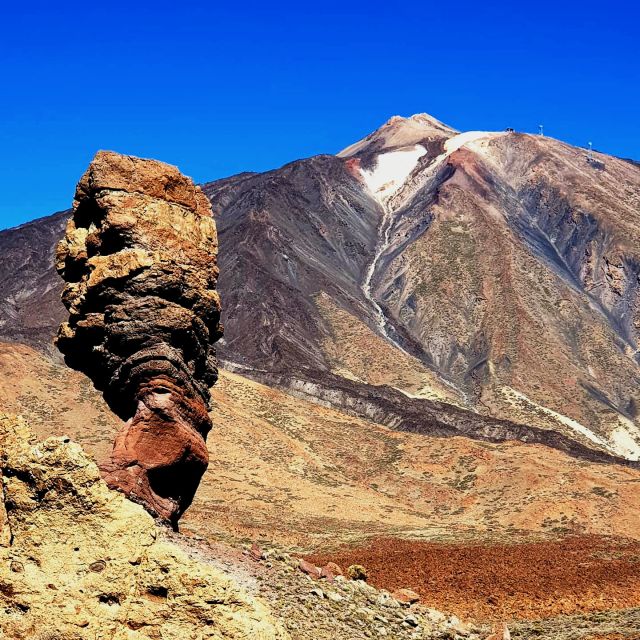
Another reason it feels special is the combination of scenery and scale. Teide’s surface can look like different planets in a single morning—rock tones, sand textures, and ridges that keep pulling your eyes around. Even if you’ve seen volcano photos before, the real thing tends to surprise you.
Meeting outside the barrel: how the start sets you up
You meet outside of the barrel, and the important detail is simple: don’t go up to the cable car station without the guide. That’s more than a rule—it’s how the group stays organized with the summit permit timing.
Because the exact schedule depends on the summit permit and (if you’re using it) the cable car departure, you should treat this as a “day plan,” not a fixed clockwork itinerary. In practice, that means you’ll move up when it’s time, then you’ll shift to the descent plan based on what you chose and what’s running.
The group size is capped at 10 participants. There’s also a minimum number to start (4 people). If that minimum isn’t met, the activity can be cancelled. So if you’re traveling close to a deadline, it helps to build in a little flexibility.
Up to the summit: volcanic colors, permit timing, and that 360° moment
Once the permit timing lines up, the plan is straightforward: you hike up to the summit as soon as possible after receiving the permit window. That’s smart, because you don’t waste daylight. You also reduce the “standing around at altitude” problem that can make people feel slow or stressed.
On the way up, you’ll walk through a volcanic environment that’s both beautiful and practical to hike in. Expect uneven ground underfoot—rocky patches, sand-like sections, and stretches where your footing matters more than your speed.
Then comes the headline: the summit at 3,715 m. From up there, you get a 360-degree panorama of the islands around Tenerife and the sea beyond. It’s the part you remember later, when the rest of the hike feels like a blur of steps and careful footing.
A real bonus here is that the summit can be less crowded later in the day, depending on your timing. One of the standout impressions from past days is that the summit experience felt calm enough to actually enjoy it, not just rush through.
Gear that’s actually useful: poles, headlamp, and the cold-weather kit
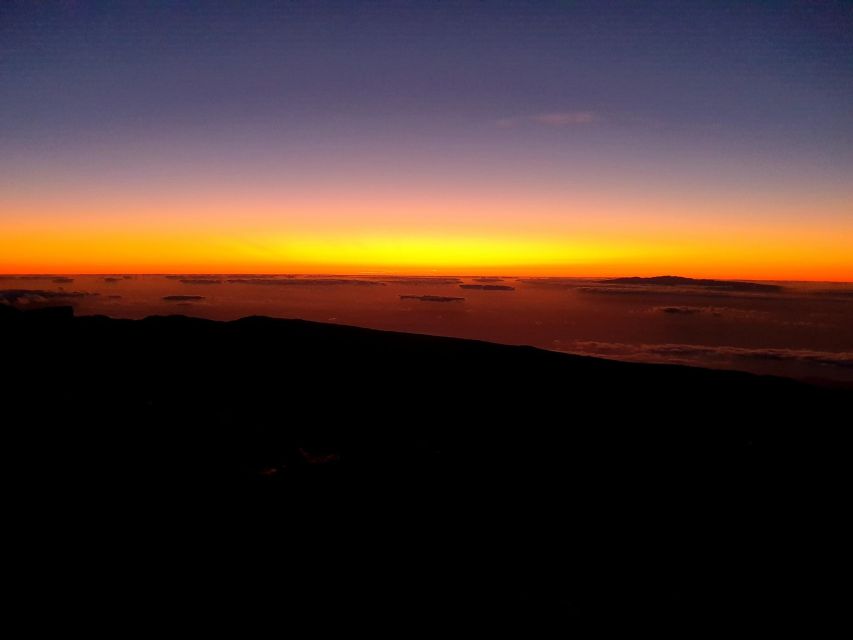
This tour includes a surprising amount of “real hiking help,” not just a guide and a vague suggestion to dress warm. You’ll have trekking poles and a headlamp, and the kit can include warm layers like a coat/sweater plus hat and gloves, plus footwear support if you need ankle-high hiking boots.
What I love about this approach is that it respects the reality of Teide weather. Conditions can turn colder and snow/ice can show up at altitude. One experience described snow and ice on the trail and noted that spikes/crampons were used for a short section. Another highlighted that crampons were provided and that one participant was equipped head-to-toe for the conditions.
So if you’re the type who thinks you’ll just bring a light jacket and see what happens, Teide will teach you otherwise. Dress like the mountain is in charge—and then you’ll be pleasantly shocked by how manageable it feels.
Also note: you may be walking on darker, more reflective surfaces where sun glare and cold both matter. Sunscreen and warm clothing are both listed as must-bring items, and that’s exactly right.
More trails, from Teno to the Teide peak
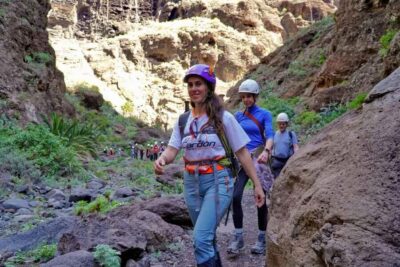
Downhill on Teide: cable car comfort vs Montana Blanca on foot
Here’s the big decision point, and it changes the whole feel of the day.
Option A: Cable car down (easier, extra cost)
If you take the cable car down, it’s described as an easy hike back. But it costs extra: +24€/person, and cable car entry isn’t included in the price.
This option is best if you want the summit and views without committing to a long, grinding descent in potentially rough terrain.
Option B: Hike down via Montana Blanca (longer and tougher)
If you hike down on foot via Montana Blanca, you’re looking at about 10 km with roughly 1,400 m of elevation change. The hike is described as pulling on for hours and becoming rocky. It’s only recommended for experienced hikers.
Also, plan for the possibility that the day can stretch. One past experience mentioned nightfall and using a headlamp to continue downhill after sunset, with a star observation stop along the way.
One practical heads-up
Even with the cable car option, don’t assume the day will be effortless. A past group mentioned the cable car didn’t work as expected in their case. Translation: on Teide, weather and operations can change plans, so keep a “hike-ready” mindset even if you buy into the cable car option.
Pacing and fitness: when the day feels smooth vs when it feels hard
The tour is designed for people who can handle a challenging mountain hike. It’s not a stroll, even with the help of trekking poles and a guide.
A positive pattern in the feedback is that the guided walking feels safe and well explained. Guides are credited for professionalism, relaxed leadership, and useful history and landscape interpretation—especially around the national park and volcanic formation.
But there’s also a caution: one experience noted the guide walked quite quickly, and some people struggled to keep up. So if you’re slower on steep or uneven ground, tell the guide early. A good guide can usually adjust within reason, but you want to avoid waiting until you’re already in trouble.
Who should skip this tour
Based on the tour’s “not suitable for” list, don’t book if any of these apply:
- People over 65
- People under 120 cm (3 ft 9 in)
- Pregnant women
- Children under 12
- People with mobility impairments
- People with high blood pressure
If you’re unsure about altitude and health factors, treat this as a serious question for your doctor, not just a “sounds fine” decision.
Price and value: what $199 covers (and what it doesn’t)
The price is listed at $199 per person for a 6-hour experience window. For Teide specifically, the real value isn’t just the guiding—it’s the access.
This price includes:
- An official permit to go to the peak at a certain time
- A qualified mountain guide
- Liability and accident insurance
- Trekking poles and a headlamp
- Ankle-high hiking boots if needed
- Warm clothing items and help with missing equipment
What’s not included:
- Transport
- Cable car entry (if you choose it), which costs +24€/person
So when you look at value, the math becomes clear: permits, a licensed guide, insurance, and equipment are costly to organize. If you’re the kind of traveler who hates last-minute complexity—like hunting for permits, sorting out gear, and managing cold-weather readiness—this structured approach is worth paying for.
What to bring: your Teide essentials checklist
The tour lists what you should bring, and I’d treat it as a minimum baseline for comfort and safety:
- Daypack
- Sunscreen
- Passport or ID card
- Sportswear
- Warm clothing
- Hiking shoes (comfortable and solid for uneven ground)
- Food and drinks
- Water
- Comfortable shoes
- Hat/gloves-level warmth (if your provided kit doesn’t fully cover what you expect)
One practical note: altitude plus sun plus wind can mean you feel “fine” at first, then suddenly realize your hands or cheeks need protection. Packing a real buffer against cold is the easiest way to stay focused.
The guides: why expert leadership matters more at altitude
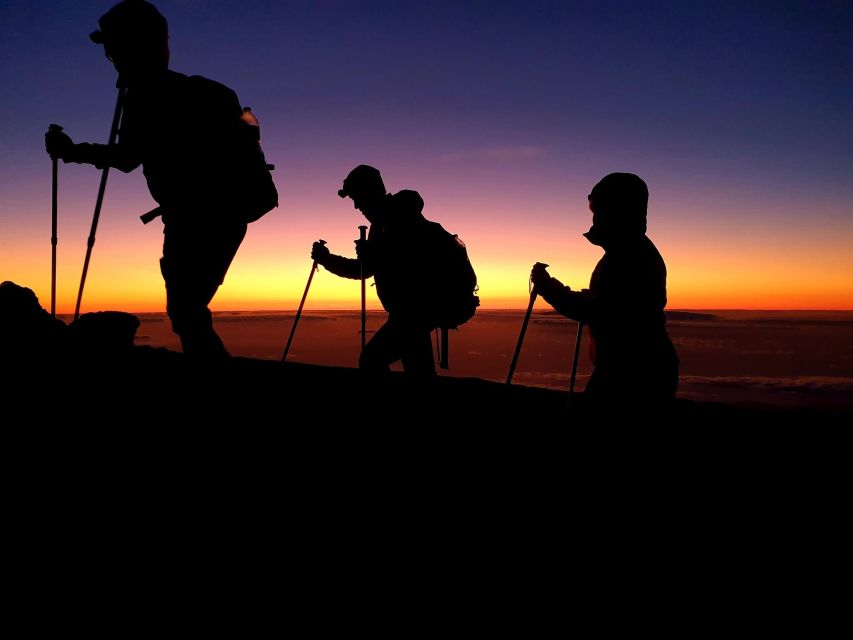
Multiple experiences point to the same theme: professional, calm leadership.
Guides like Peter and Evelyn are described as:
- Knowing a lot about the national park and Teide history
- Staying relaxed while still getting people to the summit safely
- Explaining things clearly
- Providing needed equipment support when conditions demand it
That matters because Teide isn’t just about fitness. It’s about decision-making—when to move, how to manage cold, how to keep a group together, and how to handle equipment changes if snow/ice shows up.
A good guide also improves your photos. If you know where to stand and when to pause, you get better shots and less rushing.
So, should you book this Teide Peak hike?
Book it if:
- You want official summit permit access and someone else handling timing
- You’re comfortable with a mountain day and can dress for cold
- You like the idea of a small group and real guiding, not a generic walking tour
- You want the chance of a night-sky moment and a guided, safety-first descent
Consider skipping or choosing a gentler option if:
- You’re not confident on steep, rocky descents
- You don’t handle cold weather well
- You fall into the listed “not suitable” categories
- You’re hoping the cable car magically guarantees an easy day (operations can vary)
If your goal is a true Teide summit experience at 3715 m—with equipment support, insurance, and guided safety—this is a strong, practical way to do it.
FAQ
How long is the Teide Peak hiking experience?
It’s listed as 6 hours. In real conditions, the day can run longer—especially on foot descent.
Do I need to worry about the summit permit?
No. The tour includes an official permit to go to the peak at a certain time.
What’s included with the tour?
Included items cover a qualified mountain guide, liability and accident insurance, trekking poles, a headlamp, ankle-high hiking boots if needed, warm clothing items, and any missing equipment for the hike.
Is the cable car included?
No. Cable car entry isn’t included. If you take it down, it costs an extra +24€/person.
Where is the meeting point?
You meet outside of the barrel. Don’t go up to the cable car station without the guide.
What languages is the guide available in?
The live guide is available in English, Hungarian, and Spanish.
Who isn’t this hike suitable for?
It isn’t suitable for people over 65, people under 120 cm, pregnant women, children under 12, people with mobility impairments, and people with high blood pressure.
More Tour Reviews in Tenerife
- Siam Park Entry Tickets
★ 4.5 · 15,710 reviews - Tenerife: Eco-Yacht Whale and Dolphin Watching and Swimming
★ 4.7 · 15,619 reviews - Los Cristianos Respectful No-Chase Whale and Dolphin Safari
★ 4.6 · 12,782 reviews - Tenerife: Loro Parque Entry Ticket
★ 4.8 · 12,411 reviews - Loro Parque and Siam Park Combined Admission Tickets
★ 4.7 · 7,307 reviews
More Tenerife Trails
- Tenerife: Mount Teide Summit Hiking Adventure with Cable Car
★ 4.3 · 688 reviews - From South Tenerife: Mount Teide Hiking Day Trip & Cable Car
★ 4.8 · 482 reviews - Tenerife: Anaga Mountains & Enchanted Forest Hiking Tour
★ 5.0 · 303 reviews - Tenerife: Hike Above Masca in Enchanted Forest with Pick-up
★ 4.9 · 294 reviews - Tenerife Barranco de Masca: Guided hike + boat ride + transport
★ 4.5 · 258 reviews
Teide, a Few More Ways Up
- Tenerife: Mount Teide Tour with Cable Car Ticket & Transfer
★ 4.3 · 5,094 reviews - Tenerife: Teide National Park Sunset & Stargazing Tour
★ 4.2 · 3,812 reviews - Tenerife: Sunset and Stargazing at Teide National Park
★ 4.7 · 2,826 reviews - Teide National Park Sunset & Stargazing with Dinner (Star Safari)
★ 5.0 · 2,601 reviews - Teide National Park: Sunset & Stargazing Safari with Dinner
★ 4.6 · 2,115 reviews
Just Added: Fresh Tenerife Reviews
Mount Teide & Cable Car, compared.
 ★ 4.3Mount Teide Tour with Cable Car Ticket & TransferFrom $1025,094 reviews
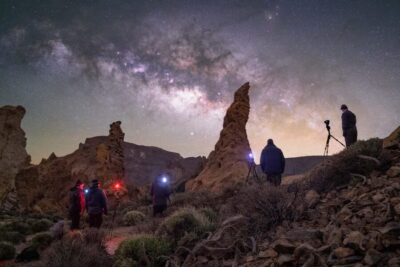 ★ 4.2Teide National Park Sunset & Stargazing TourFrom $473,812 reviews
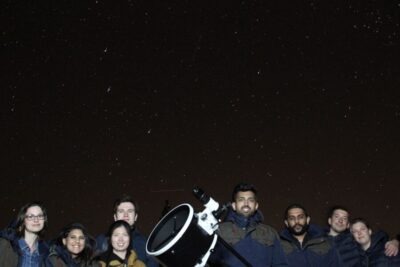 ★ 4.7Sunset and Stargazing at Teide National ParkFrom $472,826 reviews
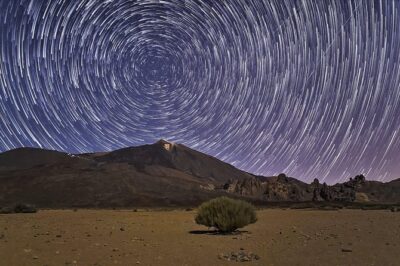 ★ 5.0Teide National Park Sunset & Stargazing with Dinner (Star Safari)From $952,601 reviews
 ★ 4.6Teide National Park: Sunset & Stargazing Safari with DinnerFrom $652,115 reviews
 ★ 4.5Mount Teide, Masca, Icod and Garachico Day TripFrom $652,065 reviews
 ★ 4.5Teide National Park Full-Day Tour with PickupFrom $661,613 reviews
 ★ 4.5Teide by Night: Sunset & Stargazing with Telescopes ExperienceFrom $1071,492 reviews
Browse the lists this tour appears in