
Reviewed · MOUNT TEIDE & CABLE CAR
Tenerife: Guided Hike to the Peak of Mount Teide
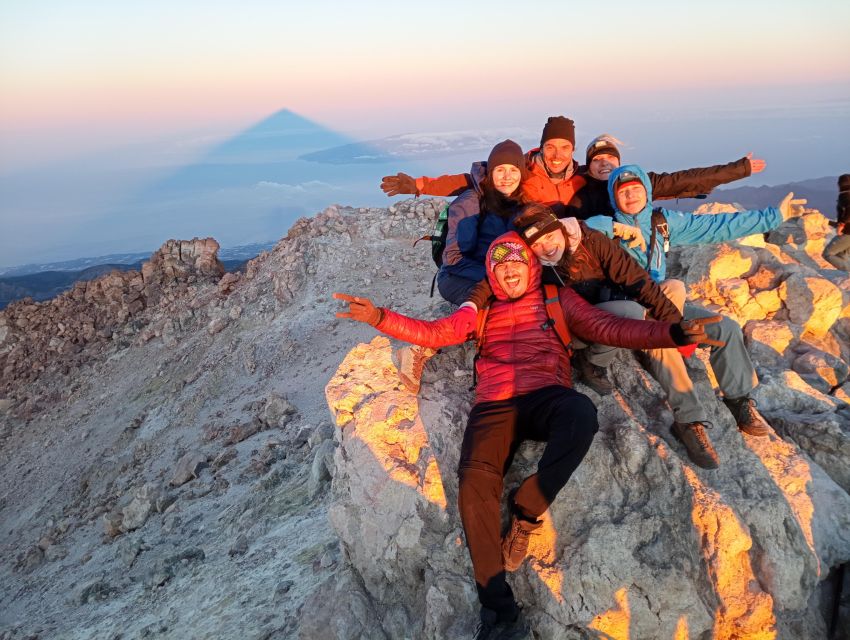
Teide at dawn is a whole new world. I love the sunrise timing and the big payoff at the top, where you can look out over Tenerife and multiple islands. I also like that the whole trip is built around guided pacing with the right gear for the cold start. One consideration: the cable car ride down costs extra and only runs in good weather, so you should be ready for a longer walk.
You meet in the morning right at the Teleferico del Teide area, and this is a small-group hike capped at 6 people. Expect a safety briefing, a permit for the El Teide area, and support that matters when you’re climbing to about 3,715 meters.
The big question for your day is weather and wind. If the cable car isn’t running (wind up to 35 km/h is the limit), you’ll walk the descent too—so the total can jump from 10 km to about 20 km.
In This Review
- Key Teide-Hike Highlights to Know Before You Go
- Teide at Sunrise: The Part That Feels Like Another World
- The Real Work: 10 km, 1,500 m Gain, and How Altitude Changes the Day
- Your Guide Is the Difference Maker (Here’s What They Actually Do)
- From Volcanic Rocks to the Summit: What Happens on the Way Up
- The Descent Choice: Cable Car Wind Rules vs. Walking 20 km
- Price and Value: What You Pay for at $175 (and What Costs Extra)
- What to Bring (and What to Avoid) for a Teide Summit Day
- Who Should Book This Teide Summit Hike (and Who Should Skip It)
- Should You Book This Guided Mount Teide Summit Hike?
- FAQ
- Where do I meet for the Mount Teide hike?
- How long is the hike?
- How far is the hike and how much elevation do you gain?
- Is the cable car ticket included in the price?
- When does the cable car run?
- What happens if the cable car is not running?
- What’s included in the tour price besides the guide?
- What languages is the live guide available in?
- What should I bring to be comfortable at altitude?
- Who is this tour not suitable for?
Key Teide-Hike Highlights to Know Before You Go
- Permit included for the El Teide trails so you’re not piecing together access on your own
- Small group (max 6) for a calmer pace at altitude
- Headlamp, poles, and gloves provided for the pre-dawn start and rocky sections
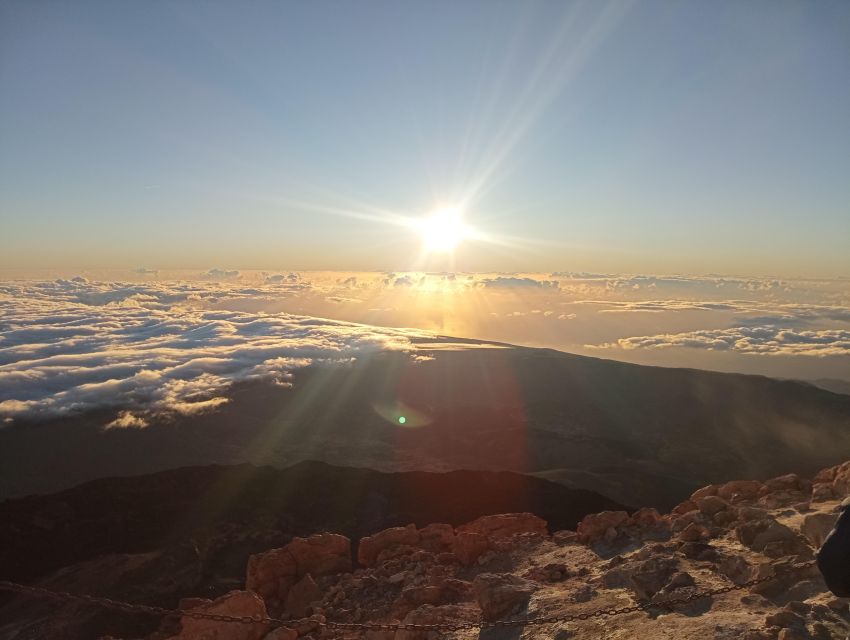
- Panoramas over Gran Canaria, La Gomera, El Hierro, and La Palma plus the Atlantic Ocean
- Cable car descent is optional but wind-dependent and not included in the price
Other ways up the volcano, side by side
- Tenerife: Mount Teide Tour with Cable Car Ticket & Transfer★ 4.3 · 5,094 reviews
- Tenerife: Teide National Park Sunset & Stargazing Tour★ 4.2 · 3,812 reviews
- Tenerife: Sunset and Stargazing at Teide National Park★ 4.7 · 2,826 reviews
- Teide National Park Sunset & Stargazing with Dinner (Star Safari)★ 5.0 · 2,601 reviews
Teide at Sunrise: The Part That Feels Like Another World
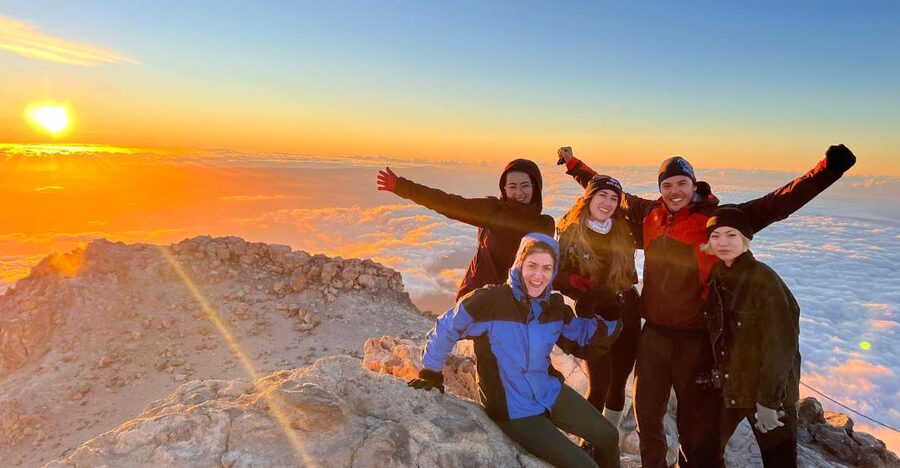
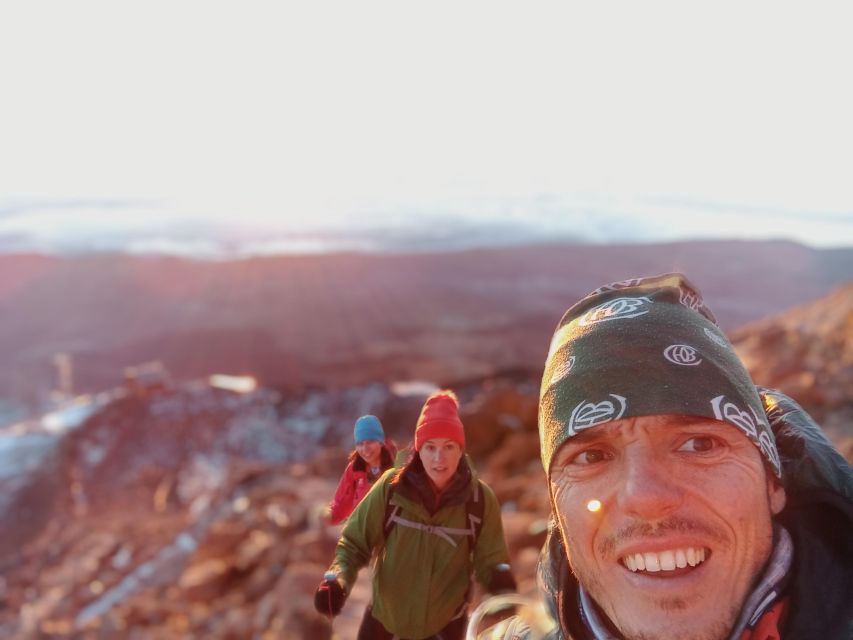
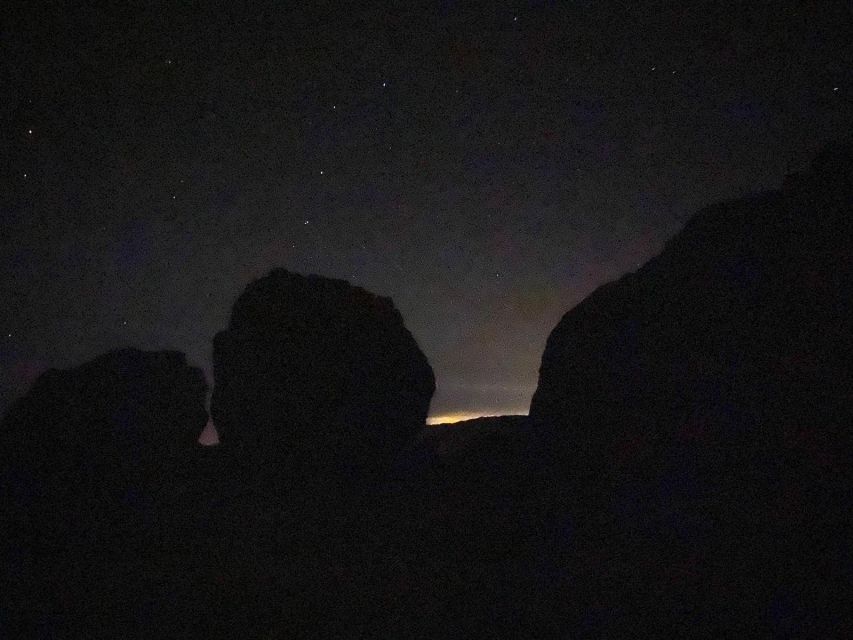
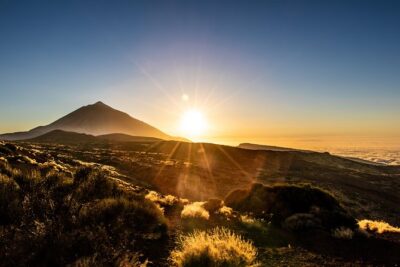
This hike is set up for the moment the world wakes up from the top of Mount Teide. You’ll start early, and because you’re climbing to a very high altitude, the experience naturally turns into night-to-dawn effort—headlamps on, breath steady, and then suddenly the horizon starts to glow.
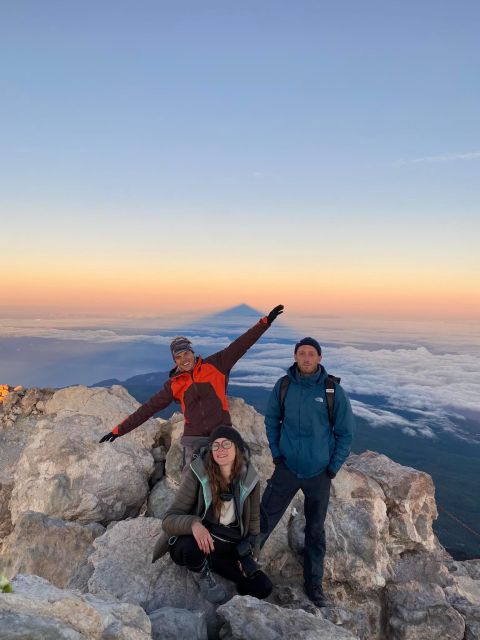
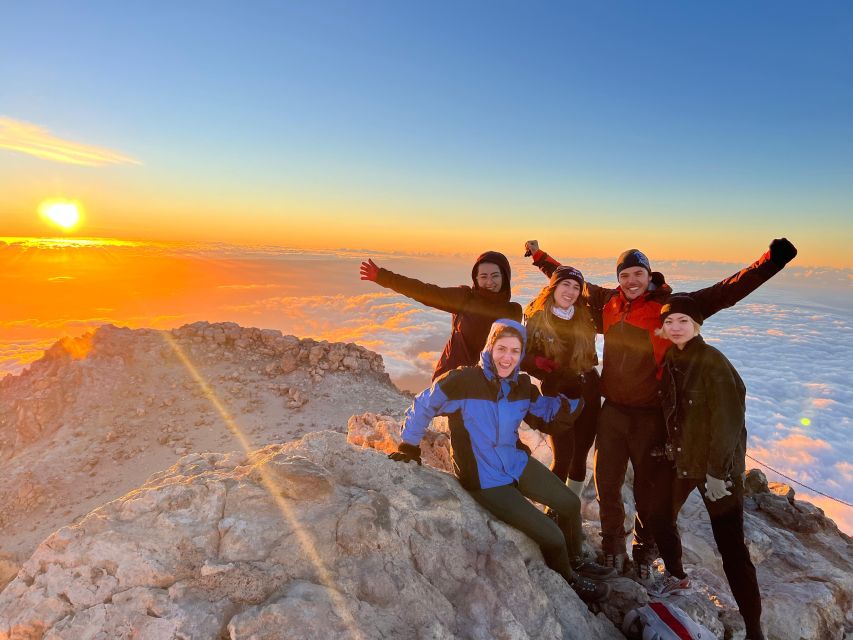
What makes it so compelling is the combination of effort and reward. You’re not just walking through a pretty area; you’re climbing to the highest peak of Spain and then getting wide-open views over Tenerife and the surrounding islands. If you care about photos, this is exactly the kind of plan that gives you a real reason to be up at the peak while the light changes.
One more detail I appreciate: the guide doesn’t treat this like a race. The plan includes stops along the way to observe authentic flora, fauna, and volcanic rock shapes, which means you’re actually learning what you’re standing on—not just grinding uphill.
The Real Work: 10 km, 1,500 m Gain, and How Altitude Changes the Day
The hike is about 10 km with roughly 1,500 meters of positive elevation. Normally the climb to the summit takes around 5–6 hours, which gives you time for a guided pace, breathing breaks, and those short stops to look closely at the volcanic terrain.
At the summit area, you’ll be around 3,715 meters. That’s high enough that even fit people can feel it, especially if they start too fast. The best way to make this comfortable is to follow the guide’s rhythm, take the stops they recommend, and keep your breathing controlled rather than “hero-ing” every switchback.
Cold is another factor. One review notes sitting around near the cable-car height in about 0°C during a wait, so you should assume it can get seriously chilly at the top or while you’re waiting for the next phase. Bring warm layers even if the lower trail feels mild.
Practical move: eat enough before you start, hydrate well, and plan to bring 2–3 liters of water. The tour guidance also suggests a short nap (around 2–3 hours) beforehand so your body has energy for the altitude push.
Your Guide Is the Difference Maker (Here’s What They Actually Do)
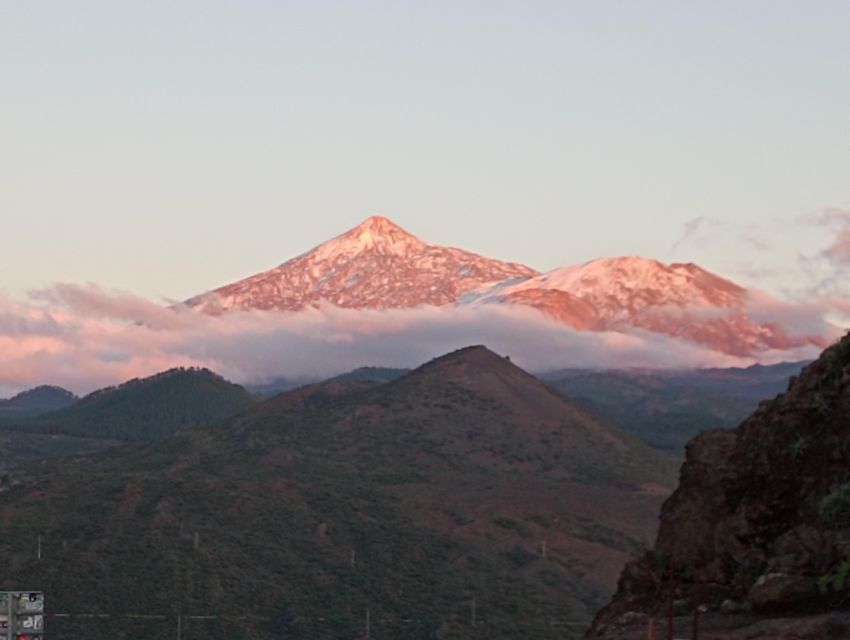
This hike is led by a live guide, and the trip runs in a small group (up to 6 participants). That matters because at high altitude, the main risk is not just getting tired—it’s moving too fast and letting the climb turn stressful.
From the details and the way the experience is described, the guide’s role is practical:
- You get a safety briefing before you start
- You receive gear that helps on the dark and rocky sections (headlamp, poles, gloves)
- You’re expected to use a steady pace and stop when needed
- You’re not left alone to figure out the trail and the environment
Language options include English, Spanish, Hungarian, and Romanian, which helps if you’re trying to understand what you’re seeing while your body is working hard.
I also like that the guide’s knowledge is part of the hike, not an afterthought. Reviews highlight explanations about volcanic features and the night sky, which is perfect for Teide—this mountain rewards people who look up as much as they look down.
From Volcanic Rocks to the Summit: What Happens on the Way Up
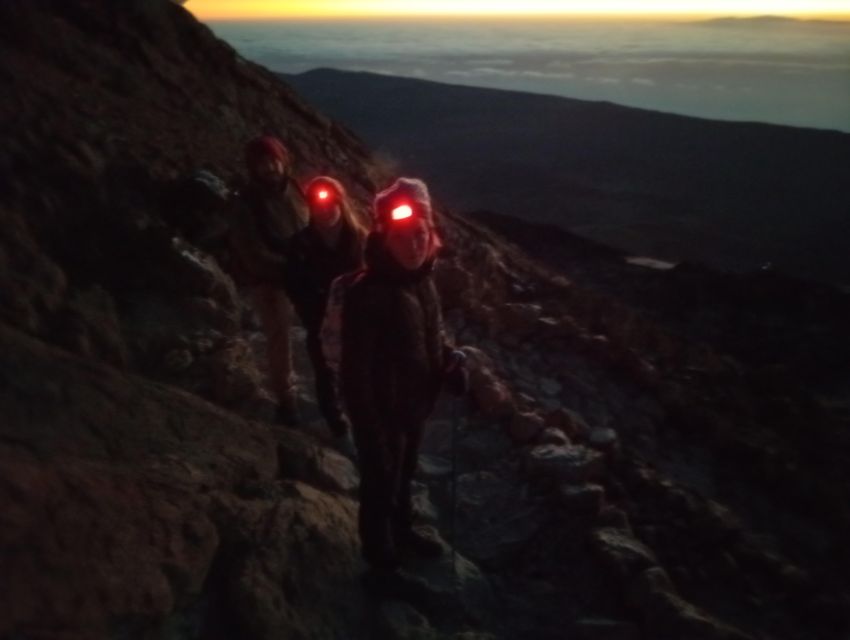
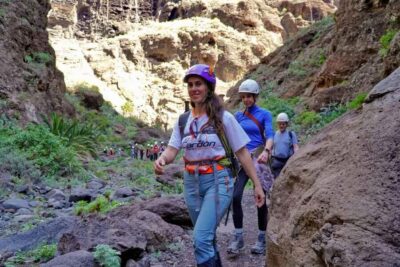
Your day starts at the car park near the Teleferico del Teide. After materials and a brief check, you’ll begin the climb. Early on, the terrain can feel “strange” in a good way—volcanic rock shapes, minimal vegetation, and an environment that looks shaped by forces much bigger than walking shoes.
As you climb, you stop multiple times to observe things like authentic flora and fauna, plus volcanic formations. Those pauses can be more than sightseeing; they help your breathing and give you time to adjust your pace before the slope steepens or the altitude starts to bite.
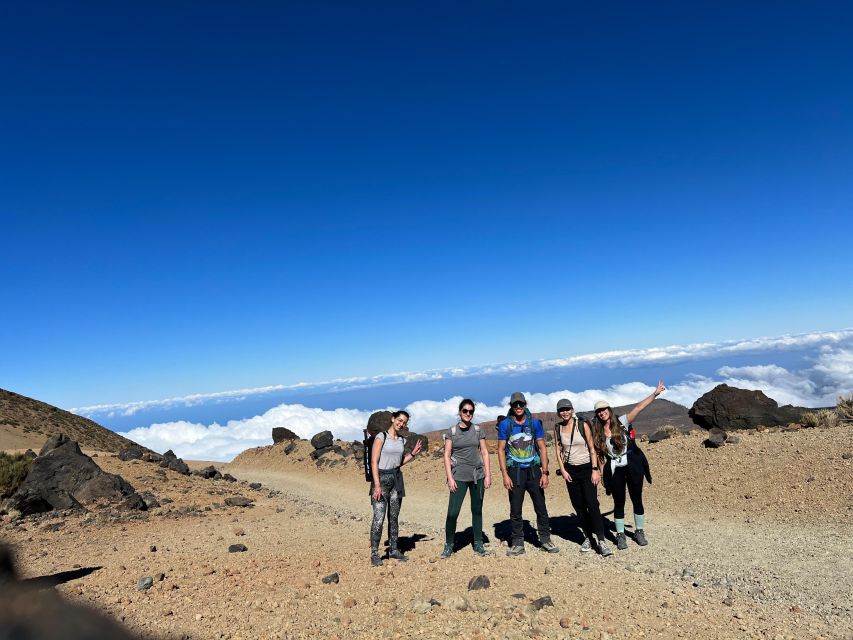
Then comes the top. At El Teide, you get the kind of panoramic views that make the hard parts feel worth it. You’re looking out across Tenerife and, when visibility is good, you can spot several of the Canary Islands: Gran Canaria, La Gomera, El Hierro, and La Palma, plus the Atlantic Ocean. That wide island view is one reason this hike isn’t just for hikers—it’s for anyone who likes scale.
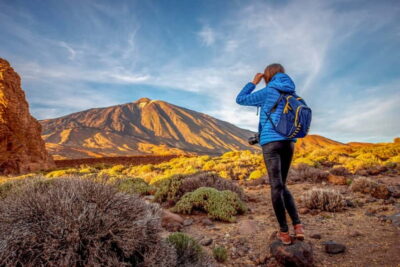
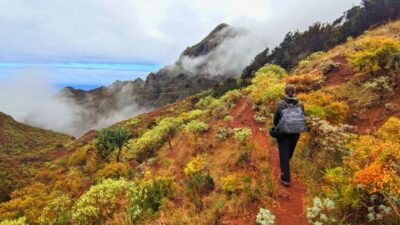
More trails, from Teno to the Teide peak
The Descent Choice: Cable Car Wind Rules vs. Walking 20 km
The tour’s payoff continues after the summit. Next, you’ll head to the cable car for the descent if it’s running.
Here’s the key detail you need before you book: the cable car ticket is not included. It costs 22 EUR per person. And it only operates under good weather conditions—specifically when wind is under 35 km/h.
So what if the cable car doesn’t run? You’ll walk down on foot. In that case, the total distance can become about 20 km, because you’re adding the descent rather than relying on the lift. That’s not a small change at altitude—your legs will feel it.
My advice: treat the cable car like the best-case scenario, not the guarantee. If you’re physically okay with the idea of a longer day and you bring enough water and snacks, you’ll be able to handle either option with less stress.
Price and Value: What You Pay for at $175 (and What Costs Extra)
At around $175 per person, you’re paying for more than a hike. You’re paying for a guided climb plus access logistics that are hard to assemble on your own:
- Tour guide
- Headlamp, walking poles, and gloves
- Permit to the peak and the trails of El Teide
- Insurance for the hike
That’s real value because the permit and safety planning are baked into the experience. Instead of spending your mental energy on figuring out access rules, you’re focused on climbing, staying warm, and moving at the right pace.
The main extra cost is the cable car ticket (22 EUR per person), and that can become more important if weather doesn’t cooperate and you’re walking down instead. Also note that hotel pickup and drop-off aren’t included, so you’re responsible for getting yourself to the meeting area near the cable car parking.
When I look at the overall structure, this feels like good value for a guided, high-altitude summit hike—especially because small-group size (max 6) tends to mean more attention per person.
What to Bring (and What to Avoid) for a Teide Summit Day
This trip is won or lost on preparation. The environment is cold and high, and the ground can be unforgiving, so your goal is comfort, warmth, and steady energy.
Bring:
- Hiking shoes (and long pants) that handle rocky ground
- Sunscreen and sunglasses (yes, even when it’s cold)
- Water: aim for 2–3 liters, plus food you can actually eat while you’re climbing
- A jacket and thermal clothing for summit and waiting conditions
- A charged smartphone (for photos and for navigation support, if you use it)
- Passport or ID card (a copy is accepted)
- Waterproof shoes and personal medication
You’ll also want to wear comfortable clothes that you can layer. The provided gear includes headlamp, walking poles, and gloves, but clothing is still on you—think warmth and mobility.
Leave behind:
- Pets and large luggage
- Drones and bikes
- Alcohol and drugs
- Anything that increases risk or slows down the group
- Bare feet, of course
If that sounds strict, it is. But high-altitude areas don’t tolerate careless choices. This is the kind of tour that’s trying to keep everyone safe and moving.
Who Should Book This Teide Summit Hike (and Who Should Skip It)
This hike is for people in good physical condition. It’s a steady climb to over 3,700 meters, and even with a guided pace, the altitude can still feel intense.
It’s not suitable for:
- Pregnant women
- People with back problems or mobility impairments
- People with heart problems or respiratory issues
- People with epilepsy
- People who have a cold
- People with haemophilia
- People with recent surgeries
- People with motion sickness
If any of those apply to you, skip this one and look for a lower-elevation option.
For the right person, this makes a lot of sense. You’ll probably enjoy it most if you like early starts, don’t mind walking 10 km up (and possibly another 10 km down), and want a guided experience that includes real environmental observations—not just summit bragging rights.
Should You Book This Guided Mount Teide Summit Hike?
Book it if you want a guided route to the summit of Spain’s highest peak, timed for sunrise, with permit access and the right gear included. The small-group size, the safety briefing, and the fact that you’re learning about volcanic features and the night sky make it more than a “just walk uphill” activity.
Skip it if you’re not comfortable with high altitude effort, cold conditions, or the possibility of a longer day if the cable car doesn’t run due to wind. Also skip if you fit any of the health categories listed as not suitable.
If you do book, plan for the worst-case descent: bring the water and calories as if you’ll be walking down. Do that, and you’ll be set up for a strong day—sunrise views included.
FAQ
Where do I meet for the Mount Teide hike?
You meet in the car park of the Teleferico del Teide (the cable car). The provided starting location is 793H+X7 Paradores Cañadas del Teide.
How long is the hike?
The duration is listed as 7 hours.
How far is the hike and how much elevation do you gain?
It’s about 10 km with around 1,500 meters of positive elevation to the summit.
Is the cable car ticket included in the price?
No. The cable car ticket costs 22 EUR per person and is not included.
When does the cable car run?
The cable car works only in good weather conditions, when wind is less than 35 km/h.
What happens if the cable car is not running?
If the cable car isn’t running, you will walk down on foot. In that case, the total distance becomes about 20 km.
What’s included in the tour price besides the guide?
The tour includes headlamp, walking poles, and gloves, plus a permit to the peak and the trails of El Teide. Insurance for the hike is also included.
What languages is the live guide available in?
The guide is listed as available in English, Spanish, Hungarian, and Romanian.
What should I bring to be comfortable at altitude?
Bring hiking shoes, sunscreen, sunglasses, a jacket and thermal clothing, enough food and water (2–3 liters is recommended), long pants, and a charged smartphone. You should also bring your passport or ID card (a copy is accepted) and any personal medication.
Who is this tour not suitable for?
It’s not suitable for pregnant women, people with back problems, mobility impairments, heart problems, respiratory issues, epilepsy, a cold, haemophilia, recent surgeries, or motion sickness.
More Tour Reviews in Tenerife
- Siam Park Entry Tickets
★ 4.5 · 15,710 reviews - Tenerife: Eco-Yacht Whale and Dolphin Watching and Swimming
★ 4.7 · 15,619 reviews - Los Cristianos Respectful No-Chase Whale and Dolphin Safari
★ 4.6 · 12,782 reviews - Tenerife: Loro Parque Entry Ticket
★ 4.8 · 12,411 reviews - Loro Parque and Siam Park Combined Admission Tickets
★ 4.7 · 7,307 reviews
More Tenerife Trails
- Tenerife: Mount Teide Summit Hiking Adventure with Cable Car
★ 4.3 · 688 reviews - From South Tenerife: Mount Teide Hiking Day Trip & Cable Car
★ 4.8 · 482 reviews - Tenerife: Anaga Mountains & Enchanted Forest Hiking Tour
★ 5.0 · 303 reviews - Tenerife: Hike Above Masca in Enchanted Forest with Pick-up
★ 4.9 · 294 reviews - Tenerife Barranco de Masca: Guided hike + boat ride + transport
★ 4.5 · 258 reviews
Teide, a Few More Ways Up
- Tenerife: Mount Teide Tour with Cable Car Ticket & Transfer
★ 4.3 · 5,094 reviews - Tenerife: Teide National Park Sunset & Stargazing Tour
★ 4.2 · 3,812 reviews - Tenerife: Sunset and Stargazing at Teide National Park
★ 4.7 · 2,826 reviews - Teide National Park Sunset & Stargazing with Dinner (Star Safari)
★ 5.0 · 2,601 reviews - Teide National Park: Sunset & Stargazing Safari with Dinner
★ 4.6 · 2,115 reviews
Just Added: Fresh Tenerife Reviews

Mount Teide & Cable Car, compared.
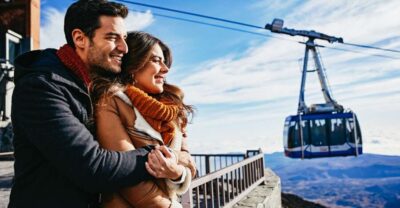 ★ 4.3Mount Teide Tour with Cable Car Ticket & TransferFrom $1025,094 reviews
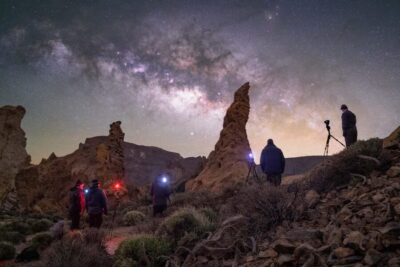 ★ 4.2Teide National Park Sunset & Stargazing TourFrom $473,812 reviews
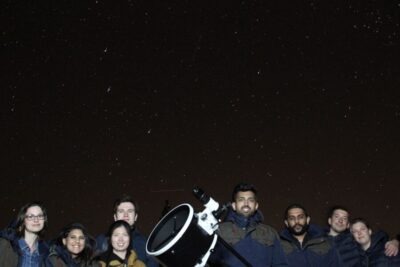 ★ 4.7Sunset and Stargazing at Teide National ParkFrom $472,826 reviews
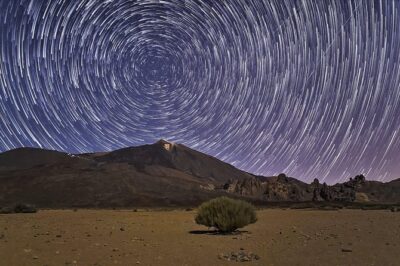 ★ 5.0Teide National Park Sunset & Stargazing with Dinner (Star Safari)From $952,601 reviews
 ★ 4.6Teide National Park: Sunset & Stargazing Safari with DinnerFrom $652,115 reviews
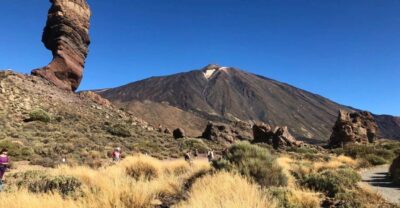 ★ 4.5Mount Teide, Masca, Icod and Garachico Day TripFrom $652,065 reviews
 ★ 4.5Teide National Park Full-Day Tour with PickupFrom $661,613 reviews
 ★ 4.5Teide by Night: Sunset & Stargazing with Telescopes ExperienceFrom $1071,492 reviews
Browse the lists this tour appears in