
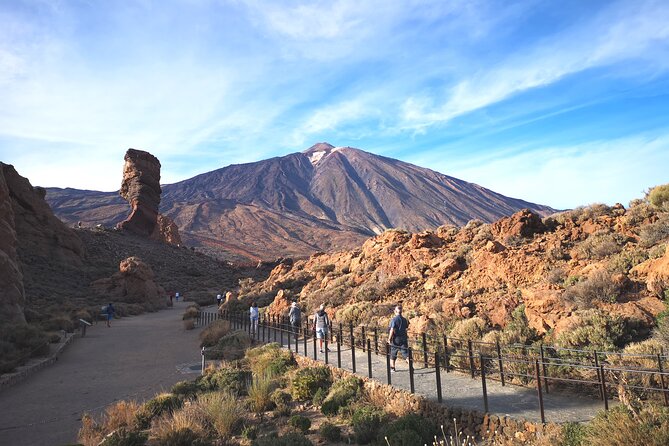
Reviewed · MOUNT TEIDE & CABLE CAR
Small Group Teide National Park Volcanic and Forest Wonders
Teide looks unreal, up close. This small-group tour stitches together Vilaflor’s village height, pine-forest overlooks, and Teide-area lava scenery over a half day. You’ll get hotel pickup in the south, plus English guiding from a team that clearly loves the volcano story.
I especially like the pace: short stops where you can actually look, take photos, and ask questions, then a bit of breathing room at the bigger viewpoints. Second, I like that the guiding connects the dots—how Tenerife grew, why the rocks look the way they do, and what you’re seeing from spots like Boca Tauce and Roques de García.
One thing to consider: this is a “go-go-stop” day on mountain roads, and it depends on good weather for the views. If you want a slow hike or a guaranteed summit walk, this tour may feel a bit too efficient.
In This Review
- Key things I’d prioritize before you go
- Vilaflor (about 1,500m): the calm start that helps you adjust
- El Pino Gordo and the Vilaflor mirador: old trees, big views
- Boca Tauce: where lava ages show up in the rock itself
- Queen’s Shoe: a rock name you’ll remember (and want to photograph)
- Los Roques de García: the Teide highlight for most people
- Pico Viejo viewpoint: second-highest peak and real eruption facts
- Mirador de los Poleos: volcanic rock meets islands on the horizon
- Mirador de Chirche: the westward wrap-up (plus a coffee option)
- What the small-group format really changes (and what it doesn’t)
- Price check: what $78.64 buys you in real-world value
- Morning vs sunset: choose based on what you want to feel
- What to bring so the day feels easy
- Is this the right tour for you?
- Should you book Tenerife Stars for Teide National Park?
- FAQ
- How long is the Teide National Park small group tour?
- What is the group size?
- Is hotel pickup included?
- Does the tour include the Teide Cable Car?
- Are drinks and snacks provided?
- What languages is the tour offered in?
- Are there admission fees for the stops?
- What time of day does the tour run?
- What happens if the weather is poor?
- Is this tour suitable for most people?
Key things I’d prioritize before you go
- Up to 8 people means easier conversations and less time stuck with the back of a group.
- Hotel pickup in South Tenerife makes the morning (or sunset) simpler.
- Nine sight stops focus on viewpoints and rock formations, not long bus drives.
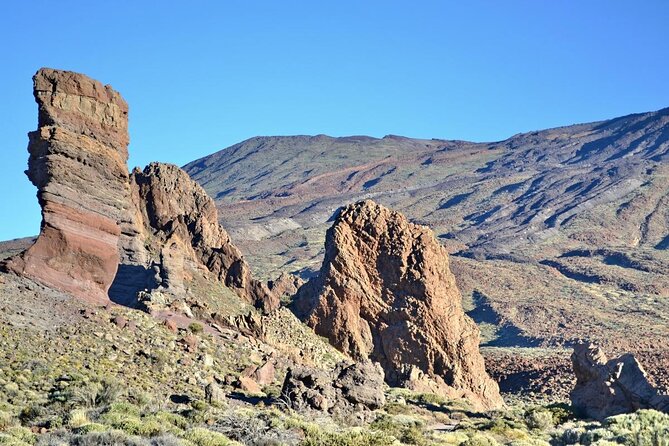
- Roques de García is the big payoff: lunar-looking lava and bizarre rock shapes.
- Pine + volcano is the theme, from Vilaflor’s altitude to the scent of the forest at overlooks.
- Teide Cable Car isn’t included, so you’re seeing Teide from viewpoints rather than riding up.
Other ways up the volcano, side by side
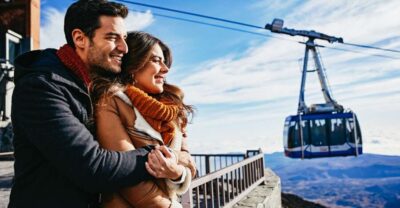
- Tenerife: Mount Teide Tour with Cable Car Ticket & Transfer★ 4.3 · 5,094 reviews
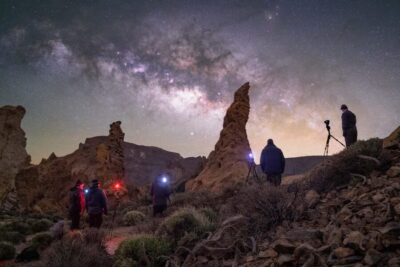
- Tenerife: Teide National Park Sunset & Stargazing Tour★ 4.2 · 3,812 reviews
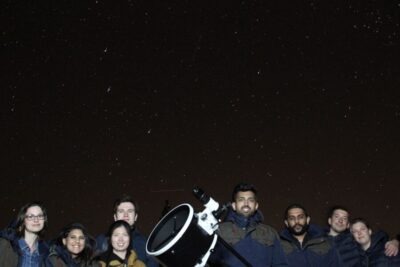
- Tenerife: Sunset and Stargazing at Teide National Park★ 4.7 · 2,826 reviews
- Teide National Park Sunset & Stargazing with Dinner (Star Safari)★ 5.0 · 2,601 reviews
Vilaflor (about 1,500m): the calm start that helps you adjust
The tour’s morning energy starts gently in Vilaflor, a town perched around 1,500 meters. You’ll get about 40 minutes here, enough time to stroll the town center, pause at the square, and then grab a coffee or sweet treat at a local cafeteria.
This first stop matters more than it sounds. You’re climbing in altitude, and Vilaflor is the friendly on-ramp. By the time you’re up in the Teide area, your body usually feels less surprised. If you’re sensitive to altitude, this pacing helps.
Practical tip: this is where I’d slow down and take in the shift in air. Wear something light but not fragile—mountain weather can change quickly, and you don’t want to be stuck with one layer you can’t adjust.
El Pino Gordo and the Vilaflor mirador: old trees, big views
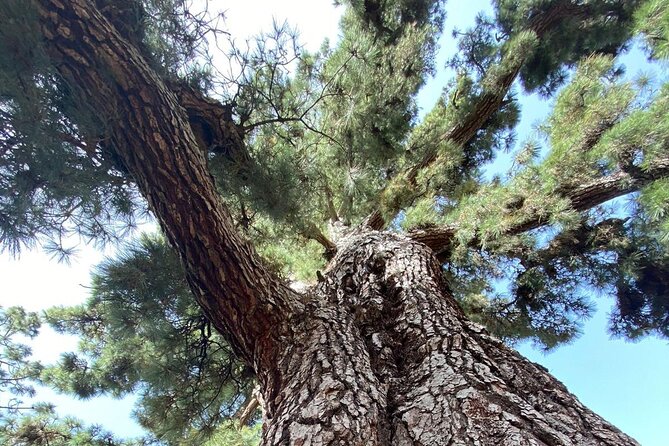
Next comes El Pino Gordo, a viewpoint for one of the oldest Canary pine trees on the island. The guide points out why it’s special—thick trunk, tall reach, and the sheer age suggested by how it has endured in volcanic terrain. You get around 15 minutes here, with plenty of time to frame photos without rushing.
Then you move to Mirador de Vilaflor for a quick but satisfying overlook. From here you can see the east side of Tenerife, including Gran Canaria, and sweep across the south-east region from the South Airport area toward Los Cristianos. The best part isn’t only visual: you’ll also catch the pine-forest smell as you stand there.
Why this works: it gives you context before the “Mars” rocks show up. You understand Tenerife isn’t just lava and cliffs. It’s lava that got colonized—slowly—by life.
Timing note: the stop is only about 10 minutes, so keep your camera ready and don’t plan on doing a long walk around the viewpoint.
Boca Tauce: where lava ages show up in the rock itself
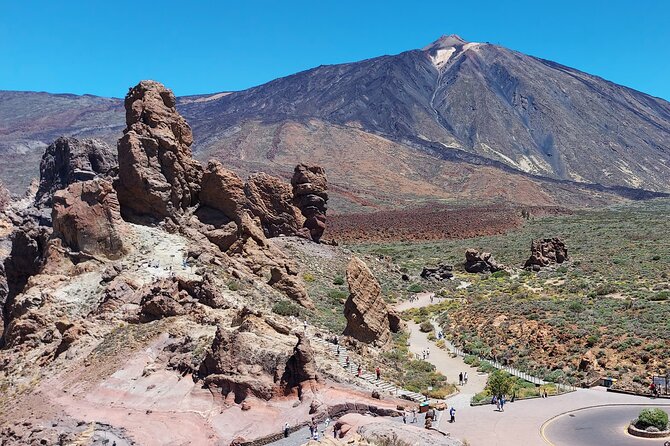
Mirador de Boca Tauce is short on time (about 10 minutes), but it’s where the tour starts feeling more like geology than sightseeing. You’re in the Teide National Park environment, surrounded by lava materials from different ages. The guide uses those differences to explain what shaped Tenerife over time.
You’ll also get one of those classic pairings: views of Teide alongside Pico Viejo. Standing there, it clicks. Teide isn’t just a single cone you see in photos. It’s part of a bigger volcanic system with neighbors that tell their own part of the story.
One drawback at this stop: because it’s brief, you’ll want to watch your footing and keep your attention on what the guide is describing. This is not the stop for deep wandering.
Queen’s Shoe: a rock name you’ll remember (and want to photograph)
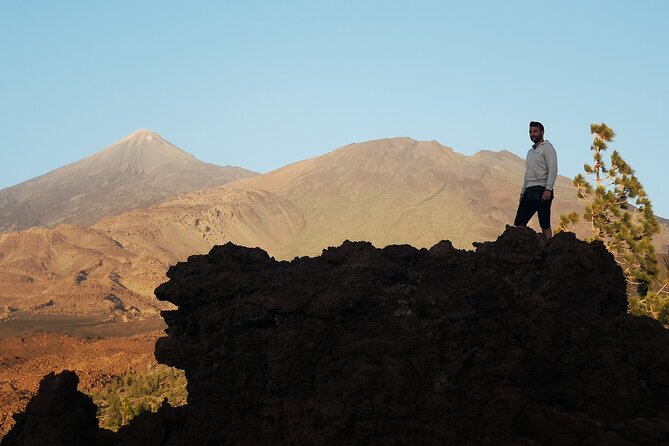
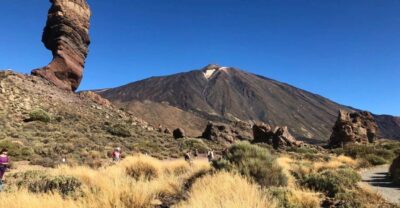
After Boca Tauce, you’ll hit the Queen’s Shoe area for about 15 minutes. The guide points out the rock formation called Queen’s Shoe—shaped over thousands of years by extreme climates and time, into a form that resembles a high-heel shoe.
It’s a quick stop, but it’s one of the most memorable because it has that “how is that even real?” visual. Even if you’re not a geology person, you’ll probably feel drawn to it.
Pro move: keep your lens handy and try a couple angles. Rock formations look different depending on light, and cloud cover can make the edges pop or disappear fast.
Los Roques de García: the Teide highlight for most people
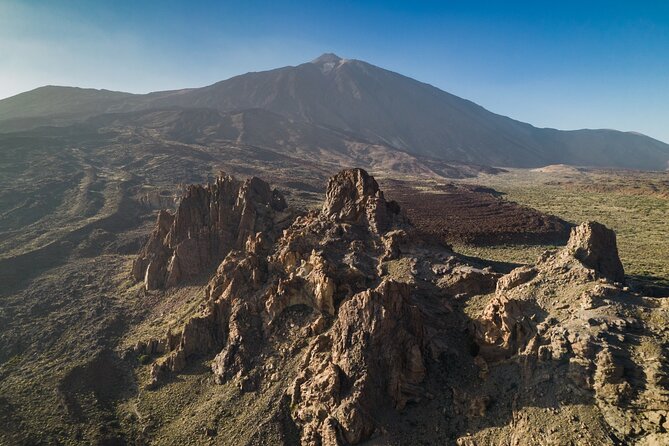
If I had to pick one stop that most strongly delivers, it’s Los Roques de García. You’ll get about 1 hour here, and it’s easy to see why it’s often the headline. The terrain looks lunar and bizarre: lava landscapes, sharp rock shapes, and that feel of being on another planet.
The name Roques de García is attached to the most photographed rocks in this part of Teide National Park. You can walk around, discover the formations at your own pace, and stop for a drink or simply relax on a terrace near the cafeteria.
This is also where the small-group format pays off. With fewer people, you can drift toward better sight lines without getting herded. You can linger at the shapes that catch your eye instead of moving exactly when the schedule says so.
What to watch for: wear shoes with grip. The ground can be uneven, and if you linger for photos, you’ll likely step on surfaces that look steady but aren’t.
Pico Viejo viewpoint: second-highest peak and real eruption facts
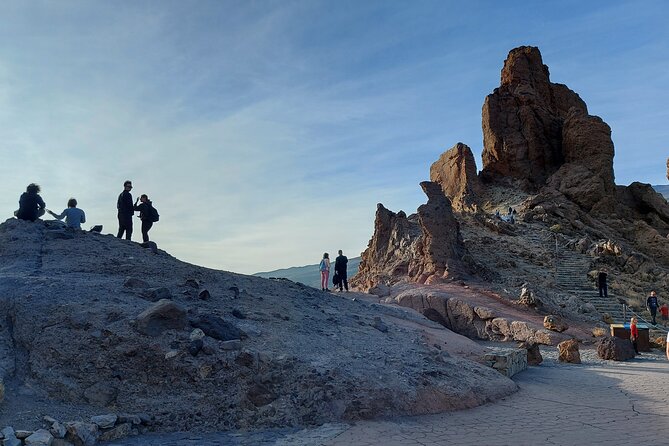
Next is Pico Viejo, with about 20 minutes here. You’ll be looking at the second highest peak in the Canary Islands, rising to 3,135 meters. The guide also shares the eruption story tied to Pico Viejo—last erupted in 1798, ejecting about 12 million cubic meters of black lava over 92 days.
It’s also described in a striking way: referred to as the noses of Teide. Whether you think of it as “noses” or just a volcanic peak, it’s the kind of detail that makes the whole Teide discussion feel more grounded.
You’ll also get a view toward La Gomera from this side. That’s a big part of why the stop is worth it: the volcano talk isn’t trapped inside Teide’s walls. You also see how Tenerife fits into the wider island chain.
Quick consideration: the viewpoint time is short. If you want a longer stare and more photos, use your minutes well—take wide shots first, then come back for tight details.
Mirador de los Poleos: volcanic rock meets islands on the horizon
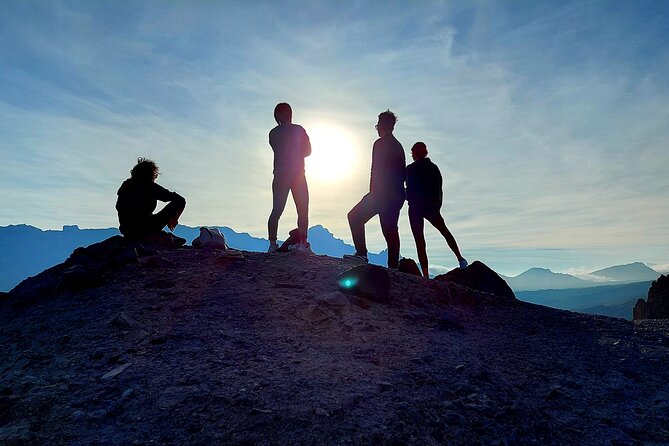
Mirador de los Poleos is one of the final viewpoint stops and offers sweeping panoramas. From here you can see La Gomera, La Palma, and El Hierro in favorable conditions, along with volcanic-material terrain where pine trees grow through the rock.
The guide connects these pines to the bigger volcanic timeline, pointing out how eruptions like the Chinyero event shaped what you see now. Even if you’re not tracking dates like a student, this kind of explanation turns the scenery into a timeline you can understand.
You’ll have about 15 minutes. In that time, you should do two things: pick one direction to shoot wide (islands), and then pivot to the ground level where the pine roots and lava surfaces show the “how.”
Mirador de Chirche: the westward wrap-up (plus a coffee option)
The final viewpoint stop is Mirador de Chirche, about 15 minutes. You’ll look across the west side of Tenerife—seeing as far as Adeje, Los Gigantes, and the Teno mountains. Again, La Gomera and La Palma can show up, depending on visibility.
If you’d like a caffeine finish, there’s also the option to grab coffee or a snack at a nearby cafeteria. After this, you head back toward the motorway and your hotel area, typically within 30–40 minutes.
This ending matters because it gives you a last “big picture” view. By the time you reach Chirche, you’ve already seen pines, cliffs, lava ages, and rock formations. Now you can put it all together from farther out.
What the small-group format really changes (and what it doesn’t)
This tour runs with a maximum of 8 travelers, and that size shift is noticeable in three ways.
First, it’s easier to ask questions without yelling across seats. If you’re curious about the volcano history or how the Canary Islands formed, you’ll actually get answers at the moment you need them.
Second, the stops can feel less rushed. You still have a schedule, but with fewer people you can get your bearings fast, take photos without a bottleneck, and step away for a quick look when the guide points something out.
Third, the group stays flexible in the small ways that matter—like adjusting to what the light is doing at a viewpoint. You don’t control the weather, but you do get more chances to benefit from it.
What it doesn’t change: this is still a half-day itinerary with short stops by design. If you want long walking routes or a full-day deep hike, you’d likely feel shorted.
Price check: what $78.64 buys you in real-world value
At $78.64 per person for a 4 to 5 hour half-day, the value comes from concentration.
You’re not paying for hours of driving across the island. You’re paying for:
- a focused route through Teide National Park highlights,
- English guiding,
- an air-conditioned vehicle,
- and pickup/drop-off from South Tenerife.
Also, most stops are listed with admission as free, which helps your total cost. The one big add-on you might consider is the Teide Cable Car, which isn’t included. If your goal is to reach higher on Teide via the cable car, you’ll need to budget for that separately.
The other cost you should plan for is simple: coffee and snacks. The tour doesn’t include those, and on mountain days, grabbing a drink can keep your energy steady—especially if you’ll spend time wandering at Roques de García.
Overall, it’s a fair price when you want a “best-of Teide” day without the hassle of arranging transfers and figuring out viewpoints on your own.
Morning vs sunset: choose based on what you want to feel
You can join either a morning or sunset departure, and that changes the mood more than you might expect.
Morning tends to feel clearer for island-hopping views and rock detail. You might get sharper contrast at places like Queen’s Shoe and Roques de García, which makes photography easier.
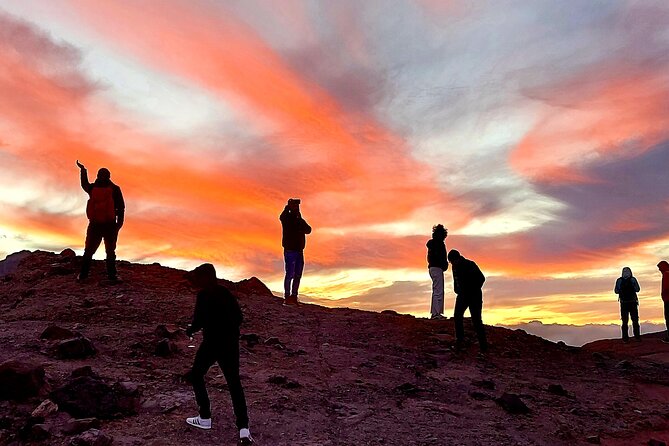
Sunset tends to feel more dramatic. The national park and volcanic silhouettes catch warmer light, and the guide’s talk about volcanic formation can feel extra cinematic. One practical point from what people say: if you choose sunset and you’re sensitive to cold, bring a layer. Higher altitude can feel chilly even when the lower coast is warm.
If you’re torn, pick based on your energy level. Morning is straightforward and efficient; sunset is more atmospheric and often more crowd-pleasing if you love views fading into the horizon.
What to bring so the day feels easy
Even with short stops, this is still a day on uneven mountain surfaces and shifting temperatures.
I recommend:
- Comfortable shoes with grip (some ground can be rough).
- Layers you can add or remove quickly.
- Sunglasses (high-altitude light can be sharp).
- A bottle of water or plan to buy a drink at stops with cafeterias.
You’ll be outside a lot, and the tour moves through altitude and terrain fast. Being prepared is what turns it from “okay” into genuinely fun.
Is this the right tour for you?
This small-group Teide tour is a strong match if you:
- want a guided route that covers major Teide viewpoints without renting a car,
- like geology and island history but still want plenty of photo time,
- enjoy small-group travel and conversation with the guide.
It’s less ideal if you:
- want a slow, long hike,
- expect the cable car included,
- or need totally predictable timing regardless of weather.
One more tip: many people rave about guides who mix facts with humor and keep the energy upbeat. Names like Ossi and Ozzie come up often, and their style can make the geology feel human instead of lecture-like. If you’re also into astronomy, ask about their other Mt Teide stargazing options, since it’s a natural pairing after sunset viewpoints.
Should you book Tenerife Stars for Teide National Park?
Yes, if your goal is a high-value half day that makes Teide make sense. The route focuses on viewpoints that give you both the pine-and-volcano context and the “Mars” rock moments, with enough time to enjoy stops rather than sprint through them.
Book it especially if you’re staying in South Tenerife and want pickup without stress. Just go in knowing what it is: a guided highlight circuit with short to medium stops, depending on conditions, and no cable car included.
If you want, tell me when you’re traveling and whether you prefer morning or sunset, and I’ll help you choose the best option based on your priorities (views, photography, comfort, or pacing).
FAQ
How long is the Teide National Park small group tour?
It runs about 4 to 5 hours.
What is the group size?
The maximum group size is 8 travelers.
Is hotel pickup included?
Yes, pickup is included from hotels and locations in the south region of Tenerife. Other pickup locations may cost extra or require contacting the provider.
Does the tour include the Teide Cable Car?
No, the Teide Cable Car is not included.
Are drinks and snacks provided?
Coffee and/or tea and snacks are not included, though there is a cafeteria available at some stops.
What languages is the tour offered in?
The tour is offered in English.
Are there admission fees for the stops?
The stops listed in the itinerary show admission ticket free for each location.
What time of day does the tour run?
There are morning and sunset departure options.
What happens if the weather is poor?
The experience requires good weather. If it’s canceled due to poor weather, you’ll be offered another date or a full refund.
Is this tour suitable for most people?
Most travelers can participate. Service animals are allowed.
More Tour Reviews in Tenerife
- Siam Park Entry Tickets
★ 4.5 · 15,710 reviews - Tenerife: Eco-Yacht Whale and Dolphin Watching and Swimming
★ 4.7 · 15,619 reviews - Los Cristianos Respectful No-Chase Whale and Dolphin Safari
★ 4.6 · 12,782 reviews - Tenerife: Loro Parque Entry Ticket
★ 4.8 · 12,411 reviews - Loro Parque and Siam Park Combined Admission Tickets
★ 4.7 · 7,307 reviews
Teide, a Few More Ways Up
- Tenerife: Mount Teide Tour with Cable Car Ticket & Transfer
★ 4.3 · 5,094 reviews - Tenerife: Teide National Park Sunset & Stargazing Tour
★ 4.2 · 3,812 reviews - Tenerife: Sunset and Stargazing at Teide National Park
★ 4.7 · 2,826 reviews - Teide National Park Sunset & Stargazing with Dinner (Star Safari)
★ 5.0 · 2,601 reviews - Teide National Park: Sunset & Stargazing Safari with Dinner
★ 4.6 · 2,115 reviews
Just Added: Fresh Tenerife Reviews

Mount Teide & Cable Car, compared.
 ★ 4.3Mount Teide Tour with Cable Car Ticket & TransferFrom $1025,094 reviews
 ★ 4.2Teide National Park Sunset & Stargazing TourFrom $473,812 reviews
 ★ 4.7Sunset and Stargazing at Teide National ParkFrom $472,826 reviews
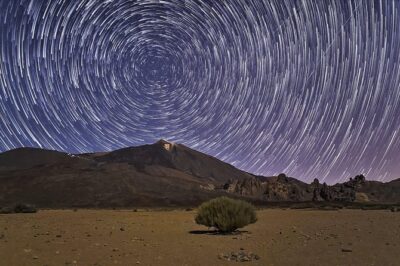 ★ 5.0Teide National Park Sunset & Stargazing with Dinner (Star Safari)From $952,601 reviews
 ★ 4.6Teide National Park: Sunset & Stargazing Safari with DinnerFrom $652,115 reviews
 ★ 4.5Mount Teide, Masca, Icod and Garachico Day TripFrom $652,065 reviews
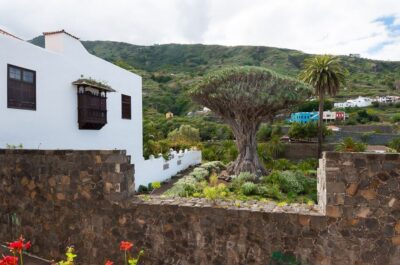 ★ 4.5Teide National Park Full-Day Tour with PickupFrom $661,613 reviews
 ★ 4.7Quad Adventure Tour in Teide National ParkFrom $941,492 reviews
Browse the lists this tour appears in