
Reviewed · MOUNT TEIDE & CABLE CAR
Skip the Line: Teide Observatory Entrance Ticket
A good space fix starts at 2,400 meters. This Teide Observatory visit pairs a guided, expert-led solar and night-telescope look with real science in plain language, and I love the chance to view sunspots and solar flares through the solar telescopes. The main drawback? The altitude is no joke, so it’s not for everyone with breathing, heart, or anemia-type issues.
You’ll meet your guide at the Observatory and follow a behind-the-scenes route that includes a workshop at the visitor centre and time at the Izaña area for big views toward Teide National Park. It’s also a solid pick for families—just not for the very young, since children under 8 aren’t included.
One more thing to keep in your head: tours run only when weather and telescope operating status cooperate. That means a plan with flexibility will save you stress if clouds, snow, ice, or road hazards show up.
In This Review
- Key highlights I’d plan around
- Why the Teide Observatory is a Tenerife astronomy must
- Skip-the-Line style entry: timing and where to meet
- The 1.5-hour guided route: visitor centre workshop to telescopes
- Sunspots and solar flares: what you’ll actually see
- Inside a nocturnal telescope: how it works and why it matters
- Izaña views over Teide National Park (and the altitude reality check)
- What to pack so the day feels easy, not annoying
- Price and value: is $25.31 worth it?
- Who this tour is best for (and who should reconsider)
- Weather and operating changes: how to plan smarter
- Should you book Skip-the-Line Teide Observatory entrance tickets?
- FAQ
- How long is the Teide Observatory guided visit?
- What do I need to bring since it’s at high altitude?
- Do I need to print a ticket?
- What languages are available?
- What can I see during the tour?
- Are kids welcome?
- What happens if weather is bad?
- Is the altitude safe for everyone?
- When should I arrive?
Key highlights I’d plan around
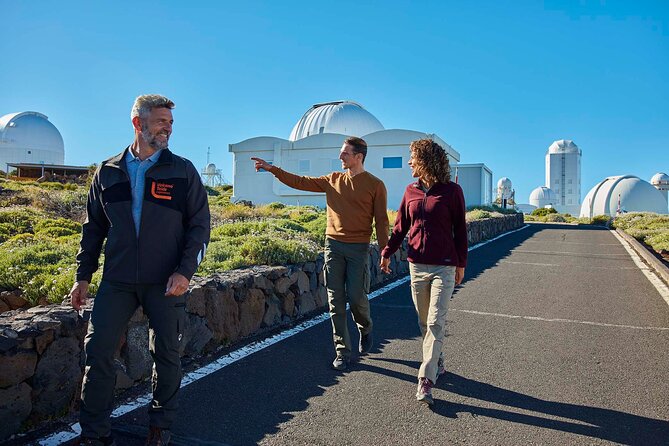
- 1.5-hour guided astronomy visit focused on daily research and what the telescopes actually do
- View sunspots and solar flares through the solar telescopes (weather-dependent)
- Workshop at the visitor centre explaining astrophysics and how researchers work
- Go inside a nocturnal telescope to understand how it functions and where its story fits
- Izaña area viewpoint with spectacular panoramas over Teide National Park
Other ways up the volcano, side by side
- Tenerife: Mount Teide Tour with Cable Car Ticket & Transfer★ 4.3 · 5,094 reviews
- Tenerife: Teide National Park Sunset & Stargazing Tour★ 4.2 · 3,812 reviews
- Tenerife: Sunset and Stargazing at Teide National Park★ 4.7 · 2,826 reviews
- Teide National Park Sunset & Stargazing with Dinner (Star Safari)★ 5.0 · 2,601 reviews
Why the Teide Observatory is a Tenerife astronomy must
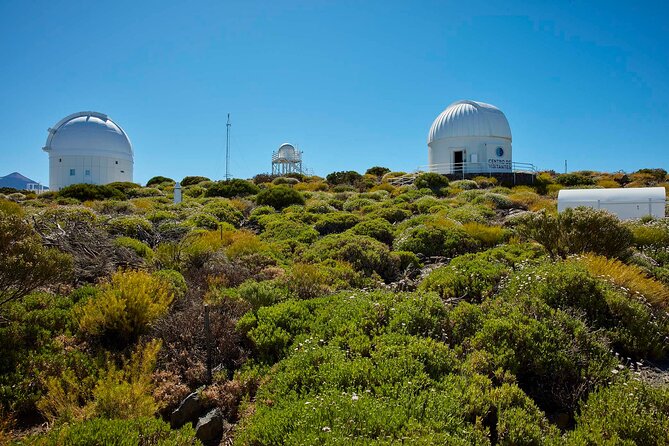
The Teide Observatory is famous for one simple reason: it helps researchers watch the Sun and the sky in a way most places just can’t match. Being on Tenerife at high elevation gives observing conditions that astronomers care about, and the tour is built to show you what that means in real life—not just as a postcard.
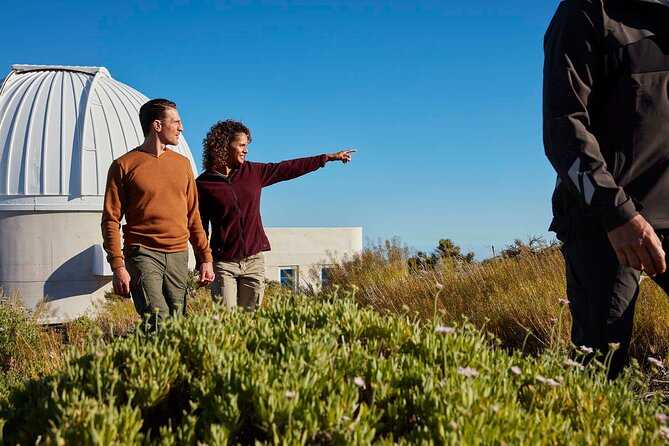
What I like is that the experience doesn’t stop at pointing at instruments. You get a guided walk through the mountaintop complex, plus a workshop that frames the work: what astrophysicists do every day, why monitoring solar activity matters, and how the Canary Islands Institute of Astrophysics fits into it all.
And yes, there are moments that feel close to science-fiction—especially when you see solar activity through the telescope. But the tour keeps it grounded. It’s about understanding what you’re looking at, not just collecting photos.
Skip-the-Line style entry: timing and where to meet
This is sold as an entrance ticket with a mobile ticket, so you don’t need to fuss with printing. Still, the practical win is time on the mountaintop: you’re expected to show up when your tour is scheduled, then move with the group.
Plan your arrival early. The meeting time is 30 minutes before the booked time, at the parking. That extra buffer matters because the site is at about 2,400 meters, and you’ll want a few minutes to get settled before the walking starts.
If you’re the independent type and think about driving yourself up for a guided visit, remember this rule: you must arrive at least 30 minutes before the scheduled start to join the guided portion.
The 1.5-hour guided route: visitor centre workshop to telescopes
The visit follows a clear rhythm: introduction and workshop first, then hands-on observing and close inspection of the telescopes.
At the start, your guide sets the context around the importance of the sky in the Canary Islands and the role of the Teide Observatory telescopes. You’ll also hear how the Canary Islands Institute of Astrophysics manages this solar observatory, and what kinds of projects are involved in monitoring.
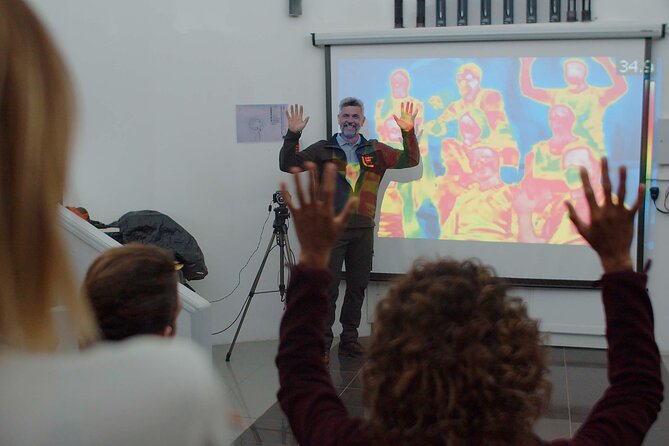
Next comes a workshop at the visitor centre where astrophysics is explained in visitor-friendly terms. This is where the tour earns its keep. Instead of treating the telescopes like sci-fi props, you learn the basic idea of what astrophysicists study and how their observing work connects to solar monitoring.
After that, the itinerary shifts to seeing. You observe sunspots and solar flares through the solar telescopes, and then you get to explore the inside of a nocturnal telescope—learning its functioning and even some of its exciting history.
By the end, you’re not just standing in the shadow of giant equipment. You understand what it’s for, what can and can’t be done on a given day, and why conditions on Tenerife matter.
Sunspots and solar flares: what you’ll actually see
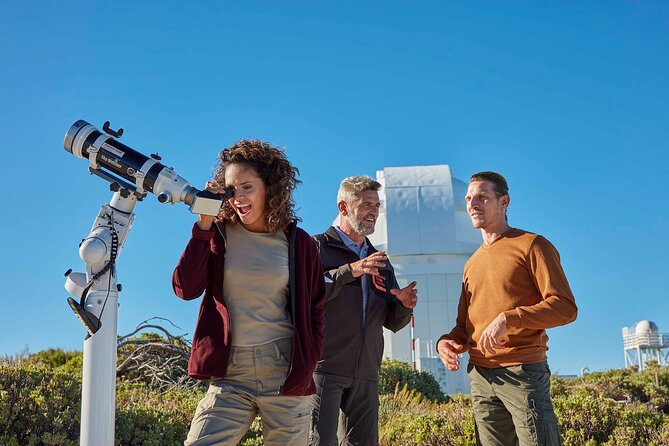
This is the headline moment for many people, and it makes sense. Looking at the Sun safely through specialized optics gives you a view of solar activity you don’t normally get anywhere close to home.
The tour is set up so you can observe sunspots and solar flares using the solar telescopes you’ll have at your disposal during the visit. What makes that valuable is the guide framing—so you’re not staring at a bright circle wondering what you’re supposed to notice.
One practical note: you’re at a mountain observatory, and the visit depends on operational status and weather. If skies or equipment conditions don’t cooperate, the exact viewing portion may not happen as expected. That’s not a reason to skip the experience—it’s a reason to plan with flexibility.
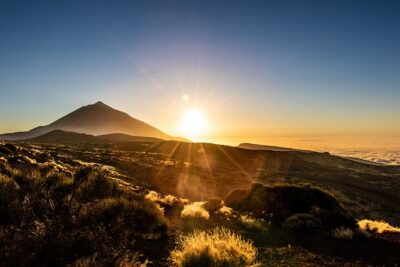
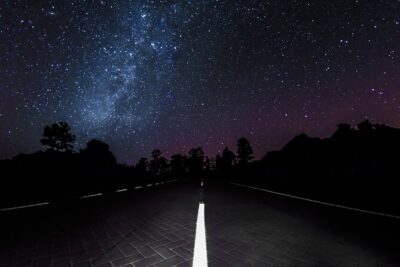
More nights out under the Teide sky
Inside a nocturnal telescope: how it works and why it matters
After the solar observing, you pivot to the night side of astronomy. The tour takes you inside a nocturnal telescope, where your guide explains functioning and shares its history.
This part can surprise people. Even if you’ve never used a telescope in your life, seeing the inside helps you understand how astronomy is built on engineering details: how light is gathered, how the instrument is structured for observation, and why the setup matters for results.
It’s a good contrast after the Sun segment. Solar viewing is about monitoring specific activity and changes; nocturnal astronomy expands the picture to different kinds of targets and observational goals.
And honestly, this is where a guided explanation pays off most. You’ll get more out of looking at a mechanism when someone explains why it’s shaped that way and how it supports the observing process.
Izaña views over Teide National Park (and the altitude reality check)
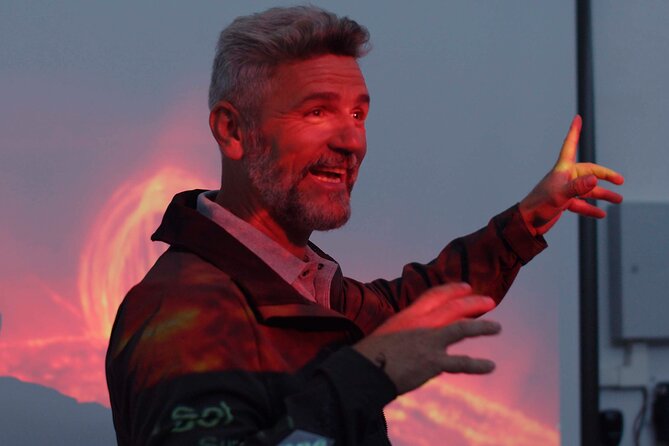
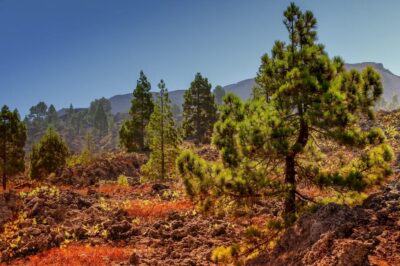
The tour ends with spectacular views over Teide National Park from the Izaña area. Even if clouds cover the sky for observing, the viewpoint can still deliver a memorable look at Tenerife’s volcanic setting.
Now the important part: the observatory sits around 2,400 meters. Oxygen levels are lower, and groups move around on gravel paths. That means two things for you: you need steady footing, and you may feel the altitude even if you’re in decent shape.
The tour isn’t recommended if you have general physical problems related to anaemia, cardio-pathologies, or respiratory problems. There’s also a clear warning that the closest hospital is about one and a half hours away by car, and there’s no medical assistance on site.
If you go, take the site seriously. Use common-sense altitude care: go slow on stairs and uneven ground, protect yourself from the sun, and keep hydrated. The low humidity can trick you into thinking you don’t need water.
What to pack so the day feels easy, not annoying
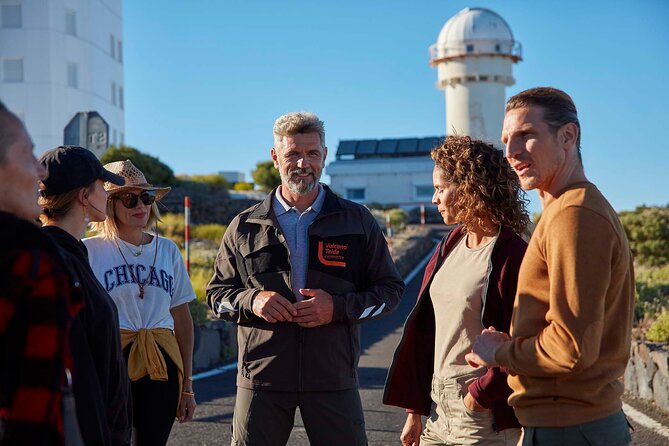
This is the kind of tour where what you wear and bring can make or break your comfort, mostly because weather can shift and you’ll be at elevation.
Bring:
- Water or juices to prevent dehydration
- Sun protection: hat, sunglasses, sunscreen
- Comfortable clothes and adequate footwear (avoid sandals)
- Warm layers in case conditions change, especially for interior telescope time
And watch for warning signs. If you notice dizziness, nausea, shortness of breath, ringing in your ears, plugged ears, or a headache during the visit, tell your guide right away.
If you’re thinking, I’ll tough it out, remember the altitude advice isn’t a scare tactic. It’s basic safety.
Price and value: is $25.31 worth it?
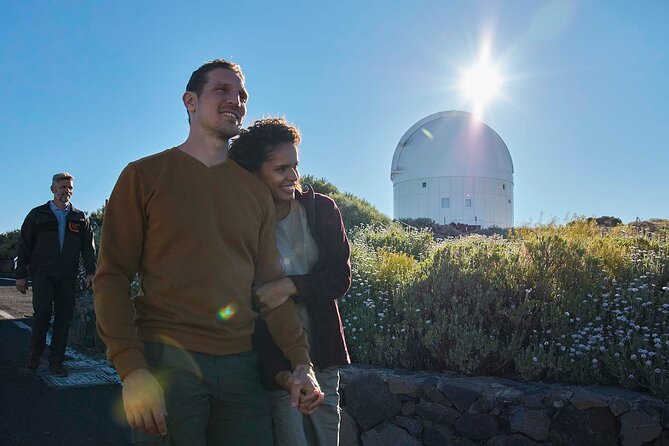
At about $25.31 per person, this isn’t a huge splurge for Tenerife. The real question is what you get for that money, and the answer is: a guided visit led by an expert astronomer, plus telescope access and structured time.
You receive:
- A guided visit of the observatory
- Access to solar and nocturnal telescope experiences as part of the program
- Time at the visitor centre workshop
The tour is about 2 hours total (approx.), and the guided portion is described as about 1.5 hours. That’s a good length for people who want something focused without losing a whole day to logistics.
Things not included (like food and beverages) are pretty normal for a tour of this kind, and you’ll likely want to plan your meal around travel time. The bigger “cost” isn’t the $25—it’s the opportunity cost of rescheduling if weather cancels operations.
Who this tour is best for (and who should reconsider)
This visit is family-friendly in spirit, and it’s described as great fun for families—but the program itself excludes children under 8. If you have school-age kids who can handle indoor telescope spaces and some walking on gravel at altitude, it can be a memorable science outing.
It also fits:
- Adults who like guided explanations, not just entry tickets
- Curious travelers who want to understand solar monitoring and research work
- Anyone visiting Tenerife for the Teide area who wants something more than hikes and views
You should reconsider if you have altitude-sensitive health concerns or mobility limits. The tour notes that you should consult a doctor if you’re unsure, and it’s not recommended for certain medical conditions.
If your group has a mix of fitness levels, build in extra patience. Gravel paths and elevation can turn a short walk into a slow one fast.
Weather and operating changes: how to plan smarter
This is a weather-dependent experience. Visits are carried out only when weather and telescope operating status permit it, and winter can bring road hazards like snow, ice, and falling rocks. That’s why this tour can be cancelled unexpectedly.
If it gets cancelled, you’ll be offered either a different date or a full refund. It’s also available to cancel for free up to 24 hours in advance for a full refund, which is great if you’re building a flexible Tenerife plan.
My advice: book it with the rest of your days in mind. If you only have one day on Tenerife and it has tight connections, this is riskier. If you’ve got buffer time around the Teide area, you’ll sleep better.
Should you book Skip-the-Line Teide Observatory entrance tickets?
If you want a guided, telescope-focused look at solar research on Tenerife, I think this is a good booking. The experience is built around real observing moments—sunspots and solar flares through the solar telescopes—plus the “how it works” side of a nocturnal instrument and a workshop that makes the science understandable.
But don’t treat it like a sure thing. Plan for weather and for altitude comfort. Wear the right shoes, bring warm layers and water, and arrive 30 minutes early at the parking so you don’t lose time before the tour starts.
If you match the audience—curious, reasonably fit, and comfortable at elevation—this is the kind of Teide-area activity that turns into a story you’ll remember long after you leave the island.
FAQ
How long is the Teide Observatory guided visit?
The tour is listed as about 2 hours total. The guided visit portion is described as about 1.5 hours.
What do I need to bring since it’s at high altitude?
Bring water or juices, sun protection (hat, sunglasses, sunscreen), comfortable clothes, and adequate footwear (avoid sandals). Also pack warm clothes in case the weather changes, including for time spent entering the interior of telescopes.
Do I need to print a ticket?
You’ll receive a mobile ticket, so you don’t need to print it based on the information provided.
What languages are available?
Tours are offered in the chosen language: English, German, French, or Spanish.
What can I see during the tour?
You’ll get to observe sunspots and solar flares through the solar telescopes, explore the inside of a nocturnal telescope, and enjoy views over Teide National Park from the Izaña area.
Are kids welcome?
It’s described as great fun for families, but children under 8 years old are not included.
What happens if weather is bad?
Visits only run when weather and telescope operating status allow it. If the experience is cancelled due to poor weather, you’ll be offered a different date or a full refund.
Is the altitude safe for everyone?
The site is about 2,400 meters above sea level, where oxygen is lower. The tour is not recommended for people with anaemia, cardio-pathologies, or respiratory problems, and you should consult a doctor if you’re unsure. There’s no medical assistance on site, and the closest hospital is about one and a half hours away by car.
When should I arrive?
The meeting time is 30 minutes before the booked time, at the parking.
More Museums & Landmarks
- Tenerife: Loro Parque Entry Ticket
★ 4.8 · 12,411 reviews - Loro Parque and Siam Park Combined Admission Tickets
★ 4.7 · 7,307 reviews - Arona: Entry Ticket to Tenerife’s Jungle Park Zoo
★ 4.5 · 1,020 reviews - Tenerife: Siam Park All-Inclusive Entry Ticket
★ 4.7 · 915 reviews - Tenerife: Loro Parque & Siam Park Entry Ticket with Transfer
★ 4.6 · 732 reviews
More Stargazing on the Mountain
- Tenerife: Teide National Park Sunset & Stargazing Tour
★ 4.2 · 3,812 reviews - Tenerife: Sunset and Stargazing at Teide National Park
★ 4.7 · 2,826 reviews - Teide National Park Sunset & Stargazing with Dinner (Star Safari)
★ 5.0 · 2,601 reviews - Teide National Park: Sunset & Stargazing Safari with Dinner
★ 4.6 · 2,115 reviews - Teide by Night: Sunset & Stargazing with Telescopes Experience
★ 4.5 · 1,492 reviews
Teide, a Few More Ways Up
- Tenerife: Mount Teide Tour with Cable Car Ticket & Transfer
★ 4.3 · 5,094 reviews - Tenerife: Teide National Park Sunset & Stargazing Tour
★ 4.2 · 3,812 reviews - Tenerife: Sunset and Stargazing at Teide National Park
★ 4.7 · 2,826 reviews - Teide National Park Sunset & Stargazing with Dinner (Star Safari)
★ 5.0 · 2,601 reviews - Teide National Park: Sunset & Stargazing Safari with Dinner
★ 4.6 · 2,115 reviews
Just Added: Fresh Tenerife Reviews



Mount Teide & Cable Car, compared.
 ★ 4.3Mount Teide Tour with Cable Car Ticket & TransferFrom $1025,094 reviews
 ★ 4.2Teide National Park Sunset & Stargazing TourFrom $473,812 reviews
 ★ 4.7Sunset and Stargazing at Teide National ParkFrom $472,826 reviews
 ★ 5.0Teide National Park Sunset & Stargazing with Dinner (Star Safari)From $952,601 reviews
 ★ 4.6Teide National Park: Sunset & Stargazing Safari with DinnerFrom $652,115 reviews
 ★ 4.5Mount Teide, Masca, Icod and Garachico Day TripFrom $652,065 reviews
 ★ 4.5Teide National Park Full-Day Tour with PickupFrom $661,613 reviews
 ★ 4.7Quad Adventure Tour in Teide National ParkFrom $941,492 reviews
Browse the lists this tour appears in