
Reviewed · SANTA CRUZ & LA LAGUNA TOURS
Santa Cruz de Tenerife: walking tour with an expert local guide
Santa Cruz de Tenerife tells its story best on foot. This 2-hour walking tour threads together landmarks and neighborhood details in a way a self-guided stroll usually misses.
I especially love the way the route mixes food-market energy with major cultural stops like the Guimerá Theater. The other big plus is the focus on how the city actually defended itself in the past, so the streets make sense beyond postcard views.
One drawback to consider: if you booked with specific language expectations, double-check the day’s language setup. There’s at least one account of an English selection being run in Spanish only, and that can change how much you enjoy the commentary.
In This Review
- Key things you’ll notice on this walk
- Walking Santa Cruz with a local guide: what you gain fast
- Plaza de Europa to the Nuestra Señora de África Market: food, color, and daily life
- Guimerá Theater: culture you can spot, plus context you can’t
- Plaza de España: the city’s center and the pivot to older threats
- The in-between streets: how “minor” corners become the story
- Museum of Fine Arts: a cultural stop that turns the walk into more than sightseeing
- Añaza Lodge Masonic Temple: symbolism you’ll actually understand
- Price and logistics that can make or break the day
- Timing, pace, and how to prep so you enjoy the walk
- Who this Santa Cruz tour fits best
- Should you book? My take on the trade-offs
- FAQ
- How long is the Santa Cruz de Tenerife walking tour?
- How much does the tour cost?
- Where does the tour meet and where does it end?
- What languages are available?
- Is the walking tour wheelchair accessible?
- What’s included, and is any entrance-tickets help mentioned?
Key things you’ll notice on this walk
- Plaza de Europa start options that keep things flexible, then the tour ends back at Plaza de España
- Nuestra Señora de África Market as an early taste of Canarian daily life and flavors
- Guimerá Theater and its role in the city’s cultural calendar
- A walk through 16th-century defense stories tied to pirate-era threats
- Museum of Fine Arts stop that adds real cultural weight to the circuit
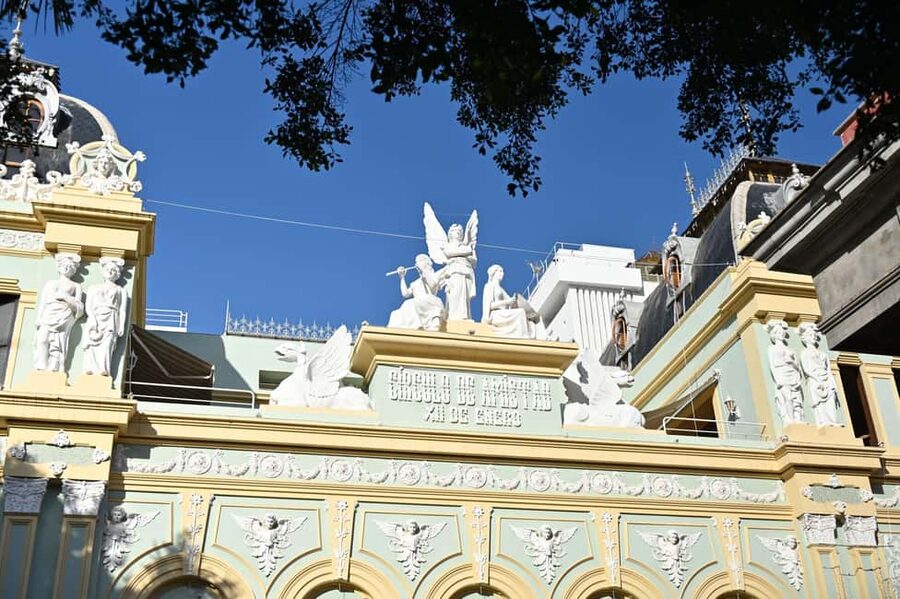
- A visit to the Masonic Temple of the Añaza Lodge, where symbolism becomes part of the city’s identity
More of the capital and old La Laguna
- Santa Cruz de Tenerife Palmetum Entry Ticket★ 4.7 · 246 reviews
- From Santa Cruz: Teide Volcano, Icod, & Garachico Tour★ 4.9 · 234 reviews
- Santa Cruz de Tenerife: Beginner’s Diving & Introduction★ 5.0 · 136 reviews
- Santa Cruz de Tenerife: 2-Hour Hiking Tour in Anaga Forest★ 4.8 · 133 reviews
Walking Santa Cruz with a local guide: what you gain fast
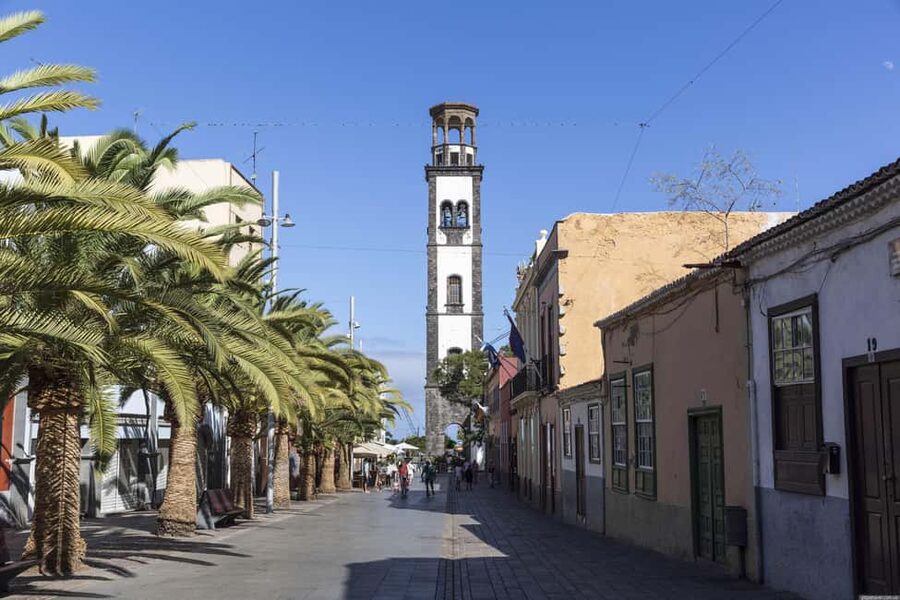
Santa Cruz de Tenerife can feel like a normal city when you first arrive. That’s why the guide matters. A good local doesn’t just point at monuments; they explain why these places ended up here, who used them, and what threats shaped the city’s layout.
On this 2-hour walk, you get a tight sequence of stops in the historic center. You’ll cover enough ground to see the main landmarks, but you won’t spend the entire time on “look at this, next” tourism. The best tours translate architecture and street patterns into stories you can actually remember.
I also like the practical side of the format. You’ll start with a clear meeting point (either Plaza de Europa or Plaza de España, depending on the option that day), get a quick overview, then keep moving. If you want a first-day activity that helps you navigate Santa Cruz later on your own, this is that kind of tour.
Plaza de Europa to the Nuestra Señora de África Market: food, color, and daily life
The walk begins at Plaza de Europa (with an option also listed at Plaza de España). After a short start briefing, the first major stop is the Nuestra Señora de África Market.
This is a smart opening move. Markets are where you instantly understand a place. The guide’s job here is to connect the sensory side—smells, colors, and what people buy—with the bigger picture of Canarian food culture. Even if you don’t plan to snack, you’ll come away with a clearer sense of what locals mean when they talk about everyday Tenerife life.
What to expect:
- You’ll spend time in the market area early, before the walk turns more formal and monumental.
- You’ll get context on what makes Canarian cuisine distinct, rather than just naming products.
A small note for planning: markets can be busy. If you’re someone who dislikes crowds, come with patience and expect slower moments.
Guimerá Theater: culture you can spot, plus context you can’t
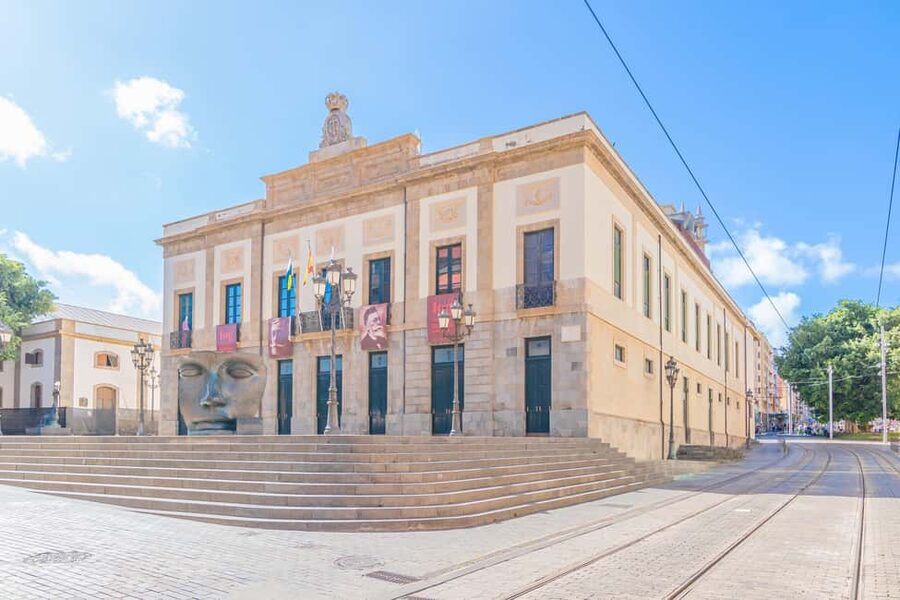
From the market, the tour heads to the Guimerá Theater. This stop is more than a photo stop. A theater building is like a timeline you can walk up to: it shows how a city invested in performance, gatherings, and public culture.
The guide’s value here is connecting the building to the way Santa Cruz has hosted cultural events over time. You’ll notice details you might otherwise miss, like the way the façade signals importance and the way theaters functioned as social hubs—not just entertainment venues.
Why it matters:
- A theater is a shortcut to understanding civic identity.
- The stories help you read the building, not just look at it.
If you’re into architecture or you just like hearing how cities put on public life, this is one of the best points on the route.
Plaza de España: the city’s center and the pivot to older threats
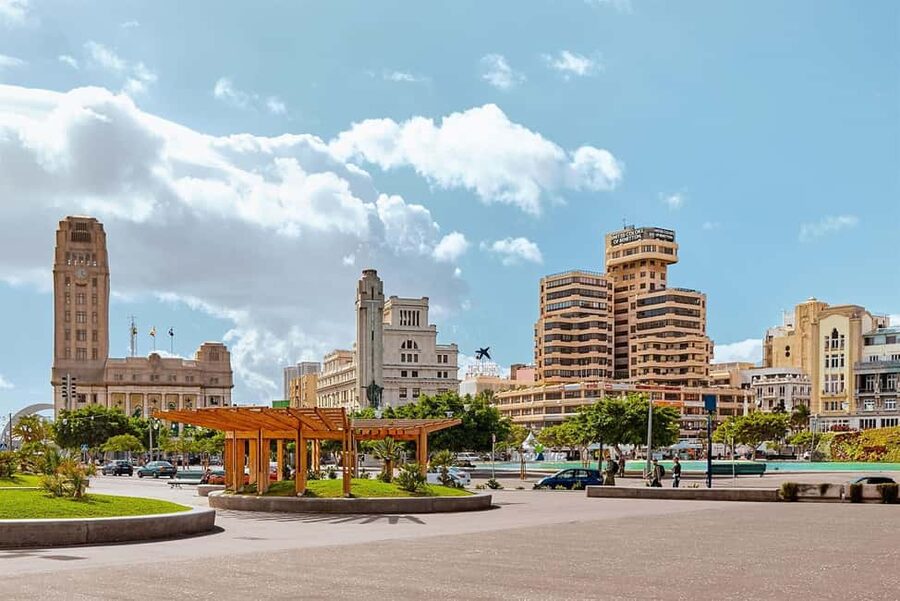
After Guimerá, you’ll reach Plaza de España, which functions as the heart of Santa Cruz. This is where the tour shifts from cultural highlights into older, tougher stories—specifically, the city’s defense history.
This is where a walking guide earns their fee. Rather than giving you a bland timeline, the tour uses location. You’ll move through the historic-center streets in a way that ties buildings and squares to historical pressure, especially during the 16th century.
What you’ll learn here (and why it sticks):
- How Tenerife prepared for pirate attacks and other incursions.
- How that threat shaped the city’s thinking and, in turn, what you see in the urban layout.
If you like history but hate museum lectures, you’ll probably prefer this approach. You’re walking while the story happens, and the setting keeps the details anchored.
A few more Tenerife trips to weigh up before you book



The in-between streets: how “minor” corners become the story
Between the big-name landmarks, the tour includes those quieter streets that don’t always make it into postcards. This is where you start to feel Santa Cruz as a real city.
You’ll stroll through picturesque blocks, guided past the kinds of streets that are easy to skip when you’re following only major sights. The guide’s commentary helps you connect the dots: why certain areas feel more ceremonial, why others feel more local, and how the historic center evolved.
This portion is also useful if you plan to explore on your own after the tour. Even a short walk can reset your sense of direction. One practical point: if you’re navigating by maps, keep an eye out for the obvious orientation points the guide references. If you’re meeting at the wrong plaza for your day’s start option, it can feel like you’re wandering even when you’re close.
Museum of Fine Arts: a cultural stop that turns the walk into more than sightseeing
Next up is the Museum of Fine Arts. This stop adds weight to the itinerary because it signals that the tour isn’t only about streets and monuments—it also points you toward the city’s artistic side.
The guide frames the museum as part of the capital’s cultural identity. Even if you don’t spend a long time inside during the walk, you’ll understand why it’s worth your attention later. I like museum stops on walking tours when they’re treated as context, not just a building you pass by.
What makes this stop work:
- It breaks up the history with a different type of cultural storytelling.
- It gives you a natural “return later” reason after the walk ends.
Añaza Lodge Masonic Temple: symbolism you’ll actually understand
One of the more intriguing stops is the Masonic Temple of the Añaza Lodge. This is the kind of place that many visitors never see—or don’t understand when they do.
The guide’s job is to explain the symbolism and the historical importance attached to the lodge. Even if you’re not especially interested in Freemasonry, you’ll likely appreciate how a tour like this treats architecture and symbolism as part of Tenerife’s story, not as an isolated curiosity.
Why this stop is valuable:
- It adds variety to the usual “church and square” route.
- It gives you a lens for reading social history through meeting spaces and design.
Practical note: if you’re the type who likes to ask questions, this is a good moment. Places with symbolic design usually generate the most “wait, what does that mean?” moments—and a live guide can answer on the spot.
Price and logistics that can make or break the day
The price is $23 per person for a 2-hour guided walk. For a historic-center circuit packed with multiple major stops, it’s in the reasonable range—especially if you value storytelling more than just checking boxes.
Where value shows up:
- You’re paying for a professional local guide who connects sites into a coherent narrative.
- You’re getting a structured route with a start and end at central plazas, which makes follow-up exploring easier.
- The booking also notes skip the ticket line, which can save time if any stop involves entry procedures.
What to watch:
- Language match matters. The tour is offered in English and Spanish, but not every day works perfectly in every language selection. If English is crucial for you, confirm before you go, and don’t hesitate to ask.
- Meet-up distance can surprise you. One practical issue that came up is that the starting area can be a longer walk if you’re arriving from a cruise terminal area. If you’re older, less comfortable with navigation, or traveling alone, plan extra buffer time so you’re not rushing to find the group.
Timing, pace, and how to prep so you enjoy the walk
Two hours moves quickly, but it shouldn’t feel like a forced march. The route includes market time, major cultural landmarks, and multiple historic stops. That’s a lot to cover in a short window, so the pace is naturally “active.”
Bring:
- Comfortable walking shoes (historic streets are not always flat).
- Sun protection if you’re walking midday.
- A small amount of flexibility if you run into a busier-than-usual market moment.
Also, consider your personal style. If you love wandering and reading street life, a guided loop like this is a shortcut to the best parts. If you prefer quiet, you might find sections with more crowding—especially around the market—feel busy.
Who this Santa Cruz tour fits best
This walking tour works well if you:
- Want a first look at the city’s historic center with context, not just landmarks.
- Like mixing culture (theater and fine arts) with real-world history (defense stories).
- Enjoy stops that break the usual checklist, like the Añaza Lodge Masonic Temple.
It’s less ideal if you:
- Need strict English commentary and can’t handle any language mismatch risk.
- Prefer long, free time inside buildings rather than moving from stop to stop.
If you’re traveling solo, I also think this format helps. You get a clear start, an anchored route, and built-in conversation topics. One solo traveler noted feeling safe on the walk, which is a big deal for many people.
Should you book? My take on the trade-offs
I’d book this tour if your goal is to understand Santa Cruz beyond the obvious highlights. The combination of the market, Guimerá Theater, Plaza de España, the Fine Arts Museum, and the Añaza Lodge Temple gives you a balanced sample of city identity: food, culture, civic history, and symbolic spaces.
I would hesitate only if language accuracy is make-or-break for you. Since the tour runs in English and Spanish, it’s worth double-checking what language your particular departure will actually use. Also, give yourself extra time to reach the meeting point if you’re starting from a cruise area or another part of town where you might underestimate walking distance.
If those points are handled, the price feels fair for the amount of guided context you get in two hours.
FAQ
How long is the Santa Cruz de Tenerife walking tour?
It lasts 2 hours.
How much does the tour cost?
The price is $23 per person.
Where does the tour meet and where does it end?
You meet at Plaza de Europa to start, with Plaza de España listed as an alternative starting option. The tour ends back at Plaza de España.
What languages are available?
The tour offers English and Spanish.
Is the walking tour wheelchair accessible?
Yes, it’s listed as wheelchair accessible.
What’s included, and is any entrance-tickets help mentioned?
The tour includes an official professional local guide and a walking tour of the historic city center. The activity also notes skip the ticket line; coffee, drinks, meals, souvenirs, and personal expenses are not included.
More Tours in Tenerife
- Tenerife: Mount Teide Tour with Cable Car Ticket & Transfer
★ 4.3 · 5,094 reviews - Tenerife: Teide National Park Sunset & Stargazing Tour
★ 4.2 · 3,812 reviews - Costa Adeje: Whale Watching Catamaran Tour with Drinks
★ 4.7 · 3,653 reviews - Tenerife: Jet Ski Tour with Optional Quad Trip
★ 4.6 · 2,839 reviews - Los Gigantes: Whale or Dolphin Watching Tour and Swim in Masca
★ 4.7 · 2,229 reviews
More Tour Reviews in Tenerife
- Siam Park Entry Tickets
★ 4.5 · 15,710 reviews - Tenerife: Eco-Yacht Whale and Dolphin Watching and Swimming
★ 4.7 · 15,619 reviews - Los Cristianos Respectful No-Chase Whale and Dolphin Safari
★ 4.6 · 12,782 reviews - Tenerife: Loro Parque Entry Ticket
★ 4.8 · 12,411 reviews - Loro Parque and Siam Park Combined Admission Tickets
★ 4.7 · 7,307 reviews
More of Santa Cruz & La Laguna
- Santa Cruz de Tenerife Palmetum Entry Ticket
★ 4.7 · 246 reviews - From Santa Cruz: Teide Volcano, Icod, & Garachico Tour
★ 4.9 · 234 reviews - Santa Cruz de Tenerife: Beginner’s Diving & Introduction
★ 5.0 · 136 reviews - Santa Cruz de Tenerife: 2-Hour Hiking Tour in Anaga Forest
★ 4.8 · 133 reviews - Tenerife: Santa Cruz, La Laguna and Anaga Tour
★ 3.5 · 67 reviews
Just Added: Fresh Tenerife Reviews





Santa Cruz & La Laguna Tours, compared.
 ★ 4.7Santa Cruz de Tenerife Palmetum Entry TicketFrom $7246 reviews
 ★ 4.9From Santa Cruz: Teide Volcano, Icod, & Garachico TourFrom $85234 reviews
 ★ 5.0Santa Cruz de Tenerife: Beginner’s Diving & IntroductionFrom $89136 reviews
 ★ 4.8Santa Cruz de Tenerife: 2-Hour Hiking Tour in Anaga ForestFrom $50133 reviews
 ★ 3.5Santa Cruz, La Laguna and Anaga TourFrom $6167 reviews
 ★ 3.8Santa Cruz Guided Bike Tour 1.5 hourFrom $2467 reviews
 ★ 3.9Santa Cruz guided bike tour 1,5 hour + TapasFrom $4261 reviews
 ★ 5.0Santa Cruz de Tenerife: Vilaflor Canyoning TourFrom $7749 reviews
Browse the lists this tour appears in