
Reviewed · SANTA CRUZ & LA LAGUNA TOURS
Tenerife: Santa Cruz Guided Bike Tour 1.5 hour
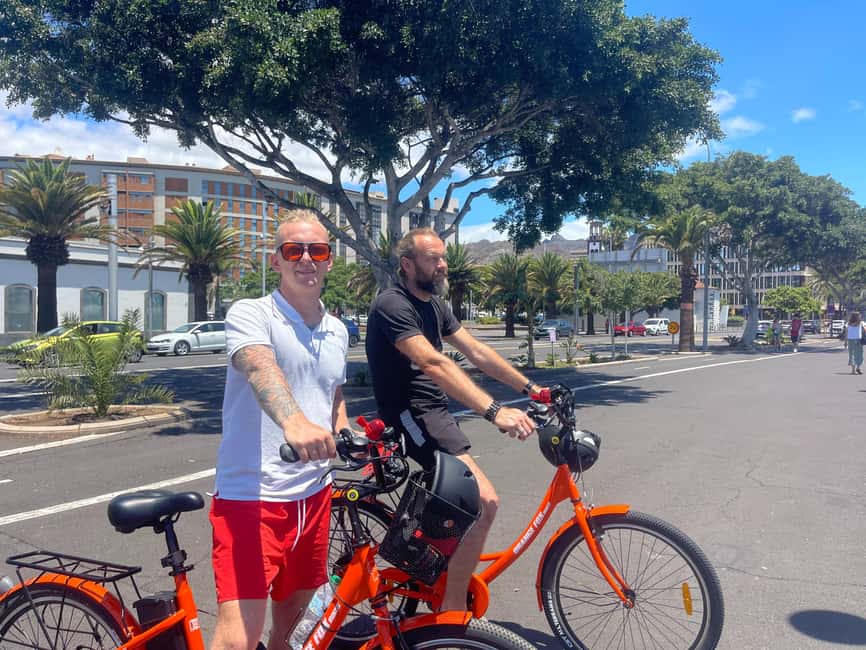
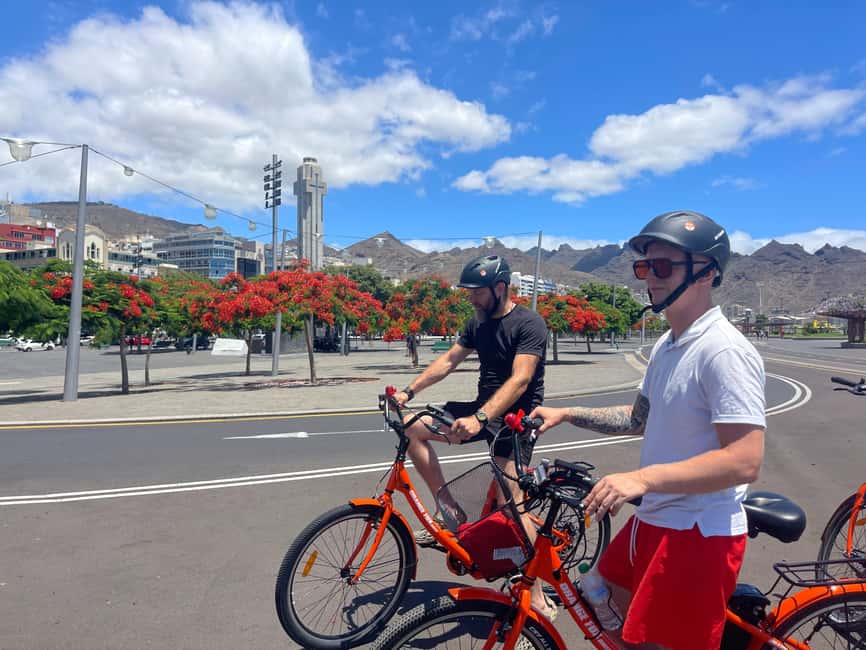
A bike tour in Santa Cruz works because it moves you at street level. You get local stories and planned photo stops while gliding past major landmarks without needing serious cycling skills. The big win is how quickly you can see the city’s character in just 1.5 hours.
I also like that you can choose a regular bike or an electric bike, so the ride stays comfortable for more people. The one downside to keep in mind: you’ll need to be confident on a bike, and while the route is generally easy, the experience is still weather- and traffic-dependent.
If you want a simple way to understand Santa Cruz—churches, theaters, and iconic viewpoints—this is a strong option.
In This Review
- Key highlights to look for
- Entering Santa Cruz by bike: what the 1.5 hours feels like
- Bikes, comfort level, and who should (and shouldn’t) book
- Starting point: Tenerife Bike Rental & Tours and the ride setup
- Plaza de la Candelaria: the launch point and why this square works
- The first photo pause: a secret stop that breaks up the rhythm
- Iglesia de la Concepción: church architecture and the storytelling layer
- Teatro Guimerá: switching from sacred to civic culture
- Masonic Temple of Santa Cruz: a conversation you’ll remember
- Parish of St. Francisco de Asís and the feel of daily Santa Cruz
- Auditorio de Tenerife Adán Martín: a landmark built for modern attention
- Castillo Negro (Castillo de San Juan Bautista): the payoff photo moment
- A final lesser-known pause with free time
- Price and value: why $24 can make sense here
- How to get the most out of your Santa Cruz bike tour
- Should you book the Santa Cruz guided bike tour?
- FAQ
- How long is the Santa Cruz guided bike tour?
- Where do I meet the guide?
- Do I choose between a regular bike and an electric bike?
- What’s included in the price?
- What languages are offered for the live guide?
- Is the tour suitable for beginners or all fitness levels?
- Is food included?
Key highlights to look for
- Small-group pacing (10 to 15 people) so your guide can actually answer questions
- E-bike or regular bike choice for a more comfortable ride
- Planned photo stops at major landmarks, not just quick passes
- Stops that mix architecture and culture, from churches to theaters to landmark buildings
- A route that’s designed for all fitness levels, including first-time cyclists (for those who can ride)
More rides through the Orotava valley and beyond
- Tenerife: Quad Bike Tour to Mount Teide at Sunset★ 4.4 · 368 reviews
- Tenerife: Teide Volcano Sunset Quad Bike Tour with Drinks★ 4.3 · 290 reviews
- Tenerife: Guided Quad Bike Tour to Teide National Park★ 4.7 · 263 reviews
- From Costa Adeje: Mount Teide Forest Off-Road Quad Bike Tour★ 4.8 · 228 reviews
Entering Santa Cruz by bike: what the 1.5 hours feels like
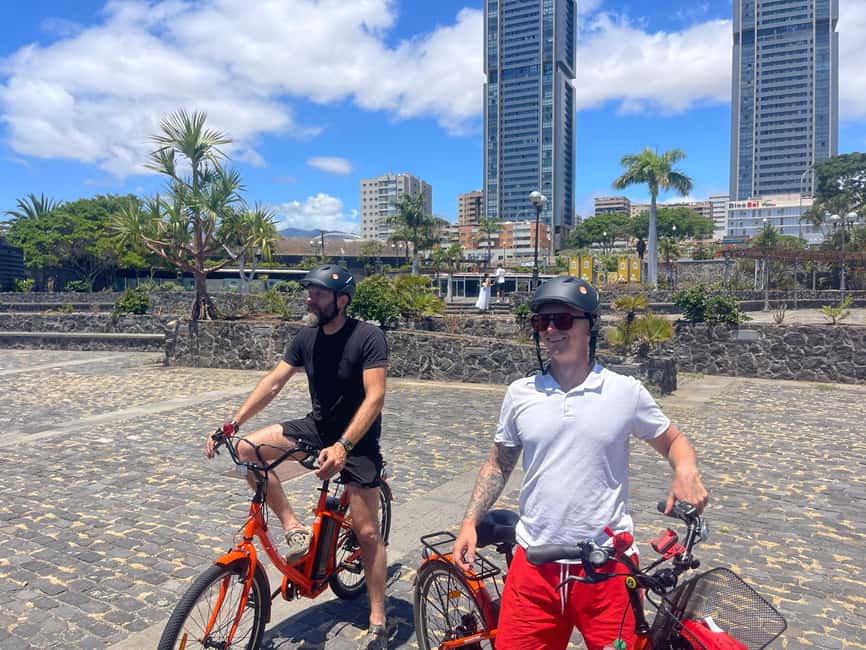
This is a practical city tour. In 90 minutes, you’re not trying to “cover everything.” You’re getting the key sights, plus the small moments your phone can’t always explain. You’ll start in central Santa Cruz, then ride a loop that connects major squares and landmark streets, with short stops built in for photos and commentary.
The pace matters here. The tour is structured so you’re cycling enough to feel like you’re traveling through the city, but not so much that you’re arriving tired. It also helps that the route is described as straightforward and mostly no-fuss—ideal if you’re not trying to turn your holiday into a training plan.
You’ll also notice the guide approach. In a few tours, guides like Natalia will ask what kind of focus you want—architecture, history, or nature—then steer the conversation accordingly. That makes the commentary feel less like a script and more like a real walk-and-talk, just on two wheels.
Bikes, comfort level, and who should (and shouldn’t) book
You can select either a regular bicycle or an electric bike. If you’re worried about hills or stamina, the e-bike option is the easiest way to keep the experience light. The electric bikes are described as not complicated to use, but it’s still smart to listen to the guide’s quick setup and ask any questions before you roll out.
Fitness level: the tour is suitable for all fitness levels, and the cycling is meant to be manageable. That said, the tour is not for people who can’t ride a bike. If you’re wobbling or uncomfortable at low speeds, you’ll want a different activity.
Safety expectations are worth a minute of honesty. Helmets are available on request, and that’s in line with the tour info. One practical lesson from real-world operation: if you want a helmet for comfort and safety, don’t assume it will be handed to you—politely ask at the start.
What about bike reliability? One incident mentioned included a puncture on a guest’s bike, with a replacement bike provided quickly (about 15 minutes). That’s not a guarantee, but it does suggest the team tries to keep the tour moving if something mechanical happens.
Starting point: Tenerife Bike Rental & Tours and the ride setup
You’ll meet your guide at Tenerife Bike Rental & Tours, Calle Dr. Allart, 17, 38003 Santa Cruz de Tenerife. This is the kind of meeting point that’s easy to find because it’s a specific street address tied to the bike company—less guesswork, more time for the tour.
Before you depart, confirm a few basics:
- Are you on the correct bike type (regular vs e-bike)?
- Do you have the right seat comfort and basic controls explained?
- If you want one, request a helmet and child seat (available on request).
- Ask where luggage storage is handled, so you don’t carry things while riding.
The tour includes luggage storage and bottle water, which is a small thing that really helps. It means you can keep your hands free and stay comfortable between stops.
Plaza de la Candelaria: the launch point and why this square works
You begin at Plaza de la Candelaria, and it’s a smart start. This is central Santa Cruz territory—easy to orient yourself, easy to jump into the route, and a good place to understand the city’s layout before you start moving.
From this starting point, the tour is designed to get you quickly into landmark-view mode. You’ll be cycling soon after meeting, with scenic views along the way, and the guide commentary kicks in while you still have energy and are fresh enough to notice details.
If you’re arriving in Santa Cruz for the first time, starting here helps you “get bearings fast.” Even after the ride ends, you’ll likely understand where the main streets run and how the historic and civic buildings connect.
More of the capital and old La Laguna
The first photo pause: a secret stop that breaks up the rhythm
Soon after launch, you reach a secret stop that’s built for photos and short guided storytelling. The purpose of a mid-early pause like this is simple: it gives you time to reset your camera, ask questions while everyone is together, and hear the reason behind what you’re seeing.
If you’re the type who hates when tours rush past everything, this kind of stop is a relief. It keeps the experience from feeling like a long bike transfer and turns it into a guided stroll with wheels.
Also, because this pause is a photo stop, it’s usually timed when the lighting and street angles make pictures easier. If you care about getting more than “we were there” snapshots, pay attention to what the guide suggests—often that’s where the best angles come from.
Iglesia de la Concepción: church architecture and the storytelling layer
Next up is Iglesia Matriz de Nuestra Señora de la Concepción. Churches like this aren’t just big buildings—they’re anchors for how cities grew, how communities gathered, and how art and power were expressed.
You’ll get a photo stop and guided sightseeing as you approach and pass by. The value here isn’t only the exterior. It’s the guide’s context: what makes the church meaningful in Santa Cruz, and how it fits into the bigger civic story you’re learning as the tour goes on.
Drawback to keep in mind: churches can be busy or visually busy with surrounding streets. If you’re sensitive to crowd flow or want slow wandering time inside (not mentioned as part of this tour), you may need to adjust your expectations and focus on photos and exterior viewing.
Teatro Guimerá: switching from sacred to civic culture
After the church, the tour moves to Teatro Guimerá. This stop helps you see Santa Cruz beyond religious landmarks and into public culture. A theater building often tells you a lot about what a city values—public gatherings, performance, and civic identity.
You’ll stop for photos and commentary, then keep pedaling. This pacing is important: you don’t lose momentum, but you also don’t feel like you’re just passing by.
If you like architecture that shows civic ambition, this theater stop is a good one to take your time with. Stand where the guide points out the best view, then take a few photos. You’ll likely remember the shape and placement of the building long after the tour.
Masonic Temple of Santa Cruz: a conversation you’ll remember
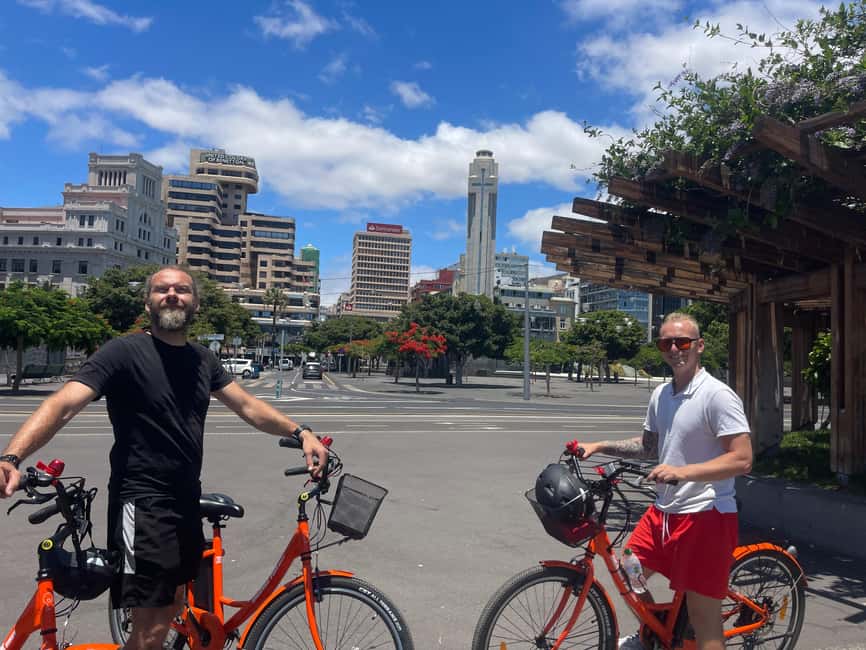
One standout in the route is the Masonic Temple of Santa Cruz de Tenerife. This kind of site adds variety. It’s not the most obvious “postcard stop,” and that’s exactly why it can be memorable when a guide provides the context.
Your stop includes a photo moment and guided commentary. The practical value: you’re learning how different groups and institutions shaped the city, not just the most famous public buildings.
If you’re curious about how societies organize—who meets, where they meet, and how architecture reflects it—this is the kind of stop that makes the guided format worth it. Without the commentary, it’s still a building you can see, but you might miss why it matters.
Parish of St. Francisco de Asís and the feel of daily Santa Cruz
Then you head to Parish of St. Francisco de Asís, another photo stop with guided sightseeing. This is where the tour starts to feel more like “real city life” than pure landmark-hopping. Parishes often sit in neighborhoods where you can sense regular rhythms around them.
You’ll stop briefly, take photos, and hear commentary that connects the site to the broader historical thread the guide is building across the route.
A small travel tip: use these church/parish stops as moments to slow down your pace. Let the guide finish the explanation, then take your photos after. If you start photographing immediately, you may end up cutting off the best part of the story.
Auditorio de Tenerife Adán Martín: a landmark built for modern attention
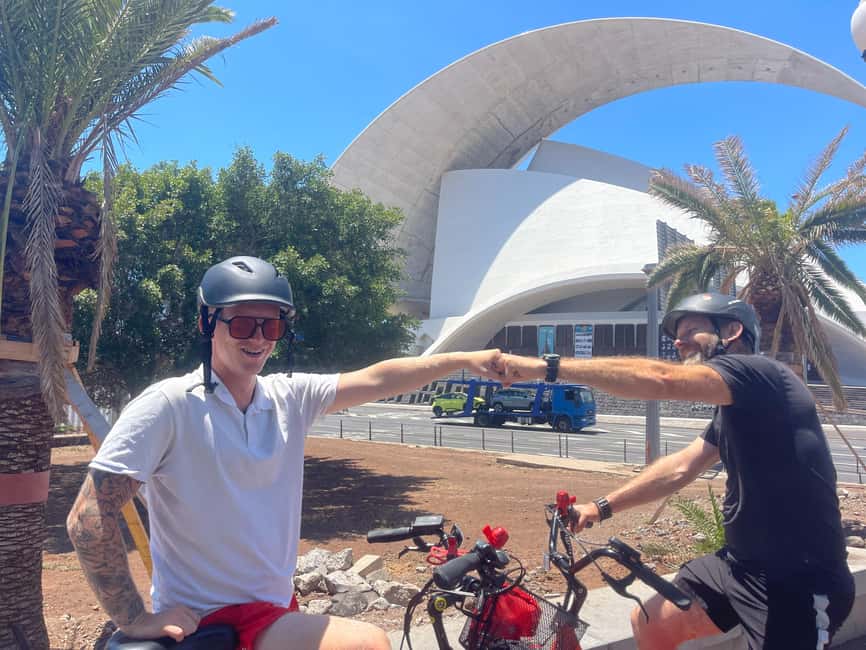
Next comes Auditorio de Tenerife Adán Martín. This is one of the city’s most recognizable modern landmarks, and it’s an anchor point for why this tour is fun even if you already know a little about Santa Cruz.
You’ll stop for photos and guided context. The guide commentary helps connect the building to the city’s cultural identity—how Santa Cruz presents itself in different eras, and why this kind of venue matters for public life.
Practical note: modern landmark stops often have strong angles from street corners. When your group pauses, don’t stay glued to the bike. Step into the position your guide indicates, then shoot a quick set: one wide, one detail, one streetscape.
Castillo Negro (Castillo de San Juan Bautista): the payoff photo moment
The route then reaches Castillo Negro, formally tied to Castillo de San Juan Bautista (Castillo Negro). This is the kind of stop where photos usually look better than you expect—because castles and fortress-style architecture naturally create drama.
You’ll have a photo stop and commentary. The value is how the guide ties the fortification to Santa Cruz’s broader story. Even if you’re not a “history person,” a clear explanation makes it easier to see why the building was placed and how it functioned.
Because this is a key landmark, you may want to bring your best camera settings—or simply take your time and don’t rush the shot. If the group is small (10 to 15), you can usually get your photos without fighting for a prime spot.
A final lesser-known pause with free time
After the major landmarks, the tour includes another stop described as a final hidden spot with guided elements and free time. This part is useful for two reasons:
1) You get a break from the constant riding and listening.
2) You can look around without feeling like you’re missing something the guide is explaining.
Because the exact nature of this final spot isn’t spelled out beyond a guided pause with free time, treat it as your chance to wander a few minutes and enjoy the area at your own speed. If you’re tired, you can simply rest. If you want photos, this is your moment.
Price and value: why $24 can make sense here
At $24 per person for about 1.5 hours, this tour can be good value if you like guided context and want a low-effort introduction to Santa Cruz. The price isn’t only for “bike rental.” You’re paying for:
- a local guide
- planned photo stops
- commentary that helps you understand what you’re seeing
- water and luggage storage
- a small group size (10 to 15), which usually means less waiting and more interaction
If you were to ride by yourself, you could probably visit many of these landmarks. The question is whether you’d know what to look for and why each place matters. For a short timeframe, guided commentary often gives you more payoff than extra stops.
Who it’s best for: people who want a manageable activity with real context, couples, solo travelers who like structure, and cruise passengers who need a simple plan that doesn’t require day-long commitment.
How to get the most out of your Santa Cruz bike tour
Here are a few practical moves that make a noticeable difference:
- Choose the bike option that matches your comfort, not your pride. If you’re unsure, pick the e-bike.
- Bring comfortable clothes and shoes. You’ll be standing for photos, not just riding.
- If you care about safety, request a helmet at the start.
- When the guide asks what you prefer (architecture/history/nature), answer honestly. It helps steer the commentary.
- At each landmark, wait for the guide’s positioning advice, then take photos. You’ll get cleaner shots and better stories.
Also, remember the tour can run longer when circumstances change. One operational note: a tour was mentioned as running for around 3 hours instead of 1.5, and routes can be rerouted due to local events. That’s not something you can control, but you can protect yourself by keeping your next plan flexible.
Should you book the Santa Cruz guided bike tour?
Book it if you want a short, easy-moving introduction to Santa Cruz that blends major sights with a real local explanation. It’s especially appealing if you’re not trying to train for a bike challenge and you’d rather spend your energy learning what you’re seeing.
Skip it if you can’t ride a bike, or if you’re hoping for lots of time to wander inside buildings. This is a ride-and-stop tour, not a long sightseeing day.
If you’re curious, I’d say it’s worth booking—because the combination of small-group guidance, photo stops at iconic places, and the regular-versus-e-bike choice is exactly the kind of travel value that works in a compact 1.5-hour window.
FAQ
How long is the Santa Cruz guided bike tour?
It lasts 1.5 hours.
Where do I meet the guide?
Meet at Tenerife Bike Rental & Tours at Calle Dr. Allart, 17, 38003 Santa Cruz de Tenerife.
Do I choose between a regular bike and an electric bike?
Yes. You can select a regular bicycle or a more comfortable electric bike.
What’s included in the price?
The tour includes the guided 1.5-hour bike tour, a local guide, photo stops, insightful commentary, the selected bike type, luggage storage, bottle of water, and a small group experience (10 to 15 people). Child seats and helmets are available on request.
What languages are offered for the live guide?
The guide can speak Dutch, English, French, German, Italian, Spanish, Ukrainian, and Polish.
Is the tour suitable for beginners or all fitness levels?
Yes, it’s suitable for all fitness levels. It’s also designed to be an easy cycle, but you must be able to ride a bike.
Is food included?
No, food is not included.
More Tour Reviews in Tenerife
- Siam Park Entry Tickets
★ 4.5 · 15,710 reviews - Tenerife: Eco-Yacht Whale and Dolphin Watching and Swimming
★ 4.7 · 15,619 reviews - Los Cristianos Respectful No-Chase Whale and Dolphin Safari
★ 4.6 · 12,782 reviews - Tenerife: Loro Parque Entry Ticket
★ 4.8 · 12,411 reviews - Loro Parque and Siam Park Combined Admission Tickets
★ 4.7 · 7,307 reviews
More of Santa Cruz & La Laguna
- Santa Cruz de Tenerife Palmetum Entry Ticket
★ 4.7 · 246 reviews - From Santa Cruz: Teide Volcano, Icod, & Garachico Tour
★ 4.9 · 234 reviews - Santa Cruz de Tenerife: Beginner’s Diving & Introduction
★ 5.0 · 136 reviews - Santa Cruz de Tenerife: 2-Hour Hiking Tour in Anaga Forest
★ 4.8 · 133 reviews - Tenerife: Santa Cruz, La Laguna and Anaga Tour
★ 3.5 · 67 reviews
More Rides on Two Wheels
- Tenerife: Quad Bike Tour to Mount Teide at Sunset
★ 4.4 · 368 reviews - Tenerife: Teide Volcano Sunset Quad Bike Tour with Drinks
★ 4.3 · 290 reviews - Tenerife: Guided Quad Bike Tour to Teide National Park
★ 4.7 · 263 reviews - From Costa Adeje: Mount Teide Forest Off-Road Quad Bike Tour
★ 4.8 · 228 reviews - Tenerife: Guided Historical Bike Tour with E-Bike Option
★ 3.9 · 83 reviews
Just Added: Fresh Tenerife Reviews




Santa Cruz & La Laguna Tours, compared.
 ★ 4.7Santa Cruz de Tenerife Palmetum Entry TicketFrom $7246 reviews
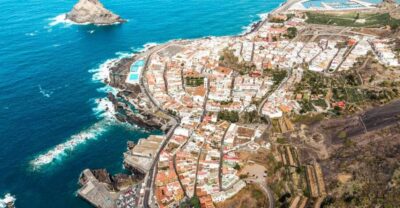 ★ 4.9From Santa Cruz: Teide Volcano, Icod, & Garachico TourFrom $85234 reviews
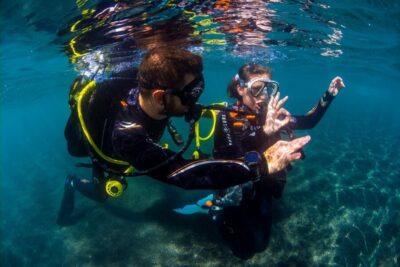 ★ 5.0Santa Cruz de Tenerife: Beginner’s Diving & IntroductionFrom $89136 reviews
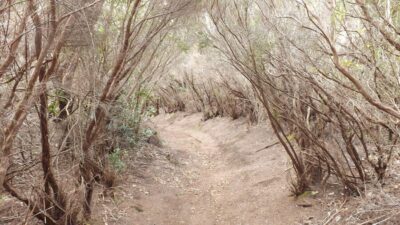 ★ 4.8Santa Cruz de Tenerife: 2-Hour Hiking Tour in Anaga ForestFrom $50133 reviews
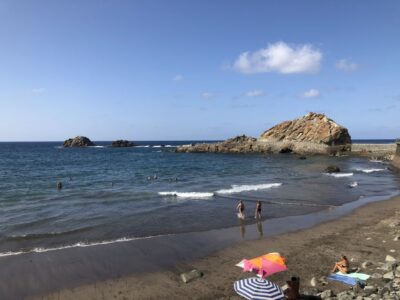 ★ 3.5Santa Cruz, La Laguna and Anaga TourFrom $6167 reviews
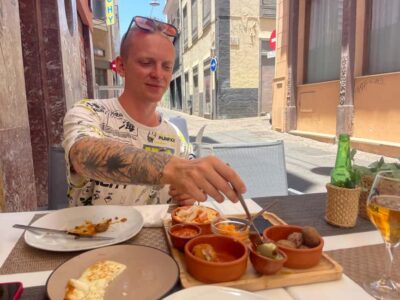 ★ 3.9Santa Cruz guided bike tour 1,5 hour + TapasFrom $4261 reviews
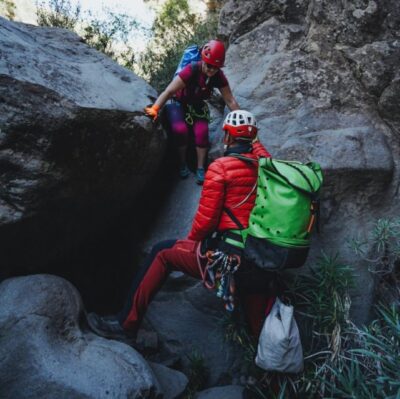 ★ 5.0Santa Cruz de Tenerife: Vilaflor Canyoning TourFrom $7749 reviews
 ★ 4.6Santa Cruz de Tenerife: Las Teresitas Stand Up Paddle CourseFrom $2144 reviews
Browse the lists this tour appears in