
Reviewed · SANTA CRUZ & LA LAGUNA TOURS
Santa Cruz de Tenerife: Advanced introductory course
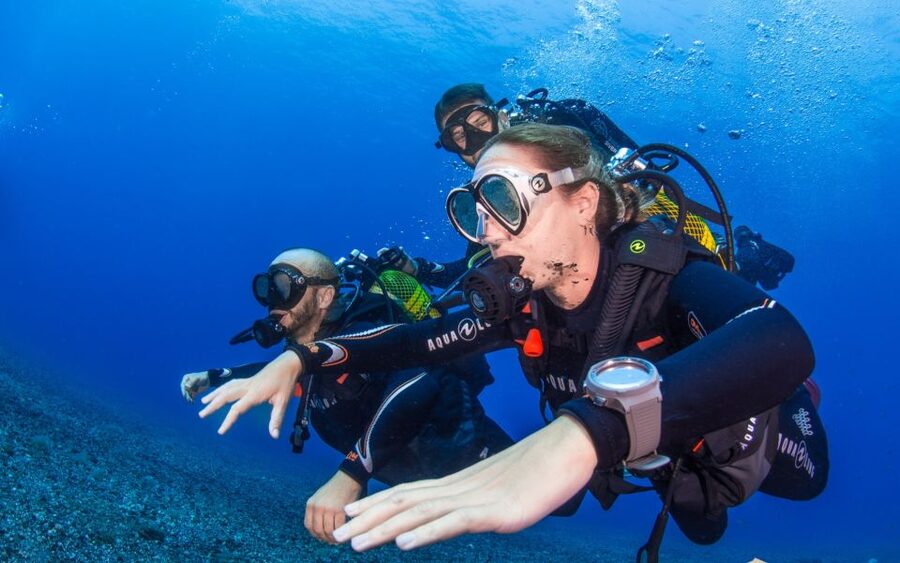
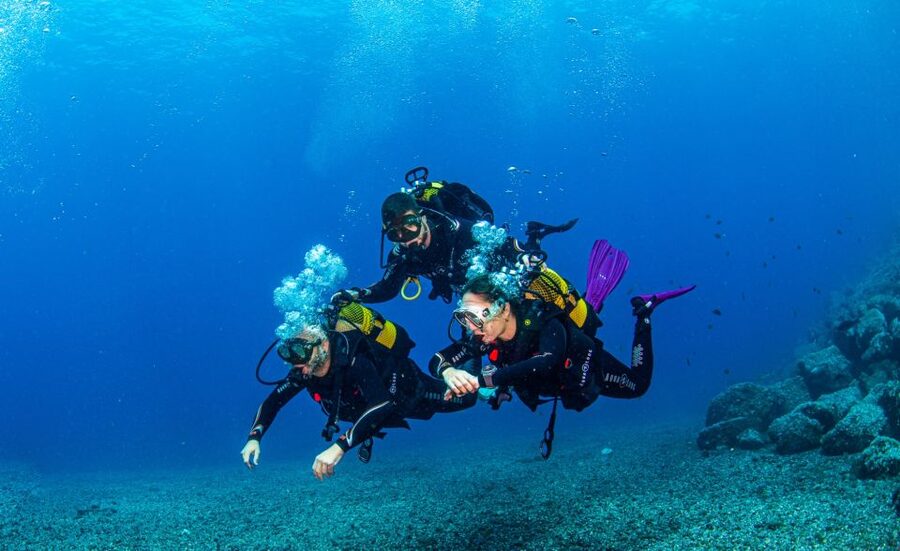
A calm day in Tenerife turns into real underwater weightlessness. I like that this course doesn’t just teach basics on paper; it gives you hands-on skills and then puts them to work down to 12 meters. The best part is the structure: a gentle start, then a deeper guided route with constant instructor supervision.
Two things I really like: the pacing (you adapt first at 5 meters), and the fact you’re in a small group of up to 4. That setup usually means more attention when you need it, and fewer people to compete with for the instructor’s time.
One consideration: it’s not for everyone. You need to meet the physical limits (including no back problems) and follow the age and pregnancy restrictions, so check that part early before you get excited.
In This Review
- Key highlights worth your attention
- SSI Basic Diver in Santa Cruz: what “advanced intro” really means
- Your 5 hours in Tenerife: how the schedule actually unfolds
- Entering the water: the staged plan from 5 meters to 12
- The guided route: what you’re likely to see underwater
- Guides make the difference: what to expect from your instructor
- What’s included (and what that means for your day)
- Price and value: is $140 a fair deal?
- Who should book, and who should skip this one
- Tips to make your underwater session smoother
- Should you book this SSI Basic Diver course in Santa Cruz?
- FAQ
- What maximum depth will I reach?
- How long are the underwater parts?
- How many people are in the group?
- What should I bring?
- What languages are available?
- Is this course for kids and older adults?
- What’s included in the price?
Key highlights worth your attention
- Up to 12 meters with SSI Basic Diver structure, so you get skills plus real depth time
- First adaptation at 5 meters for 10–20 minutes, then you continue deeper
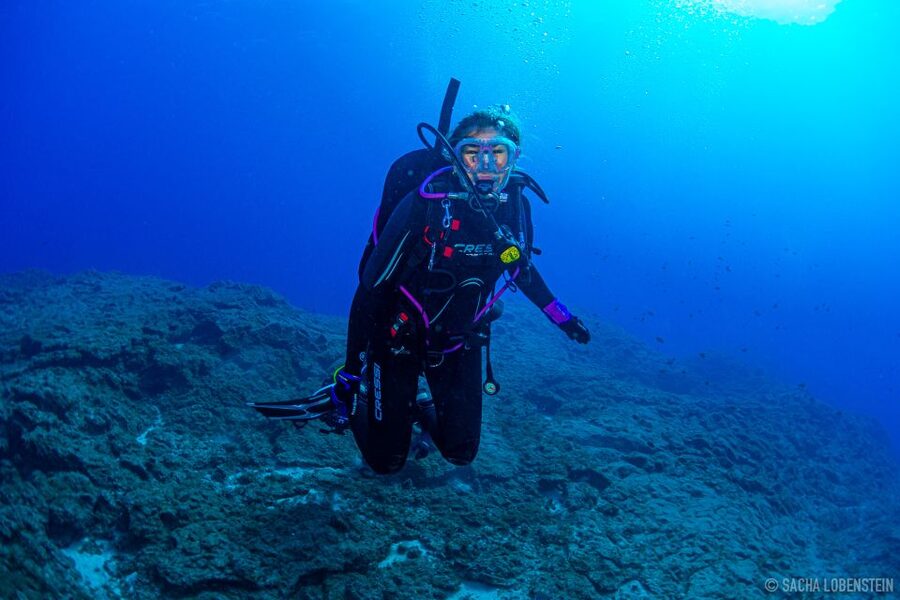
- Crystal-clear water and underwater life, including a chance to spot things like octopus, corals, and starfish
- Constant instructor supervision throughout, with a guided second underwater route
- Souvenir photos included, plus a snack and video/photo viewing after the first session
More of the capital and old La Laguna
- Santa Cruz de Tenerife Palmetum Entry Ticket★ 4.7 · 246 reviews
- From Santa Cruz: Teide Volcano, Icod, & Garachico Tour★ 4.9 · 234 reviews
- Santa Cruz de Tenerife: Beginner’s Diving & Introduction★ 5.0 · 136 reviews
- Santa Cruz de Tenerife: 2-Hour Hiking Tour in Anaga Forest★ 4.8 · 133 reviews
SSI Basic Diver in Santa Cruz: what “advanced intro” really means
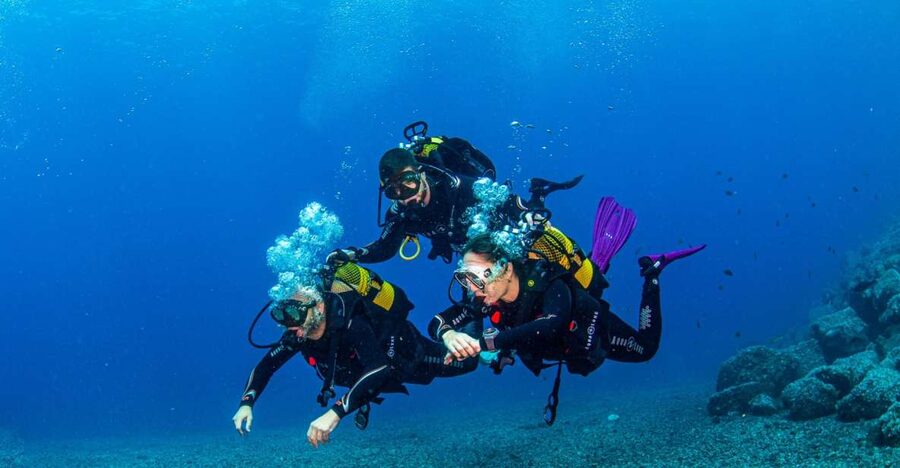
This experience is built for people who want more than a one-off try session. It’s an enhanced introductory track within SSI’s Basic Diver program, designed to teach you the concepts and skills you need to dive to 12 meters with an SSI professional.
In plain terms, you’re not just going for a quick thrill. You’re learning how scuba works in real conditions—buoyancy control, breathing, and how to handle your body and gear as depth changes. I like this approach because it helps you feel less “mystery sport” and more under control, which makes the underwater time more comfortable.
And you’ll likely appreciate the mix of science and wonder. The whole point is to pair skill-building with the fun of seeing Tenerife’s underwater wildlife. From the guide style I’ve seen in these kinds of courses, the in-water supervision matters a lot for confidence, and this one is designed around that idea.
Your 5 hours in Tenerife: how the schedule actually unfolds
The activity is listed as 5 hours, but the on-site flow is clearly built around a tighter sequence: arrival and briefing, then the water time, then a relax-and-replay phase. Plan to spend the day with them—this is not a “show up, suit up, and go” situation.
Here’s how the day is organized, step by step:
First, you’ll arrive about 30 minutes early at the dive center. That buffer is for check-in and getting your gear sorted so you’re not rushing when it’s time to enter the water.
Next comes the technical explanation. Expect an instructor-led setup where you learn what you need to do, how the equipment works, and what to focus on underwater. This is usually the part that makes the rest easier, because once you understand what you’re supposed to feel and watch for, you can spend energy on enjoying the water.
Then you head into the water for the longer, deeper session. The plan is carefully staged so you start shallow first, build comfort, and only then go deeper. Afterward, you’ll relax with a snack and watch videos and photos from your first underwater experience.
Entering the water: the staged plan from 5 meters to 12
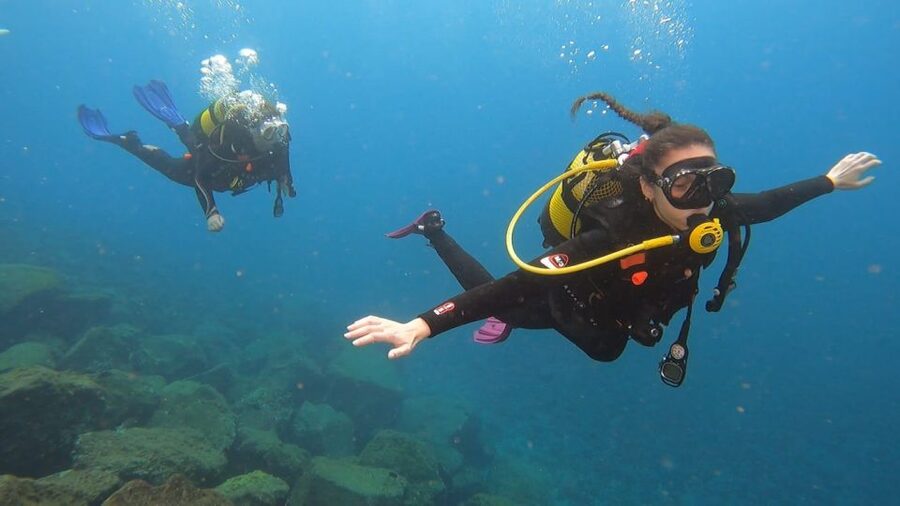
This course uses a smart depth ramp. You don’t start at the maximum right away. Instead, you begin at a maximum depth of 5 meters to adapt to the environment and get comfortable for about 10–20 minutes.
I like this staged approach because it helps you avoid the common “I’m focused on everything at once” feeling. At shallow depth, you can tune into breathing, body position, and how to slow down your movements. When you continue deeper, you’re already calmer, which usually makes the second phase feel smoother.
After that adaptation phase, you continue to the maximum depth of 12 meters for up to 60 minutes. That deeper window is where the course earns its name as an enhanced intro: it’s not just about going lower, it’s about building the confidence to stay relaxed there.
Your instructor is with you the whole time, and that matters when you’re learning. If anything feels off, you’re not trying to solve it alone in open water. The format is designed for controlled learning with real-world payoff.
The guided route: what you’re likely to see underwater
Depth is only half the story. The other half is what’s living there—and Tenerife’s water tends to be good for viewing.
This experience includes a guided route on your second underwater session, with a maximum depth of 12 meters again. Even if you’re new, a guided path helps you move with purpose, not just drift and hope you spot something.
From the course reviews, I’m especially encouraged by the wildlife comments. People have described seeing lots of fish, and some specific sightings like an octopus, corals among rocks, and a starfish. You should treat sightings as luck-of-the-day, not a guarantee—but the fact that these kinds of moments show up in multiple reports suggests the route and conditions are doing their job.
And the “crystal clear waters” promise isn’t just marketing when you’re actually down there. Clear visibility changes everything: you spend less time squinting, and you notice more natural details—fish movement, textures around rock areas, and how life is spread out through the scene.
Guides make the difference: what to expect from your instructor
Scuba skill is technical, but comfort is human. In these reviews, the instructor experience really comes through.
Carla is mentioned as a guide who was very patient and attentive during the underwater time, and she was specifically credited with helping a group get great wildlife viewing during a 12-meter choice. Another instructor name that shows up is Irene, with guests describing the experience as incredible and pointing to the quality of the guidance.
What this tells you as a future participant: you’re not just receiving generic instruction. The course is set up for an attentive coaching style, and the small group size (maximum 4 participants) gives your instructor room to guide you closely.
If you’re nervous, that matters. If you’re excited, it still matters, because the best instructors keep you relaxed so you can actually enjoy the underwater sights instead of spending the whole time monitoring your stress level.
What’s included (and what that means for your day)
You’re getting more than equipment access. Included in the experience are souvenir photos, plus use of the dive center facilities like locker rooms and hot showers.
That may sound minor, but it’s practical value. After you’re wet, you’ll want somewhere to change comfortably and warm up, and hot showers help you feel human again fast. The souvenir photos also solve a real problem for beginners: when you’re focused on learning, you usually don’t have the energy to document everything. Having photos and video recap included means you can revisit what you saw and what you did.
If you want to travel light, remember the required clothing: bring swimwear. The rest is handled by the center’s setup.
Price and value: is $140 a fair deal?
At $140 per person, this sits in the “serious try session” category, not the cheapest beginner option. The value comes from three factors you can see in the structure:
First, you’re training toward 12 meters with an SSI Basic Diver approach. That means instruction plus depth time, not just an equipment rental with a quick look.
Second, you’re getting staged learning: start at 5 meters for comfort, then go deeper with an instructor guiding the second session. That reduces chaos and usually improves the learning-to-fun ratio.
Third, you’re not a crowd. The group limit of 4 participants supports more direct attention. For many people, that’s the difference between feeling self-conscious underwater and feeling guided.
So yes, $140 can be a smart choice if your goal is confidence and a real underwater experience. If your budget is tight and you’re only looking for a first taste, you might compare other shorter try options. But if you specifically want the 12-meter experience and coaching, this price is easier to justify.
Who should book, and who should skip this one
This course has clear boundaries.
It’s not suitable for:
- Children under 8 years
- Pregnant women
- People with back problems
- People over 70 years
You also need to be in a normal state of health. That sounds general, but it’s part of the safety framework for the underwater training and the physical demands of scuba.
If you’re under 8, or if you’re over 70, or if back issues are in your health history, don’t force it. In cases like this, a mismatch is a safety issue, not just a convenience issue. Pick a different experience that better matches your situation.
Who it suits best: people who already want to see more than shallow water and who like the idea of structured learning with a guide nearby. If you tend to get restless, the pace should help, because you’ll have set goals during the adaptation and the deeper segment.
Tips to make your underwater session smoother
A few practical things can help you enjoy the experience more and get through the day with less stress:
Wear swimwear as instructed. You’ll be changing on-site, so avoid complicated layers.
Arrive early enough to check in without rushing. They specifically tell you to come 30 minutes before the start, and that time usually prevents last-minute gear delays and helps you feel ready before the explanation.
Plan for a “learning mindset.” At 5 meters, you’re adapting. At 12 meters, you’re building on that calm. If you go in expecting to do everything perfectly, you’ll probably enjoy it more than if you treat it like a test.
Finally, remember the course includes a snack and video/photo viewing afterward. Use that time to relax. It’s also when you can process what you saw underwater and what you learned on the way down.
Should you book this SSI Basic Diver course in Santa Cruz?
If you want a first underwater experience that goes beyond a quick look, this is the kind of course you’ll likely appreciate. The combination of staged depth, constant supervision, and the small group limit makes it more about learning and comfort than just speed.
Book it if:
- You’re excited to reach 12 meters with SSI structure
- You prefer an instructor-led plan over free-form exploration
- You’d value souvenir photos and the post-session video review
Skip or choose a different option if:
- You fall into the stated restrictions (pregnancy, back problems, age limits)
- You want a very short, budget-first experience rather than a guided training format
FAQ
What maximum depth will I reach?
The course is designed for diving to a maximum depth of 12 meters, with an adaptation phase starting at 5 meters.
How long are the underwater parts?
The schedule includes a comfort period at 5 meters for about 10–20 minutes, then a deeper segment with a maximum underwater time of 60 minutes.
How many people are in the group?
The group is small, limited to 4 participants.
What should I bring?
Bring swimwear.
What languages are available?
The instructor team works in Spanish and English.
Is this course for kids and older adults?
Children under 8 years are not suitable, and people over 70 years are not suitable.
What’s included in the price?
The experience includes souvenir photos, and access to locker rooms and hot showers.
More Tour Reviews in Tenerife
- Siam Park Entry Tickets
★ 4.5 · 15,710 reviews - Tenerife: Eco-Yacht Whale and Dolphin Watching and Swimming
★ 4.7 · 15,619 reviews - Los Cristianos Respectful No-Chase Whale and Dolphin Safari
★ 4.6 · 12,782 reviews - Tenerife: Loro Parque Entry Ticket
★ 4.8 · 12,411 reviews - Loro Parque and Siam Park Combined Admission Tickets
★ 4.7 · 7,307 reviews
More of Santa Cruz & La Laguna
- Santa Cruz de Tenerife Palmetum Entry Ticket
★ 4.7 · 246 reviews - From Santa Cruz: Teide Volcano, Icod, & Garachico Tour
★ 4.9 · 234 reviews - Santa Cruz de Tenerife: Beginner’s Diving & Introduction
★ 5.0 · 136 reviews - Santa Cruz de Tenerife: 2-Hour Hiking Tour in Anaga Forest
★ 4.8 · 133 reviews - Tenerife: Santa Cruz, La Laguna and Anaga Tour
★ 3.5 · 67 reviews
Just Added: Fresh Tenerife Reviews



Santa Cruz & La Laguna Tours, compared.
 ★ 4.7Santa Cruz de Tenerife Palmetum Entry TicketFrom $7246 reviews
 ★ 4.9From Santa Cruz: Teide Volcano, Icod, & Garachico TourFrom $85234 reviews
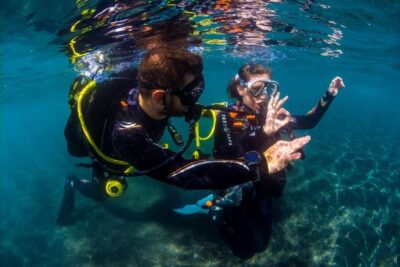 ★ 5.0Santa Cruz de Tenerife: Beginner’s Diving & IntroductionFrom $89136 reviews
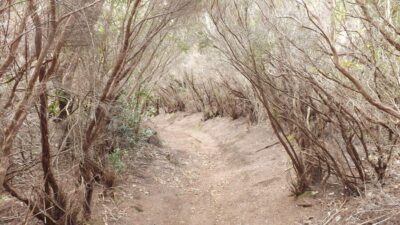 ★ 4.8Santa Cruz de Tenerife: 2-Hour Hiking Tour in Anaga ForestFrom $50133 reviews
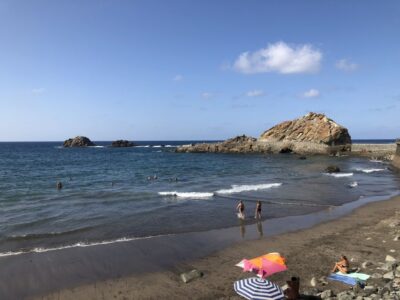 ★ 3.5Santa Cruz, La Laguna and Anaga TourFrom $6167 reviews
 ★ 3.8Santa Cruz Guided Bike Tour 1.5 hourFrom $2467 reviews
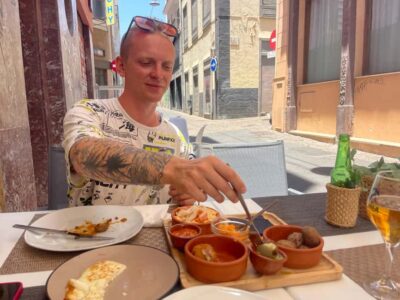 ★ 3.9Santa Cruz guided bike tour 1,5 hour + TapasFrom $4261 reviews
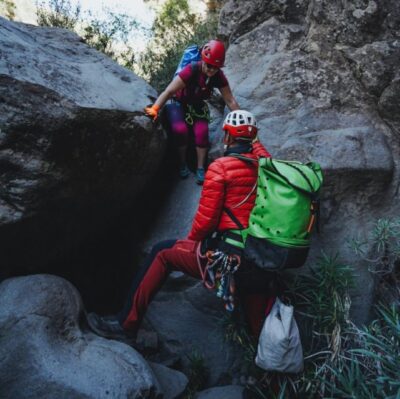 ★ 5.0Santa Cruz de Tenerife: Vilaflor Canyoning TourFrom $7749 reviews
Browse the lists this tour appears in