Reviewed · SCUBA DIVING
PADI Open Water Diving Course Tenerife
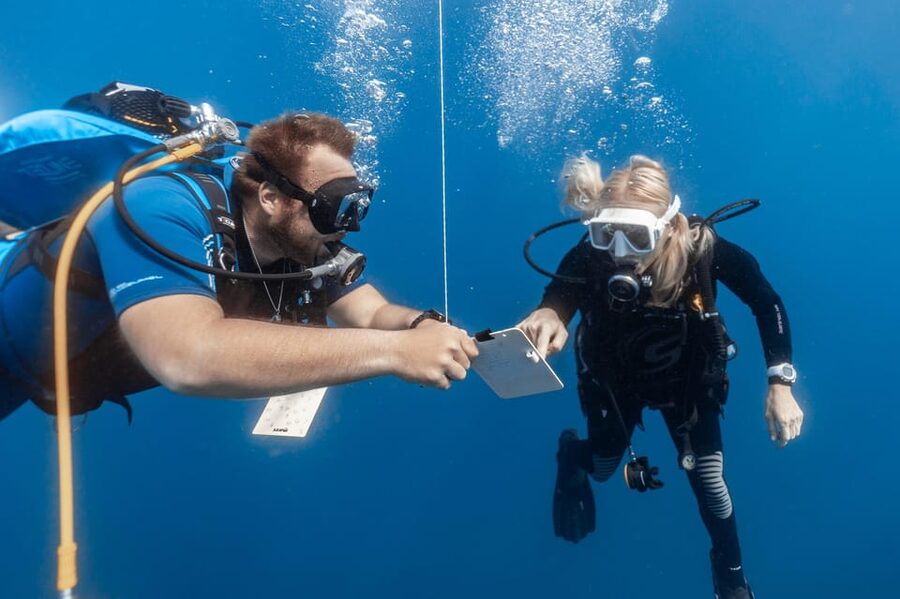
The first time you breathe underwater, everything clicks. This PADI Open Water course in Tenerife gives you hands-on, instructor-led training with a small group vibe, plus a globally recognized certificate. I especially like the steady coaching during the practical water sessions and the way the theory is handled with online materials; one thing to consider is that it’s not suitable if you have certain medical conditions or you’re a non-swimmer.
I also like how the training is structured day by day, so you’re not just winging it once you hit open water. You’ll start with theory, build skills in a sheltered bay setting, then progress to open-water boat outings with feedback each day. You’ll leave with certification processing underway after you finish the required components.
In This Review
- Key takeaways before you go
- Tenerife’s PADI Open Water course: what it’s really for
- Your schedule in real life: a 5-day program with 3–4 days of training
- Day 1: instructor meet-and-greet and the theory you actually need
- Confined training on the bay: learn control before open water
- Open-water sessions 1 and 2 (Day 2): your first real tests, with support
- Open-water sessions 3 and 4 (Day 3): deeper, longer, same focus
- Certification: your PADI credential and what it means for future trips
- Why the instruction quality matters more than the marketing
- Gear, insurance, and photo memories: the parts that reduce stress
- Price and value: is $494 a fair deal?
- Getting there: pickup, small-group flow, and what to pack
- Who this suits best (and who should skip it)
- Should you book the PADI Open Water course in Tenerife?
- FAQ
- What certification do I get at the end of the course?
- How deep can I be certified for?
- What’s included in the price?
- Is the course taught in English?
- How big is the group?
- How long does the course take?
- Is pickup included from my hotel?
- What should I bring with me?
Key takeaways before you go
- Small group sizes (up to 4): you get more time and attention when skills feel new.
- Real coaching from PADI-certified instructors: the pace is adjustable, with tips and correction during training.
- Step-by-step open-water progression: earlier sessions focus on control, later ones go deeper and longer.
- All gear included: you don’t need to hunt down a mask, regulator, or wetsuit before you arrive.
- Online theory in multiple languages: English, Spanish, Italian, Russian, and French supported.
- Lifetime validity + insurance included: your certificate is good for life, and coverage is part of the package.
More dives along the Tenerife coast
- Southern Tenerife: 50-Minute Submarine Dive★ 4.8 · 2,216 reviews
- Tenerife: Your First Scuba Diving Experience in Turtle Area★ 4.7 · 1,679 reviews
- Tenerife: Beginner’s Dive at a Spot with Turtle Sightings★ 4.7 · 627 reviews
- Tenerife First Time Scuba Dive – Turtle Habitat, Small Groups★ 4.5 · 456 reviews
Tenerife’s PADI Open Water course: what it’s really for
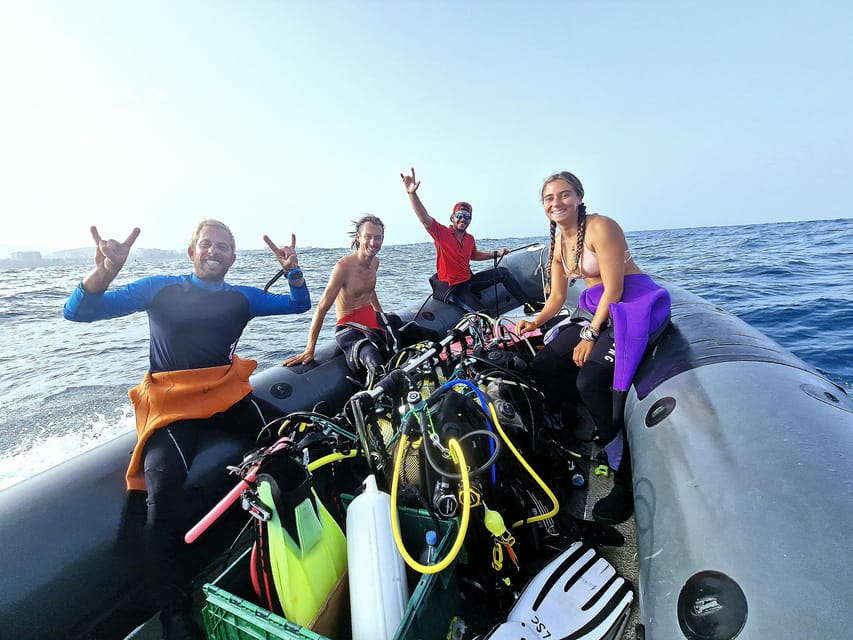
This course is built for people who want their first certification without drama. In practical terms, you’re learning how to be an independent scuba participant: how to use your equipment, manage breathing, follow procedures, and stay calm when conditions change a bit.
Tenerife is a strong choice for this because you’re training in clear, warm waters suited to beginners. You’ll also get the famous underwater spot on the island, which helps turn the whole week from classroom work into something you’ll remember for years.
And yes, the “zero gravity” feeling is real in the way that matters. Once you get your breathing rhythm and buoyancy under control, you stop thinking like you’re fighting the water and start moving like you’re floating. That mental switch is a big reason this kind of certification is worth it.
Your schedule in real life: a 5-day program with 3–4 days of training
The total duration is listed as 5 days, but the core learning happens across about 3 to 4 days. That matters because you’ll want to plan the rest of your Tenerife time with some breathing room, especially if you’re pairing this course with other activities.
Here’s how the flow typically feels:
- Day 1 starts with meeting your instructor and handling the theory side.
- Days 2 and 3 are the main practical portion, with open-water sessions split into multiple outings.
- The final steps come after you complete both theory and practical requirements, with your PADI certification processed.
If you’re someone who likes structure, this is a good setup. If you’re hoping to “just do the water part,” know that theory and checkouts are part of the deal.
Day 1: instructor meet-and-greet and the theory you actually need
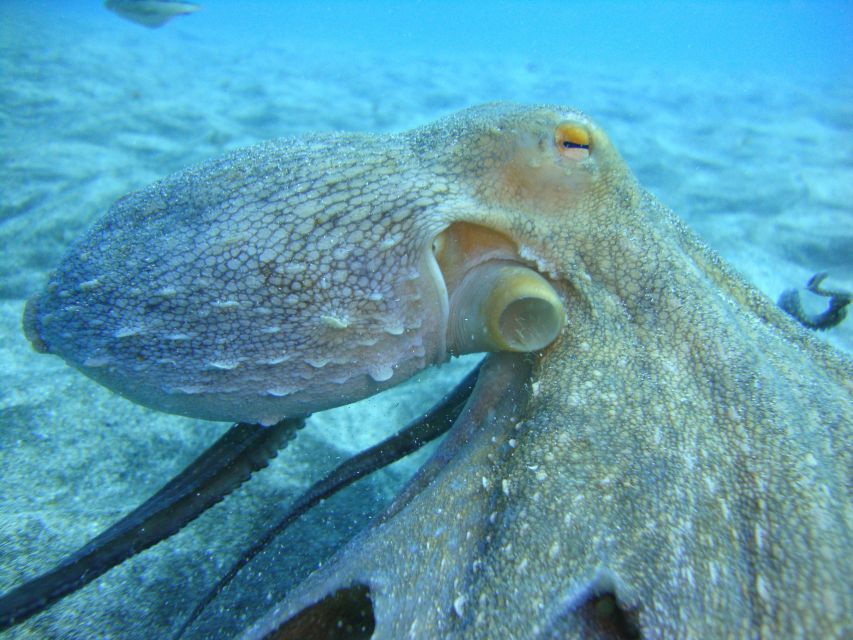
Day 1 begins with a meet-and-greet at the training center. Your PADI-certified instructor stays with you through the entire course, so you’re not relearning basics from different people or trying to match voices and teaching styles.
Then you work through scuba principles. You’ll cover the why behind the rules: how your equipment works, what can go wrong, and how to handle situations safely. This is where a lot of beginners can feel a little overwhelmed, not because it’s hard, but because it’s new.
The course uses online theory materials available in different languages. That’s useful because you can review concepts at your own speed. When theory is clear, the practical sessions feel more like skill-building than test-taking.
Confined training on the bay: learn control before open water
Before you’re sent out farther, you practice in a sheltered bay area. That confined water training is a smart pacing choice. It gives you a low-stress place to focus on fundamentals like calm breathing, buoyancy control, and how to move without panicking.
This is also where small issues get fixed early. If your mask feels uncomfortable or your weighting needs adjustment, you’ll find out here rather than in open water. And if you learn better by repetition, the bay setting makes that possible.
More dives along the Tenerife coast
Open-water sessions 1 and 2 (Day 2): your first real tests, with support
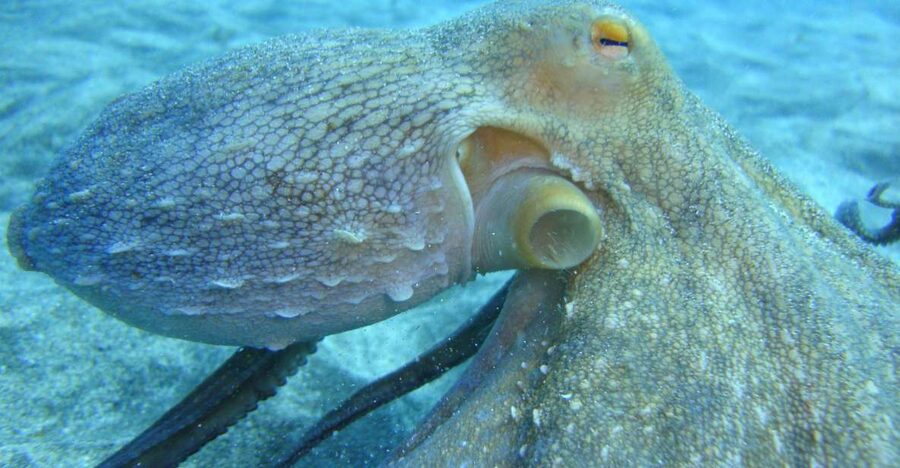
Day 2 is where the week becomes physical. You’ll do open-water sessions 1 and 2 under close supervision of your instructor.
The waters in Tenerife are described as clear and warm, which matters for a first certification. You want visibility and comfort so your attention can stay on skills rather than battling cold or feeling lost.
What you should expect:
- You’ll apply what you learned in theory and bay practice.
- Your instructor watches your technique and gives tips in the moment.
- You’re building confidence with each controlled skill set.
Also, because the group is small, there’s less waiting around. That keeps momentum high, and you don’t end up feeling like you’re spending the day watching other people.
Open-water sessions 3 and 4 (Day 3): deeper, longer, same focus
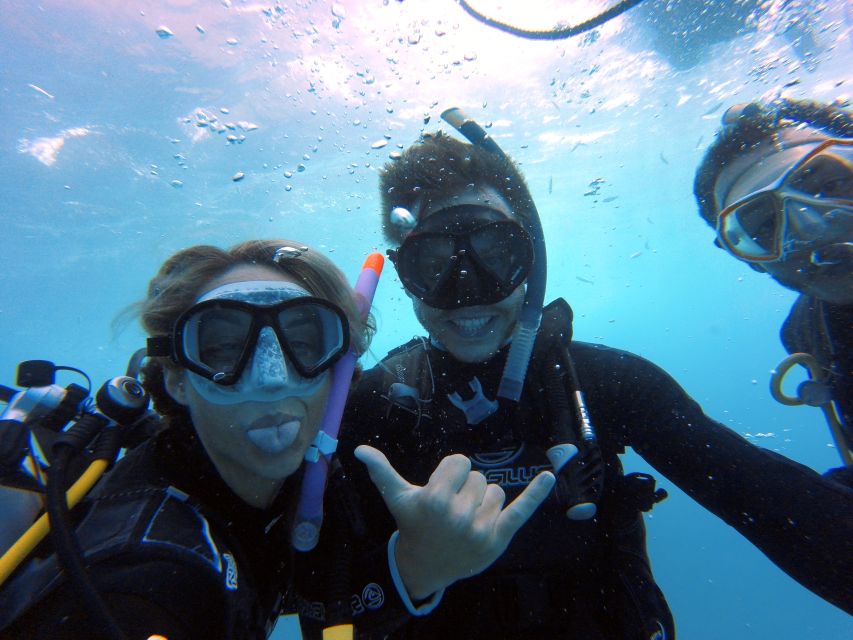
On Day 3 you complete sessions 3 and 4. These typically go deeper and last longer than the earlier ones. The point isn’t to “go as far as possible.” It’s to practice staying consistent when the conditions change a bit.
This is where many people realize they can trust the process:
- Your breathing stays steady.
- Your buoyancy doesn’t collapse when you feel pressure changes.
- You follow procedures without needing to think through every step from scratch.
If you get an instructor who’s patient, that experience feels smoother. In the reviews, instructors like Julia are singled out for being patient and thorough, and Davide is mentioned for being super clear and professional. That coaching style is exactly what you want during the learning curve.
Certification: your PADI credential and what it means for future trips
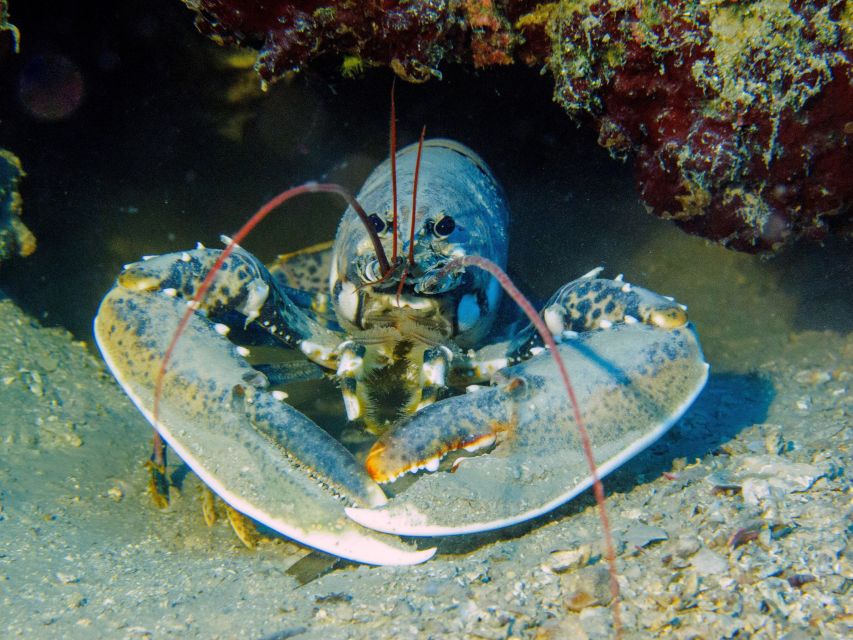
Once you finish the required theoretical and practical components, your certification is processed. That’s the big payoff at the end of the week.
A few key details you can count on from the course info:
- Certification is globally recognized.
- It qualifies you for certification training for up to 18 meters for participants aged 15+.
- The certification is valid for whole life.
That lifetime validity is a real value point. Scuba gear and travel costs add up, but a credential that never expires helps you justify future ocean plans. And because this certification is recognized worldwide, you’re not locked into one region.
Why the instruction quality matters more than the marketing
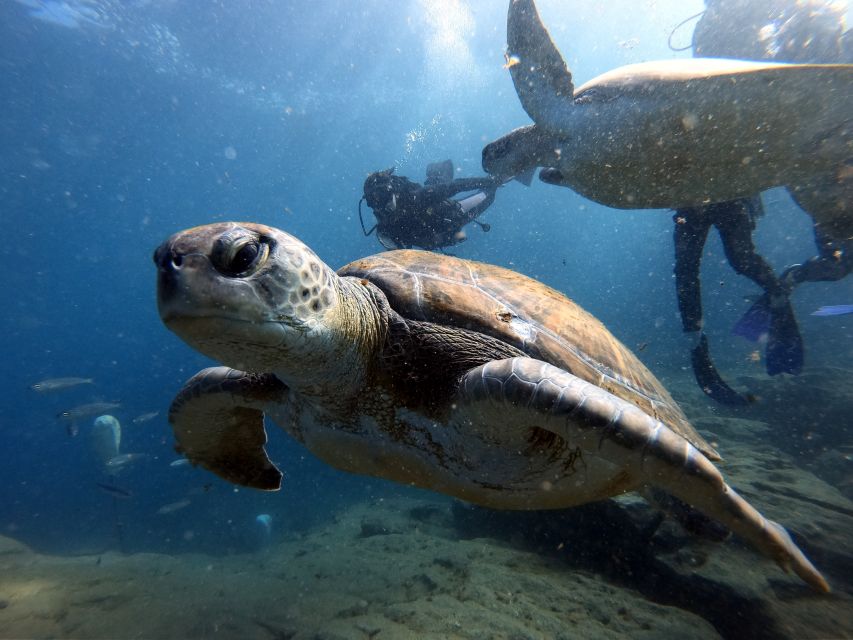
A PADI course isn’t just about passing. It’s about leaving with habits you can actually use.
That’s why the instructor component stands out. The course includes personalized instruction from experienced PADI-certified instructors who stay with you throughout the entire training. In practical terms, that means:
- You get corrected while you still remember what the right method feels like.
- You learn how to respond when something doesn’t feel perfect.
- You ask questions and get direct answers instead of studying alone.
It also helps that the group is capped at 4 participants. You’re not one of a crowd. You’re one of a few.
Gear, insurance, and photo memories: the parts that reduce stress
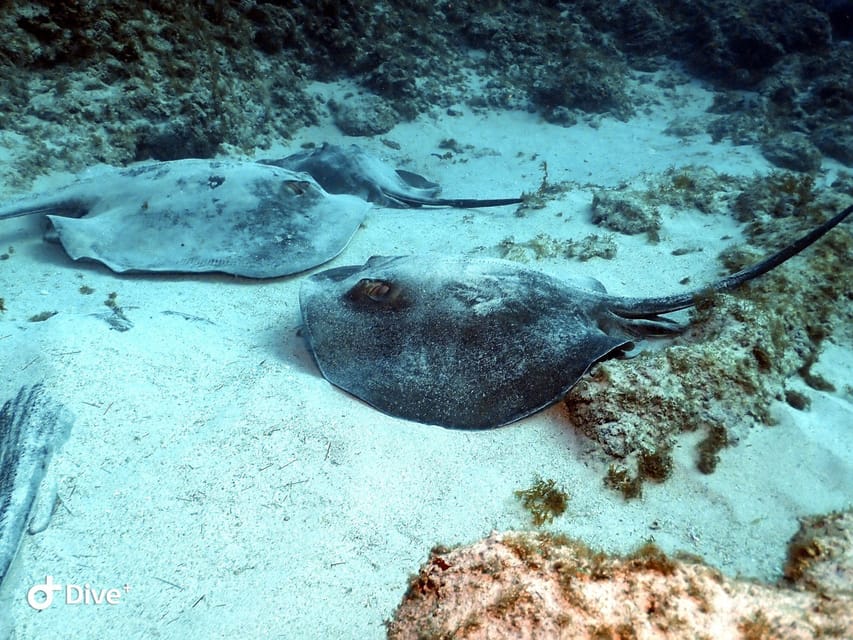
The package includes full scuba gear, which is a big deal for first-timers. You don’t have to guess what size mask you’ll need or whether your equipment rental will work well on the day you’re training.
You also get:
- Online theory materials (available in different languages).
- Full insurance.
- Photo memories.
That last bit matters more than people think. First-time certification weeks are intense, and you’ll likely forget what you were doing at specific moments once you’re back on land. Having photo memories gives you something to look back at when you’re telling friends what the week was like.
Price and value: is $494 a fair deal?
At $494 per person, this course sits in a reasonable mid-range for certification packages, especially because it includes full gear and full instruction support for the whole learning period.
Here’s what you’re paying for beyond the certificate:
- Structured learning across theory and multiple practical sessions.
- Four open-water boat outings as part of the open-water training portion.
- Confined training on the bay to build skills before you go farther.
- Equipment supplied so you can focus on learning, not logistics.
The value is strongest if you’re traveling to Tenerife anyway and want the complete course package handled. If you already have your own gear and you’re set on making this happen quickly, it’s still likely fair—because the instruction and certification processing are the real cost drivers.
If you’re unsure you’ll enjoy it, the fact that it includes training support and a real progression plan reduces your risk of wasting time. You don’t have to “hope for the best.”
Getting there: pickup, small-group flow, and what to pack
Pickup is included, and pickup points are normally in front of hotels. After you book, you’ll be asked for pickup information through email so the team can send the appropriate time.
That’s helpful because it prevents the most common first-timer stress: figuring out transport while you’re already thinking about underwater safety.
For what to bring, keep it simple:
- Swimwear
- Towel
- Sunscreen
Do yourself a favor and bring sunscreen you actually like using. You’ll be in Tenerife sun before and after water time.
Who this suits best (and who should skip it)
This course is not suitable for:
- Children under 10
- Pregnant women
- People with heart problems
- Non-swimmers
- People with pre-existing medical conditions
If any of those apply, you shouldn’t force it. Even with a supervised, beginner-friendly setting, the course isn’t designed for that risk level. If you’re on the edge health-wise, treat this as a reason to talk with a clinician first.
Who tends to love it:
- First-timers who want clear structure and close instructor support.
- People who like small groups and direct feedback.
- Anyone hoping to turn Tenerife into more than a photo stop by training their way into underwater experiences.
Should you book the PADI Open Water course in Tenerife?
I think you should book this if you want your first certification handled end to end: theory, bay practice, open-water sessions with feedback, and a globally recognized PADI credential. The combination of small group size, experienced instructor support, and included gear reduces the common pain points that derail learning weeks.
I’d hesitate if you’re not comfortable meeting the course requirements or if you’re unsure you can participate given the medical restrictions listed. And if you’re the type who hates structured training schedules, note that this is a real course, not a casual try-it session.
If you’re ready to commit to the learning process, Tenerife is a strong place to do it. You’ll go from learning equipment and breathing basics to finishing the week with certification that can carry you into future water adventures.
FAQ
What certification do I get at the end of the course?
You complete the PADI Open Water certification process, which is globally recognized and valid for whole life.
How deep can I be certified for?
The certification allows for dives up to 18 meters for participants aged 15+.
What’s included in the price?
The package includes full open-water training, confined water training on the bay, 4 open-water boat outings, full scuba gear, online theory materials, full insurance, and photo memories.
Is the course taught in English?
Yes. The instructor languages listed are English, Spanish, Italian, Russian, and French.
How big is the group?
It’s a small group limited to 4 participants.
How long does the course take?
The duration is 5 days, with the main training spread across about 3 to 4 days.
Is pickup included from my hotel?
Yes. Pickup is included, and pickup information is collected by email after booking, with pickup points normally in front of hotels.
What should I bring with me?
Bring swimwear, a towel, and sunscreen.
If you want, tell me your age, swim comfort level, and your preferred travel dates, and I’ll help you judge whether the course fits your schedule and expectations.
More Dives Off Tenerife
- Southern Tenerife: 50-Minute Submarine Dive
★ 4.8 · 2,216 reviews - Tenerife: Your First Scuba Diving Experience in Turtle Area
★ 4.7 · 1,679 reviews - Tenerife: Beginner’s Dive at a Spot with Turtle Sightings
★ 4.7 · 627 reviews - Tenerife First Time Scuba Dive – Turtle Habitat, Small Groups
★ 4.5 · 456 reviews - Tenerife: Beginner Scuba Dive Experience
★ 4.8 · 238 reviews
More Tour Reviews in Tenerife
- Siam Park Entry Tickets
★ 4.5 · 15,710 reviews - Tenerife: Eco-Yacht Whale and Dolphin Watching and Swimming
★ 4.7 · 15,619 reviews - Los Cristianos Respectful No-Chase Whale and Dolphin Safari
★ 4.6 · 12,782 reviews - Tenerife: Loro Parque Entry Ticket
★ 4.8 · 12,411 reviews - Loro Parque and Siam Park Combined Admission Tickets
★ 4.7 · 7,307 reviews
More Dives Off Tenerife
- Southern Tenerife: 50-Minute Submarine Dive
★ 4.8 · 2,216 reviews - Tenerife: Your First Scuba Diving Experience in Turtle Area
★ 4.7 · 1,679 reviews - Tenerife: Beginner’s Dive at a Spot with Turtle Sightings
★ 4.7 · 627 reviews - Tenerife First Time Scuba Dive – Turtle Habitat, Small Groups
★ 4.5 · 456 reviews - Tenerife: Beginner Scuba Dive Experience
★ 4.8 · 238 reviews
Just Added: Fresh Tenerife Reviews


Scuba Diving, compared.
 ★ 4.8Southern Tenerife: 50-Minute Submarine DiveFrom $722,216 reviews
 ★ 4.7Your First Scuba Diving Experience in Turtle AreaFrom $841,679 reviews
 ★ 4.7Beginner’s Dive at a Spot with Turtle SightingsFrom $82627 reviews
 ★ 4.5Tenerife First Time Scuba Dive – Turtle Habitat, Small GroupsFrom $90456 reviews
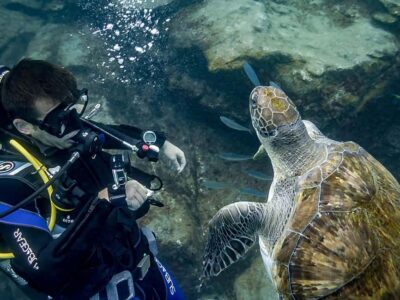 ★ 4.8Beginner Scuba Dive ExperienceFrom $83238 reviews
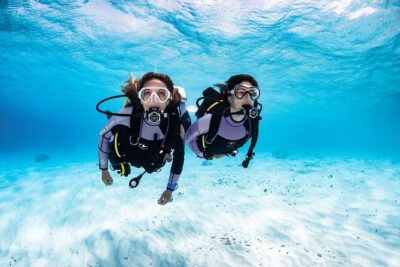 ★ 5.0Try Dive – PADI Discover Scuba Diving in TenerifeFrom $156214 reviews
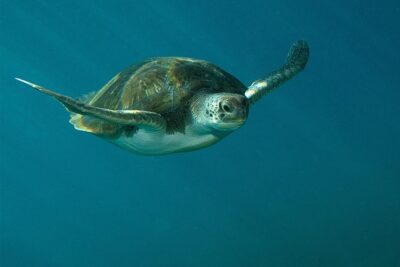 ★ 5.0RECREATIONAL DIVE (certified divers only) : Explore Canarian SealifeFrom $114174 reviews
 ★ 4.7Abades Beach Beginner Diving ExperienceFrom $100164 reviews
Browse the lists this tour appears in