
Reviewed · SCUBA DIVING
PADI Open Water Diver Course
Tenerife turns first-timers into confident underwater swimmers. This PADI Open Water Diver course with Ocean Trek pairs classroom basics with hands-on skill practice in the water around Costa Adeje. You’re not just watching from the edge either; you’ll build buoyancy and control step by step with instructors you can actually ask questions to.
What I like most is the calm, focused coaching from people like Juan, plus the way the training is paired with fun underwater time (think turtles, rays, and lots of fish). One possible drawback: your schedule can run long after a morning session, and you may not be back at your hotel until after 2 pm.
In This Review
- Key things that make Ocean Trek’s OWD course work
- Price and what you’re really paying for
- Where it happens in Tenerife (and why location matters)
- What the PADI Open Water Diver course feels like day-to-day
- Your itinerary rhythm: 3 days, theory plus skills, with water time twice daily
- Stop 1: Ocean Trek and what you should expect on arrival
- Marine life you can reasonably hope to see
- Instructors: where the quality really shows
- The schedule factor: how to plan your clothing and comfort
- Skills tips that can save your ears and your stamina
- Small group vs. crowded learning: why it’s not a minor detail
- What happens after you earn your license
- Who this course suits best
- Should you book Ocean Trek’s PADI Open Water Diver course?
- FAQ
- How long is the PADI Open Water Diver course in Tenerife?
- What does the $792.16 per person price include?
- Is lunch included?
- Does the course offer hotel pickup?
- Where is the meeting point?
- What language is instruction offered in?
- What is the minimum age?
- Do I need previous scuba experience?
- What wildlife can I expect to see during the course?
- After I finish the course, can I dive on my own elsewhere?
- Do I need good weather?
Key things that make Ocean Trek’s OWD course work
- Small-group learning that keeps your pace in mind, not some factory line
- Full equipment included, plus course materials and a logbook
- Multiple training sessions across different underwater sites (and you’ll see plenty of marine life)
- PADI fees included in the package price, so fewer surprises later
- Hotel pickup available by request (within stated distances) in the Costa Adeje area
- Certification carries onward value: you can rent gear and arrange tank fills worldwide after you’re licensed
More dives along the Tenerife coast
- Southern Tenerife: 50-Minute Submarine Dive★ 4.8 · 2,216 reviews
- Tenerife: Your First Scuba Diving Experience in Turtle Area★ 4.7 · 1,679 reviews
- Tenerife: Beginner’s Dive at a Spot with Turtle Sightings★ 4.7 · 627 reviews
- Tenerife First Time Scuba Dive – Turtle Habitat, Small Groups★ 4.5 · 456 reviews
Price and what you’re really paying for
At $792.16 per person for about three days, this isn’t a “cheap and cheerful” weekend. But it does bundle a lot of the costs that usually pop up later: full gear, course literature, the logbook, PADI license fees, and even bottled water. Lunch is the main thing you’d need to budget for yourself.
In my view, the best value here is the instructor-to-student feel. The training is designed for proper skill progress, not just getting you through checkmarks. If you want your first Open Water Diver certification to feel safe, understandable, and repeatable, paying for solid coaching (and doing real underwater work) is usually money well spent.
Where it happens in Tenerife (and why location matters)
The meeting point is Ocean Trek on C. Valencia in Costa Adeje (38660). The course is set up around local access to underwater sites, which matters because you’ll be in the water multiple times over a short window.
Pickup is available by request, with limits based on distance from the dive center. If you’re staying in the Costa Adeje area, this is the kind of setup that saves you from scrambling for transport while you’re trying to focus on skills. Also, the start and end point are the same, so you’re not piecing together a complicated commute after each session.
What the PADI Open Water Diver course feels like day-to-day
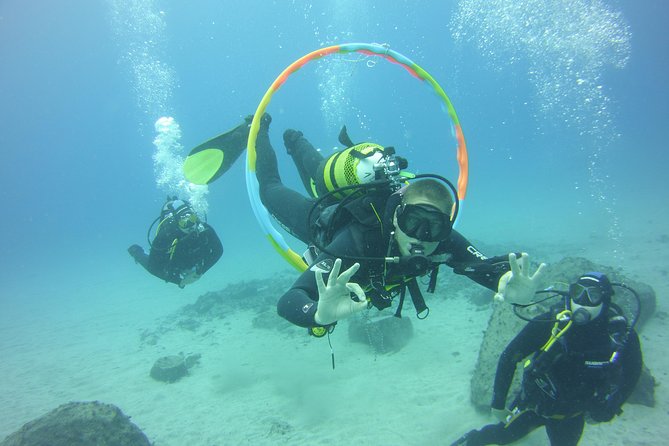
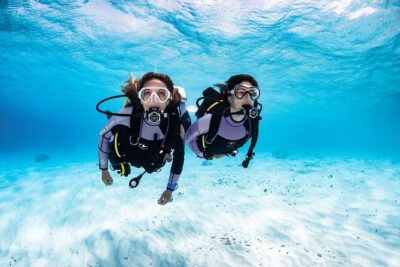
You’ll learn theory and the practical basics of scuba at a steady pace in a small group. The program mixes knowledge with doing. That’s the point: you’re learning why things work, then practicing until the steps start to feel automatic.
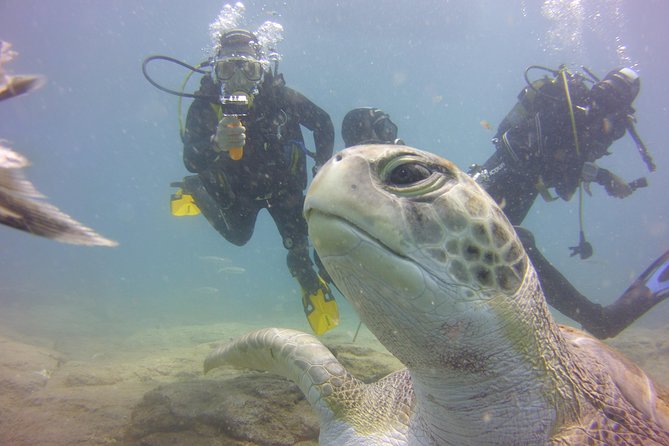
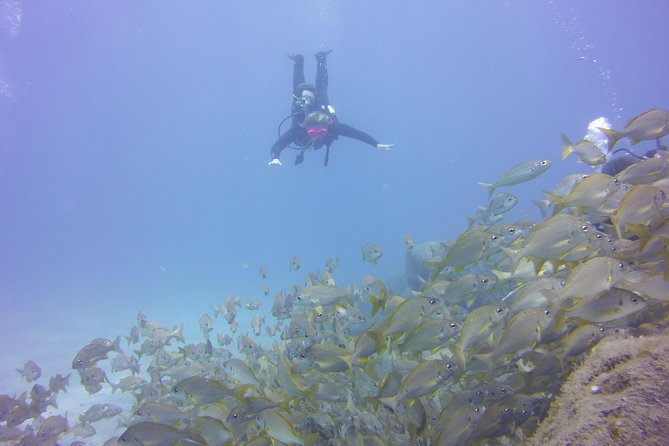
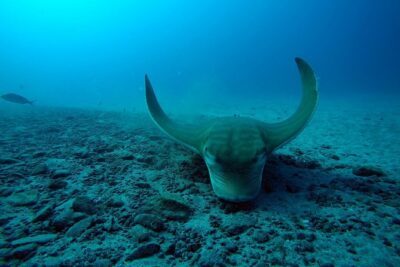
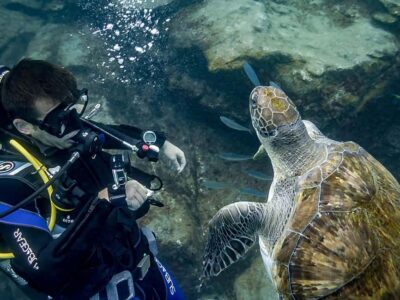
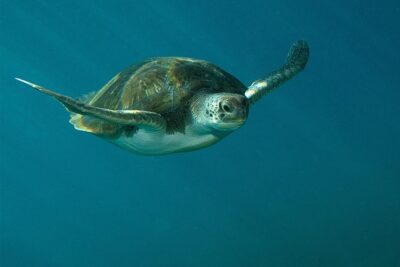
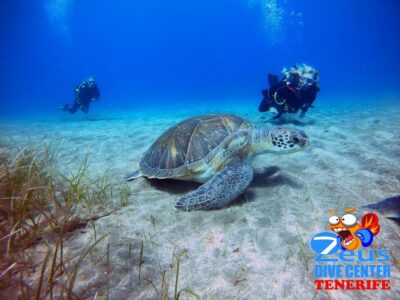
Then you get your underwater sessions where you practice the required skills and also get time to look around. Tenerife is known for an interesting volcanic underwater world, and you’ll see plenty of fish during the course. Multiple students specifically mention highlights like sea turtles and rays, and sightings of animals like octopus and cuttlefish (sepia), plus stingrays.
A key detail: the course is built around small groups. That can change everything. With fewer people in the same water, your instructor can check your buoyancy, your breathing rhythm, and your equipment setup without you feeling rushed.
Your itinerary rhythm: 3 days, theory plus skills, with water time twice daily
The course runs for about three days. The day structure is built around theory prep plus practical skill work, then underwater sessions. In plain terms, you should expect a schedule that feels active but not chaotic: short explanations, guided practice, and then repetition until you can do it correctly under supervision.
A recurring pattern in how this course runs:
- You’ll start with basic familiarization and trial water work.
- The next sessions focus on required skills in relatively shallow conditions.
- You’ll likely do enough real practice that you leave knowing how to control buoyancy and manage your breathing, not just how to pass a test.
One practical note from a student experience: when you have a morning session, you may not return to your hotel until after 2 pm. So plan a slow lunch, a long reset afterward, and don’t schedule anything that depends on you being fully functional before mid-afternoon.
More dives along the Tenerife coast
Stop 1: Ocean Trek and what you should expect on arrival
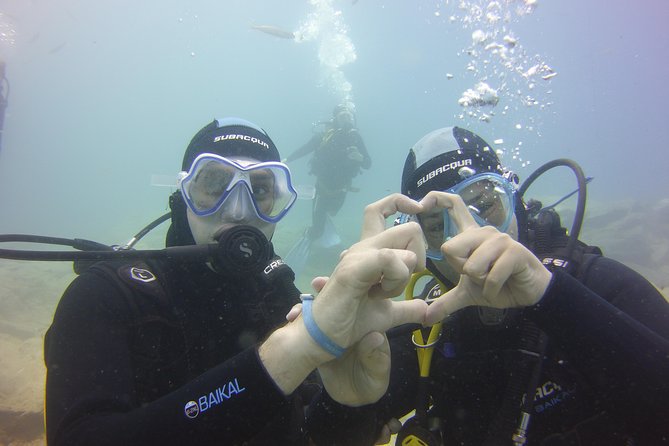
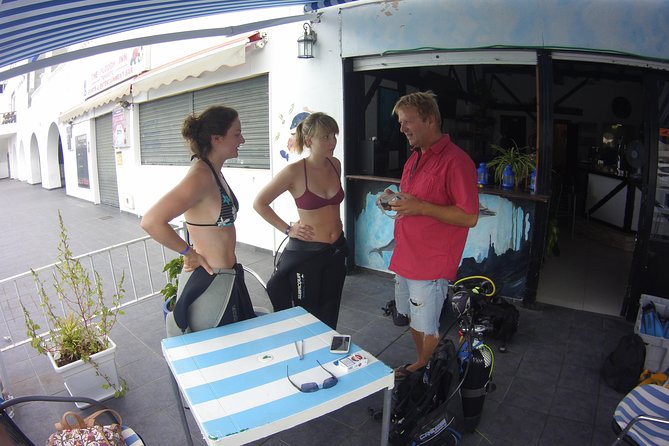
On day one, you’ll meet at Ocean Trek in Costa Adeje. From there, the operation is set up for a smooth flow: equipment fit, course briefing, and then theory/practical orientation depending on the day’s plan.
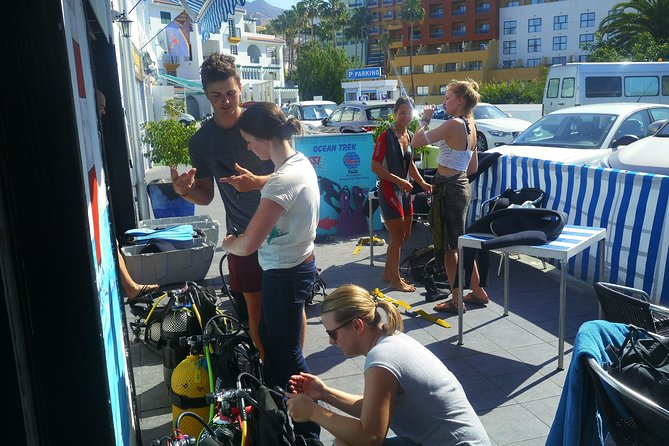
Included is the full set of diving gear, so you don’t need to show up hunting for masks, regulators, or wetsuits. If something doesn’t fit right, the shop setup is meant to solve that on-site so you can focus on learning. You’ll also get course literature and a logbook, which is a small thing that helps a lot because you can track your skills as you go.
Also, bottled water is included. That sounds minor until you’re doing repeated in-water time in a warm Atlantic climate.
Marine life you can reasonably hope to see
While you can’t guarantee wildlife on any water trip, the training area and sites around Tenerife give you a strong chance for memorable sightings. Students call out:
- Sea turtles
- Stingrays and rays
- Octopus and sepia (cuttlefish)
- Barracudas and lots of fish
The volcanic underwater world part is real, too. Even if your main goal is certification, you’re going to spend enough time underwater that you’ll get more than a quick look. The course is structured so you’re not stuck only doing skills the whole time.
Instructors: where the quality really shows
The most repeated positive theme is the instructor vibe: calm, careful, and very hands-on with safety and technique.
Names you may run into include Juan, Gerhard (the owner mentioned by multiple students), and instructors such as Manuel, plus team members like Nelly, Gema, Pauli, Ryan, Maria, and Sean in different training groups. Even when students differ in who they worked with, the theme stays consistent: explain, demonstrate, then practice until you’re comfortable.
That approach matters because your first Open Water certification is basically a system for building trust with your equipment and your body in a new environment. The best training helps you understand what to do, not just memorize steps.
The schedule factor: how to plan your clothing and comfort
You’ll be in and out of gear. That means you should pack like you’re going to be damp and salty.
Here’s what I’d copy from what worked well for a prior student:
- Bring dry clothes and small towel items for after each session, because salt can build up on car covers if you’re not careful.
- Consider a dressing-room poncho for changing in busy parking areas.
- Be ready for hot or dirty substrate when you move around, and wear footwear you don’t mind getting sandy.
Also, bring dry basics even if you think you’ll be fine. In warm-water training, it’s the “between sessions” comfort that affects your mood and energy for the rest of the day.
Skills tips that can save your ears and your stamina
One student shared a few practical coaching reminders that are worth taking seriously for your comfort and safety:
- Pressure equalization: do it early and gently as soon as you feel pressure, and don’t force it hard. Slow and controlled is the goal.
- If your ears already hurt from too much force, don’t expect to magically power through. Plan to manage equalization carefully on every descent.
- Calf muscles: don’t overwork them on land. People can cramp if they push too hard with walking or treading around the training area.
You don’t need to become an expert before you arrive. But you do want to arrive ready to practice the basics without stubbornness. If you follow the instructor’s cues, you’ll likely feel the difference quickly.
Small group vs. crowded learning: why it’s not a minor detail
Ocean Trek runs as a small operation, and students describe groups that can be around four people with instructors, rather than large crowds. That kind of ratio is more than a nice perk.
It helps you:
- Get corrections fast (buoyancy and trim tend to need frequent micro-adjustments)
- Ask questions without feeling rushed
- Practice skills without waiting for your turn while others take over the instructor’s time
If you’ve ever learned anything hard, you know the truth: feedback timing matters. Small groups help the learning stick.
What happens after you earn your license
After the course, you’re entitled to independently dive worldwide, rent equipment, and have scuba tanks filled. That’s the real reason you’re doing a structured Open Water course instead of just taking a one-day experience.
In other words, your certification isn’t a receipt that ends here. It’s a ticket to keep going. Tenerife is also a great launch point because you’ll likely want to return and build experience in the same area you learned.
Who this course suits best
This works well if you:
- Want PADI Open Water Diver certification in about three days
- Like the idea of small-group instruction and hands-on coaching
- Are motivated by seeing real marine life while you learn required skills
- Prefer a plan with hotel pickup by request (within the stated limits)
It also helps if you’re in a reasonable state of health and have moderate physical fitness. You don’t need to be an athlete, but you do need to manage repeated sessions and basic gear work.
Should you book Ocean Trek’s PADI Open Water Diver course?
If your goal is a first certification with clear instruction, careful skill practice, and underwater time that doesn’t feel like punishment, I’d lean yes. The included gear, course materials, and PADI license fees make the price easier to justify, and students consistently highlight instructors like Juan and Gerhard for calm, effective coaching.
I’d think twice only if your schedule can’t handle an active three-day window or if you’re the type who gets stressed by weather-dependent planning. The course depends on good weather, so if you’re booking a tight travel itinerary, keep a little flexibility.
FAQ
How long is the PADI Open Water Diver course in Tenerife?
It runs for about 3 days.
What does the $792.16 per person price include?
It includes pickup and drop-off within the stated area, full diving equipment, course literature, a logbook, PADI license fees, and bottled water.
Is lunch included?
No, lunch is not included.
Does the course offer hotel pickup?
Yes, pickup is available by request, with stated limits on distance from the dive center.
Where is the meeting point?
The start is Ocean Trek on C. Valencia, 38660 Costa Adeje, Santa Cruz de Tenerife, Spain, and it ends back at the meeting point.
What language is instruction offered in?
The course is offered in English.
What is the minimum age?
The minimum age is 10 years.
Do I need previous scuba experience?
You’ll start with basic training and trial work designed for beginners, so you can begin without prior experience.
What wildlife can I expect to see during the course?
You may see sea turtles, rays, octopus, sepia, stingrays, and lots of fish, depending on the underwater sites and conditions.
After I finish the course, can I dive on my own elsewhere?
Yes. After certification, you’re entitled to independently dive worldwide, rent equipment, and have scuba tanks filled.
Do I need good weather?
Yes. The experience requires good weather, and if it’s canceled due to poor conditions, you’ll be offered another date or a full refund.
More Dives Off Tenerife
- Southern Tenerife: 50-Minute Submarine Dive
★ 4.8 · 2,216 reviews - Tenerife: Your First Scuba Diving Experience in Turtle Area
★ 4.7 · 1,679 reviews - Tenerife: Beginner’s Dive at a Spot with Turtle Sightings
★ 4.7 · 627 reviews - Tenerife First Time Scuba Dive – Turtle Habitat, Small Groups
★ 4.5 · 456 reviews - Tenerife: Beginner Scuba Dive Experience
★ 4.8 · 238 reviews
More Tour Reviews in Tenerife
- Siam Park Entry Tickets
★ 4.5 · 15,710 reviews - Tenerife: Eco-Yacht Whale and Dolphin Watching and Swimming
★ 4.7 · 15,619 reviews - Los Cristianos Respectful No-Chase Whale and Dolphin Safari
★ 4.6 · 12,782 reviews - Tenerife: Loro Parque Entry Ticket
★ 4.8 · 12,411 reviews - Loro Parque and Siam Park Combined Admission Tickets
★ 4.7 · 7,307 reviews
More Dives Off Tenerife
- Southern Tenerife: 50-Minute Submarine Dive
★ 4.8 · 2,216 reviews - Tenerife: Your First Scuba Diving Experience in Turtle Area
★ 4.7 · 1,679 reviews - Tenerife: Beginner’s Dive at a Spot with Turtle Sightings
★ 4.7 · 627 reviews - Tenerife First Time Scuba Dive – Turtle Habitat, Small Groups
★ 4.5 · 456 reviews - Tenerife: Beginner Scuba Dive Experience
★ 4.8 · 238 reviews
Just Added: Fresh Tenerife Reviews


Scuba Diving, compared.
 ★ 4.8Southern Tenerife: 50-Minute Submarine DiveFrom $722,216 reviews
 ★ 4.7Your First Scuba Diving Experience in Turtle AreaFrom $841,679 reviews
 ★ 4.7Beginner’s Dive at a Spot with Turtle SightingsFrom $82627 reviews
 ★ 4.5Tenerife First Time Scuba Dive – Turtle Habitat, Small GroupsFrom $90456 reviews
 ★ 4.8Beginner Scuba Dive ExperienceFrom $83238 reviews
 ★ 5.0Try Dive – PADI Discover Scuba Diving in TenerifeFrom $156214 reviews
 ★ 5.0RECREATIONAL DIVE (certified divers only) : Explore Canarian SealifeFrom $114174 reviews
 ★ 4.7Abades Beach Beginner Diving ExperienceFrom $100164 reviews
Browse the lists this tour appears in