
Reviewed · SCUBA DIVING
PADI Advanced Open Water Diver Course (AOWD) – 2 days
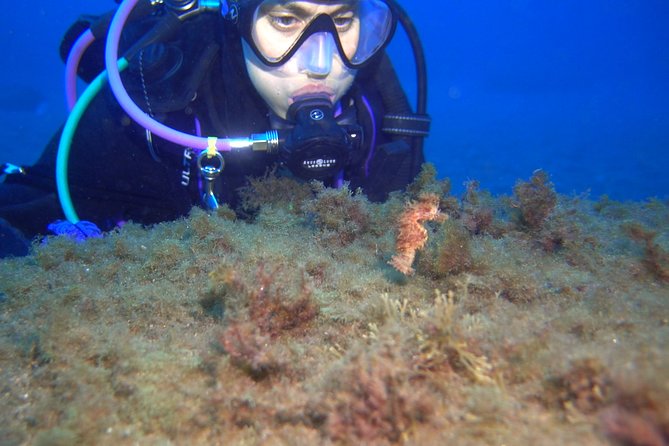
Tenerife turns new scuba skills into confidence fast. This small-group PADI Advanced Open Water Diver course in English is built for people stepping up from Open Water, with close coaching from instructors like Pauline, Giulia, and Fran. I especially like that you get included gear and a mix of training styles, from buoyancy and navigation to deep/shipwreck work and your first night water session. The main catch: you must already be a certified Open Water Diver and be fit enough to participate.
The course runs from the Scubanana shop in Radazul (start time 9:00am), and it’s structured around Adventure-style underwater sessions that also tie to PADI specialty progress. You’ll log your training, practice under supervision, and finish the two days back at the meeting point.
Because the group size tops out at 8, you should expect more personal feedback than you’d get on a bigger, drop-in outing. If you’re the type who wants a controlled learning pace before going off on your own, this format makes a lot of sense.
In This Review
- Key things to know before you go
- Scubanana in Radazul: the easy starting point
- What PADI AOWD adds after Open Water
- Getting specialty credit (if it fits your plan)
- Your two days: a realistic picture of the sessions
- Day 1: buoyancy and navigation work with Pauline and Giulia
- Day 2: deep and shipwreck sessions, then a night water session with Fran
- The shipwreck component
- Gear, materials, and what to bring for comfort
- Not included items to plan for
- Price and value: is $539.48 fair?
- Logistics that make the course easier
- Who should book this AOWD course in Tenerife
- Should you book PADI AOWD with Scubanana in Tenerife?
- FAQ
- Do I need to be a certified Open Water Diver?
- What time does the course start?
- Where is the meeting point?
- Is gear included in the price?
- Are photos included?
- How soon can I fly after the course?
Key things to know before you go
- Small group size (max 8) means tighter control and more direct instructor attention.
- Included equipment and PADI fees cut down the usual “add-on” costs for training.
- Five-session AOWD structure (including night and wreck work) gives you a real step up in skills.
- Multiple instructors across specialties can mean different teaching styles, which many people find helpful.
- East-coast water sites from Radazul keep logistics simple and avoid car hassle.
- Some sessions are more technical (navigation/buoyancy) and will challenge you in a good way.
More dives along the Tenerife coast
- Southern Tenerife: 50-Minute Submarine Dive★ 4.8 · 2,216 reviews
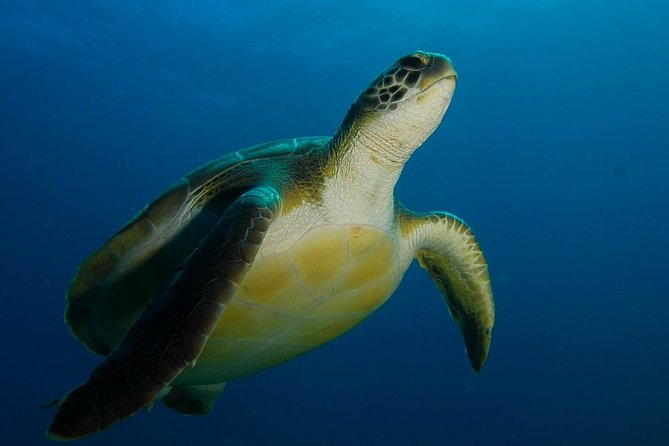
- Tenerife: Your First Scuba Diving Experience in Turtle Area★ 4.7 · 1,679 reviews
- Tenerife: Beginner’s Dive at a Spot with Turtle Sightings★ 4.7 · 627 reviews
- Tenerife First Time Scuba Dive – Turtle Habitat, Small Groups★ 4.5 · 456 reviews
Scubanana in Radazul: the easy starting point
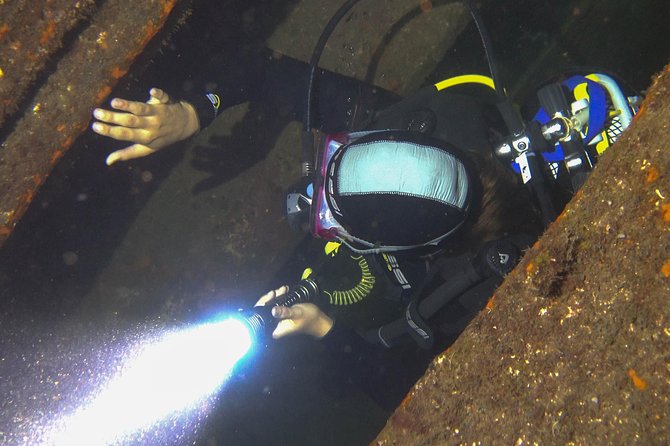
Your course begins at Scubanana in Radazul, at Puerto Deportivo, Av. Colón, nº1, 38109 Santa Cruz de Tenerife, Spain. The start time is 9:00am, and the day ends back at the same meeting point.
What I like about this setup is the practical location. Radazul is on the island’s east side, and the diving shop is positioned so you can reach water activities without needing to fight traffic. In plain terms: less time coordinating transport, more time actually doing the training.
The facility also has a reputation for being tidy and well organized, and people note that the kit is in excellent condition. That matters, because for a skills course, worn or mismatched gear can slow you down. When your equipment feels right, you spend more mental energy on technique instead of fixing problems.
What PADI AOWD adds after Open Water
You do not need to be “advanced” in everyday life to take PADI Advanced Open Water Diver. This course is designed as a step up right after Open Water certification—so the goal is growth, not proving you already know everything.
In a two-day format, that typically means you’ll practice a set of core scuba capabilities and learn how to manage different kinds of underwater situations. The course uses Adventure-style sessions where you build confidence with structured guidance. You try different skills under supervision, and you develop real-world comfort with how your body and equipment behave as conditions change.
A key benefit is that AOWD is not just about seeing interesting stuff. It’s about mastering specific tasks that help you later if you want to keep progressing. That’s why it’s worth paying attention to the skills focus—not just the locations.
Getting specialty credit (if it fits your plan)
PADI notes that each Adventure-style session may credit toward the first session of the matching PADI Specialty course. If you already have any specialty training, it’s smart to ask whether you earned credit for the right components. This can help you stack future courses more efficiently.
Your two days: a realistic picture of the sessions
The course runs for about 2 days, and it’s built around five underwater sessions. From what you can expect in this exact program, the mix usually includes:
- buoyancy control
- navigation
- deeper water work
- shipwreck-related work
- a night water session
You’ll be guided by PADI instructors, and people consistently highlight that safety comes first while still keeping it fun. That balance is important. A skills course can feel stressful if the vibe is strict and tense; here, the tone described is professional and relaxed at the same time.
You’ll also likely meet more than one instructor across the program. In past experiences, people named instructors such as Pauline and Giulia (for buoyancy and navigation) and Fran (for deep/shipwreck and the night water session). Other instructors mentioned include Izaac, Isaac, Benny, Denis, and Carlos—so you may see a blend of teaching styles.
More dives along the Tenerife coast
Day 1: buoyancy and navigation work with Pauline and Giulia
Early in AOWD, you’ll focus on technique that directly affects comfort and safety: buoyancy and navigation. In feedback for this course, Pauline and Giulia are specifically mentioned for helping people master these exact skills.
Here’s why that matters for you. Good buoyancy control is what makes scuba feel calm. It’s also what helps you protect the seabed and reduce sudden movements that can scare a buddy—or force you into stressful gas use. Navigation builds your ability to maintain orientation without panicking when you lose visual references.
This is also where the course can feel more challenging if you don’t have many underwater sessions yet. One person noted that the more technical parts (navigation and buoyancy) were the hardest, but they were also instructive. That’s a fair expectation: the course is meant to stretch you, but in a guided way.
Day 2: deep and shipwreck sessions, then a night water session with Fran
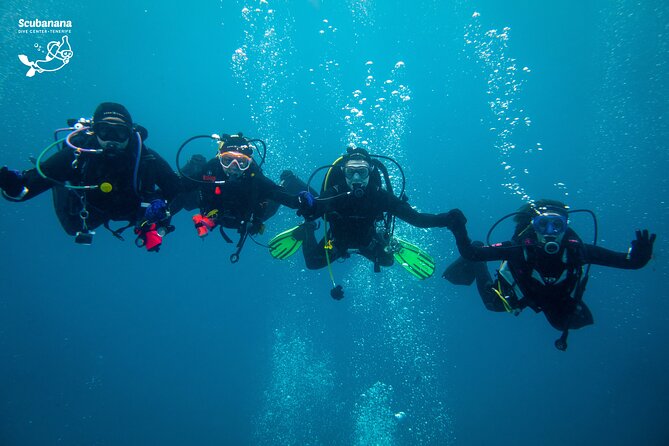
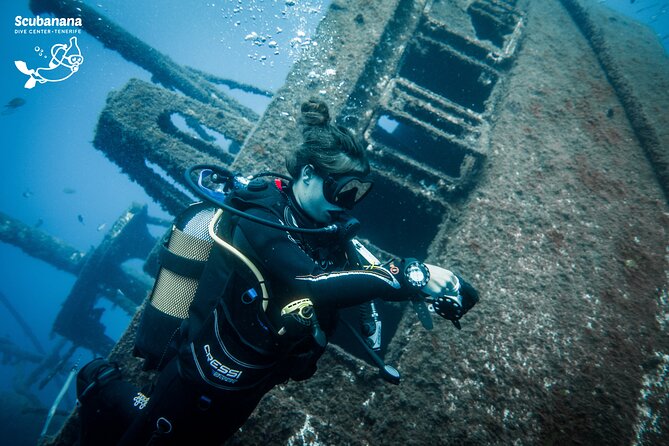
AOWD doesn’t stay at the shallow end. You’ll work on deeper water goals and a shipwreck-related component, and you’ll also do a night water session. In the experiences shared, Fran is mentioned as the instructor who introduced deep and shipwreck work and guided a first-ever night water session.
If you’ve never done night work before, it’s useful to know what you’re signing up for: reduced light changes everything. You’ll rely more on equipment checks, communication, and controlled movement. Even if you’ve practiced safety skills already, night conditions test whether you can stay focused when your usual visual cues are gone.
With deep water work, the big value is learning how depth affects your body and your planning. You’ll typically get training that encourages calm decision-making, solid control, and better awareness of how your timing and air use changes as you go deeper. The point isn’t thrill-seeking—it’s competence.
The shipwreck component
Shipwreck training usually means learning how to handle structures safely, how to approach carefully, and how to keep yourself oriented. Even when the wreck is interesting to look at, the course keeps a strong skills focus, so you’re not just sightseeing.
Gear, materials, and what to bring for comfort
One reason people like this course is simple: you don’t have to organize gear rental. Diving equipment is included, along with learning materials and PADI fees.
That’s real value because training packages often split out the “small” items that add up fast once you start shopping. Here, you get the basics covered up front, so you can budget confidently.
Still, you should plan to bring what’s personal for comfort. One helpful tip from experience: if you can, bring your own mask. People specifically recommended buying a mask with a good fit because borrowed masks can be uncomfortable and may affect how relaxed you feel in the water. That’s a practical point. In a training course, comfort affects your performance.
Also, don’t forget your log book. A person explicitly called that out, and it fits the course theme: you’ll log your training sessions as part of the PADI process.
Not included items to plan for
Two items not included are worth noting so you don’t get surprised:
- photos
- underwater activity insurance
So, if you want a photo record, confirm what’s available (and what you’d need to pay for). And if you need insurance for your planned activities, arrange it separately.
Price and value: is $539.48 fair?
At $539.48 per person for about two days, this package can look expensive at first glance. But when you break down what’s included, the value becomes clearer.
You’re paying for:
- instruction (PADI instructor support)
- diving gear (included, so no separate rental bill)
- learning materials
- PADI fees
- local taxes
For many people, that bundle is the difference between a smooth experience and a complicated one. You also get a small maximum group size of 8, which generally means more time for feedback and fewer bottlenecks when instructors are teaching skills.
The main “value math” downside is that photos and insurance are extra. If those matter to you, factor them into your total trip cost.
Logistics that make the course easier
A few practical details can help your course run smoother:
- The start time is 9:00am.
- It ends back at the meeting point.
- The shop is described as near public transportation.
- You should have moderate physical fitness.
- You must be physically able to participate in scuba training.
- Avoid underwater activity within 12 hours of your flight.
That 12-hour rule is one of those tiny details that can cause real problems if you plan poorly. If you’re flying out the same day, double-check your schedule early and leave buffer time. Also, consider how you’ll feel the day after training. Two days of skills work can be tiring even when it’s fun.
The course is offered in English, so if you’re comfortable with that language in training situations, you should be set.
Who should book this AOWD course in Tenerife
This course fits best if you:
- are already a certified PADI Open Water Diver
- want a structured step up rather than a random add-on outing
- like small-group learning with consistent safety attention
- want the full AOWD mix, including night and wreck-related underwater sessions
It’s also a good match for parents planning next steps. PADI Junior Open Water Divers who are at least 12 years old can step up to enroll. So if your teen has Open Water certification and is ready for structured advancement, this could work well.
One more “fit” detail: because navigation and buoyancy are described as more technical parts of the course, it’s also ideal for people who want to improve real control, not just experience deeper water.
Should you book PADI AOWD with Scubanana in Tenerife?
Book it if you want a well-run, small-group course with hands-on skill work and included essentials. I’d especially recommend it if you care about instruction quality and you like the idea of learning from different professionals—people mention instructors like Pauline, Giulia, Fran, Izaac, Isaac, Benny, and Denis, with an emphasis on safety and a relaxed atmosphere.
Skip or rethink it if you’re not already Open Water certified, if you’re worried about meeting the physical requirements for scuba training, or if your travel schedule leaves you no room for the 12-hour post-activity buffer before flying.
If you do book, bring your own mask if you can, remember your log book, and plan your schedule around the 9:00am start so you’re not rushing on day one.
FAQ
Do I need to be a certified Open Water Diver?
Yes. You must already be certified as a PADI Open Water Diver to take part in this activity.
What time does the course start?
The start time is 9:00am, at Scubanana in Radazul.
Where is the meeting point?
You meet at Scubanana’s address in Puerto Deportivo, Av. Colón, nº1, 38109 Radazul, Santa Cruz de Tenerife, Spain.
Is gear included in the price?
Yes. Diving gear is included, along with learning materials and PADI fees.
Are photos included?
No. Photos are not included.
How soon can I fly after the course?
You should not do underwater activity within 12 hours of a flight.
More Dives Off Tenerife
- Southern Tenerife: 50-Minute Submarine Dive
★ 4.8 · 2,216 reviews - Tenerife: Your First Scuba Diving Experience in Turtle Area
★ 4.7 · 1,679 reviews - Tenerife: Beginner’s Dive at a Spot with Turtle Sightings
★ 4.7 · 627 reviews - Tenerife First Time Scuba Dive – Turtle Habitat, Small Groups
★ 4.5 · 456 reviews - Tenerife: Beginner Scuba Dive Experience
★ 4.8 · 238 reviews
More Tour Reviews in Tenerife
- Siam Park Entry Tickets
★ 4.5 · 15,710 reviews - Tenerife: Eco-Yacht Whale and Dolphin Watching and Swimming
★ 4.7 · 15,619 reviews - Los Cristianos Respectful No-Chase Whale and Dolphin Safari
★ 4.6 · 12,782 reviews - Tenerife: Loro Parque Entry Ticket
★ 4.8 · 12,411 reviews - Loro Parque and Siam Park Combined Admission Tickets
★ 4.7 · 7,307 reviews
More Dives Off Tenerife
- Southern Tenerife: 50-Minute Submarine Dive
★ 4.8 · 2,216 reviews - Tenerife: Your First Scuba Diving Experience in Turtle Area
★ 4.7 · 1,679 reviews - Tenerife: Beginner’s Dive at a Spot with Turtle Sightings
★ 4.7 · 627 reviews - Tenerife First Time Scuba Dive – Turtle Habitat, Small Groups
★ 4.5 · 456 reviews - Tenerife: Beginner Scuba Dive Experience
★ 4.8 · 238 reviews
Just Added: Fresh Tenerife Reviews


Scuba Diving, compared.
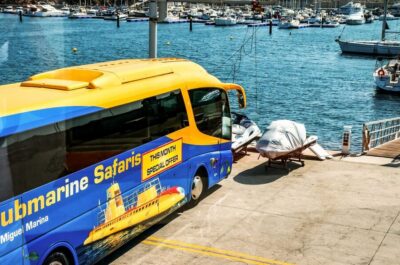 ★ 4.8Southern Tenerife: 50-Minute Submarine DiveFrom $722,216 reviews
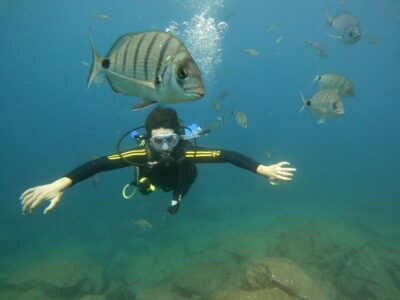 ★ 4.7Your First Scuba Diving Experience in Turtle AreaFrom $841,679 reviews
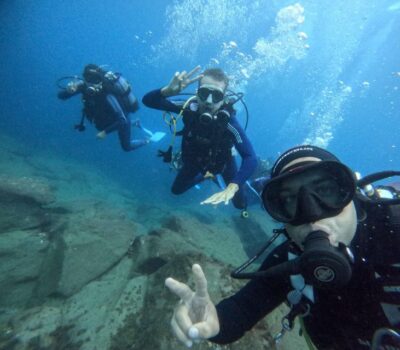 ★ 4.7Beginner’s Dive at a Spot with Turtle SightingsFrom $82627 reviews
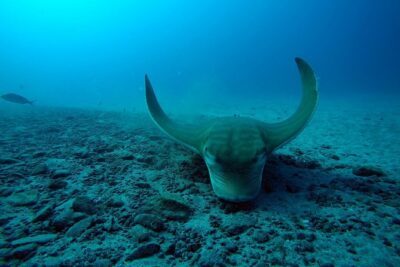 ★ 4.5Tenerife First Time Scuba Dive – Turtle Habitat, Small GroupsFrom $90456 reviews
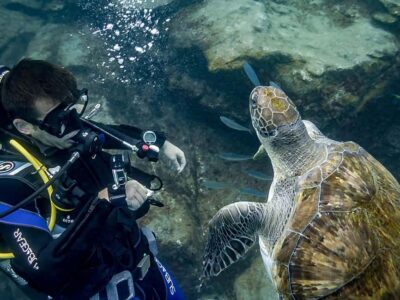 ★ 4.8Beginner Scuba Dive ExperienceFrom $83238 reviews
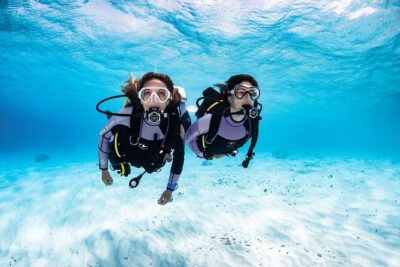 ★ 5.0Try Dive – PADI Discover Scuba Diving in TenerifeFrom $156214 reviews
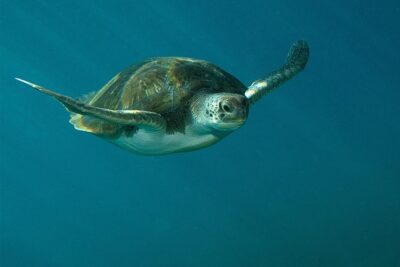 ★ 5.0RECREATIONAL DIVE (certified divers only) : Explore Canarian SealifeFrom $114174 reviews
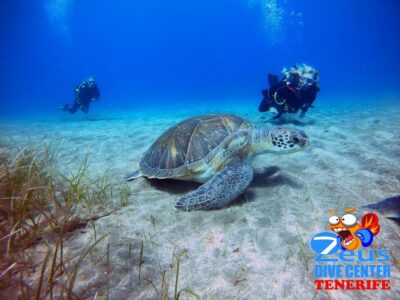 ★ 4.7Abades Beach Beginner Diving ExperienceFrom $100164 reviews
Browse the lists this tour appears in