

Reviewed · SCUBA DIVING
First Dive Experience in Tenerife
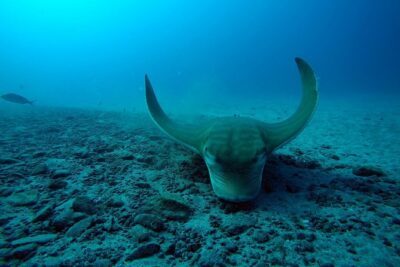
Stingrays are a lot of fun to meet. This first-time scuba try-out starts in Puerto de Santiago and brings you to the Bay of Stingrays, where the focus is on safety basics and smooth breathing before you slip into the water.
What I love most is the hands-on instruction for beginners. You’re supported by instructors such as Kamil, Jordi, Gaya, Cristian, and others, and the setup keeps the group small with a max two-to-one student-to-instructor ratio.
One thing to keep in mind: you can see stingrays, but stingray sightings are not guaranteed every single time.
In This Review
- Key things that make this Tenerife scuba try-out work
- First-time scuba in Puerto de Santiago: why this area fits beginners
- Stingray Bay and the volcanic reef: what you can realistically see
- The 4-hour flow: training, gear prep, and your 20 or 40-minute underwater option
- Safety and comfort: what the instructor ratio really means
- Marine life moments: rays, turtles, and the “take your time” mindset
- Logistics that affect your day: meeting point, pickup zones, and getting there smoothly
- Price and value: what you’re paying $90.51 for
- Who should book this try-scuba session (and who might rethink it)
- Should you book this first-time scuba experience in Tenerife?
- FAQ
- Do I need scuba certification or prior experience?
- How long does the experience take?
- Is there training before going underwater?
- Can I choose how long I stay underwater?
- What is the minimum age?
- What if I’m anxious or nervous about breathing underwater?
- What marine life might I see?
- Where does the activity start and end?
- Do I need to provide any measurements?
- Is there free cancellation?
Key things that make this Tenerife scuba try-out work
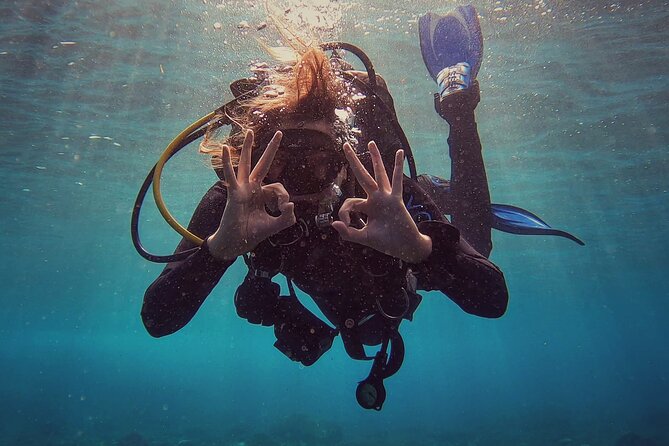
- Stingray Bay shore entry: the scuba center is right by the water, so less hassle and easier nerves
- Beginner-friendly briefing first: you get training on safety and breathing before you go down
- Small supervision: maximum two-to-one, with many comments praising how calm and patient the instructors are
- Two underwater time options: choose a shorter or longer first session (20 or 40 minutes)
- Wildlife-focused reef: volcanic reef areas plus around 15 species you can hope to spot
- English offered: and training/briefing is done in a language you understand
More dives along the Tenerife coast
- Southern Tenerife: 50-Minute Submarine Dive★ 4.8 · 2,216 reviews
- Tenerife: Your First Scuba Diving Experience in Turtle Area★ 4.7 · 1,679 reviews
- Tenerife: Beginner’s Dive at a Spot with Turtle Sightings★ 4.7 · 627 reviews
- Tenerife First Time Scuba Dive – Turtle Habitat, Small Groups★ 4.5 · 456 reviews
First-time scuba in Puerto de Santiago: why this area fits beginners
If you’ve been staring at the ocean in Tenerife and thinking, I’d love to try scuba, but I’m not ready for anything complicated, this is one of the clearer choices. You’re based around Puerto de Santiago, and the whole experience is built for first-timers. The goal isn’t to impress with fancy skills. It’s to make the water feel manageable fast.
The biggest “beginner win” is the location logic. This is a shore-based setup, not a boat day where you’re spending extra time getting oriented. The scuba center is right in front of the water entrance into Stingray Bay, so you spend your energy on learning and breathing, not logistics.
Also, the Bay of Stingrays reputation matters. The rays here are described as peaceful and friendly, not aggressive. For nervous first-timers, that’s half the battle—your brain relaxes when the animals and conditions feel calm.
Stingray Bay and the volcanic reef: what you can realistically see
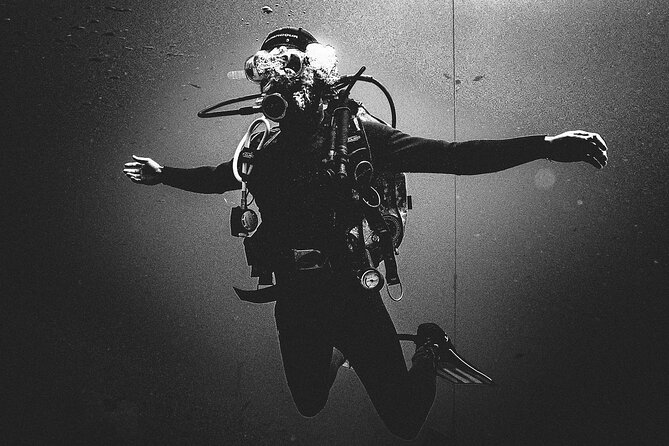
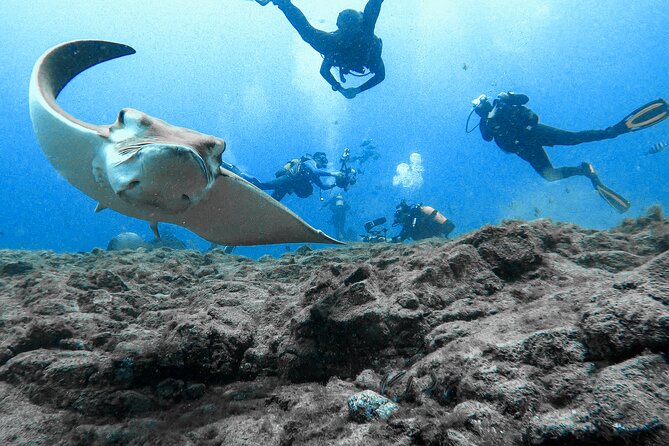
This is the kind of site where the underwater story stays simple: you’re there to watch real marine life up close. The Bay of Stingrays is known for a reef bottom with volcanic features, which attracts animals and fish.
Here’s what the experience points you toward:
- About 15 species you can encounter during the session
- Rays (they’re encountered regularly, but not promised every time)
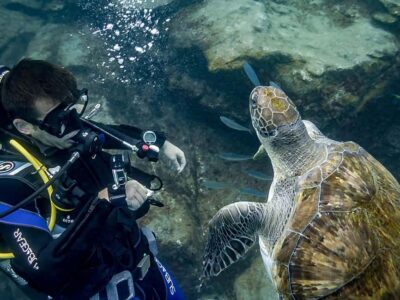
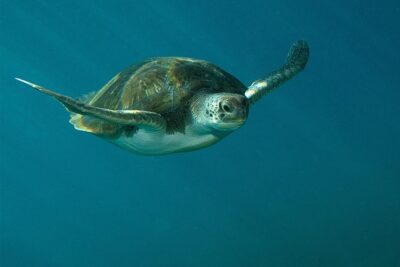
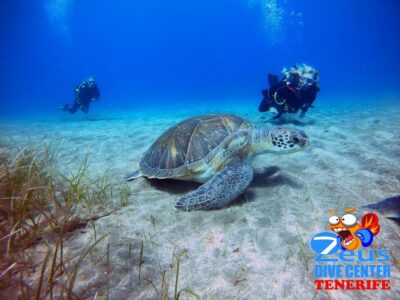
- Sea turtles
- Crabs
- Moray eels
- Octopus
- Cuttlefish
- Shrimps
- Plus schools and individual fish, with plenty of variety around the reef
That’s a lot to hope for in one first session, but the format helps. You’re not learning complicated navigation. You’re learning how to breathe underwater and stay relaxed, then you look around. When you keep your head steady and follow your instructor, these “first time” moments land better.
One extra detail: in practice, you might also experience areas near a cave or rocky features, depending on the day and what’s working safely with conditions. That kind of “wow” is exactly why people keep coming back for another try after the first one.
The 4-hour flow: training, gear prep, and your 20 or 40-minute underwater option
The total time on the schedule is about 4 hours. The pace is designed so you don’t feel rushed, especially at the start.
A typical structure looks like this:
- 30 minutes of training
- Briefing on safety essentials and breathing technique
- Preparing your underwater equipment
- Entering the water and starting your first controlled experience
- Then you choose your underwater time: 20 minutes or 40 minutes
That 20 vs 40 option is more important than it sounds. If you’re anxious, 20 minutes can be the sweet spot. If you’re already comfortable in the water and want more time to look around without feeling like you’re constantly watching the clock, 40 minutes gives you that extra margin.
After the session, you return to the meeting point (the tour ends back where it starts).
Safety and comfort: what the instructor ratio really means
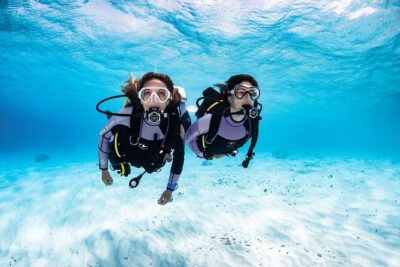
Beginner scuba usually comes down to one thing: will you feel safe and calm enough to actually enjoy it? This experience is built around small supervision. The training says you’re supervised by an instructor with a maximum of two to one ratio, and many first-timers get that close support.
From the way instructors are described, the standout skills aren’t just technical. They’re emotional too:
- instructors putting nervous students at ease
- clear explanations
- patience (especially when something feels confusing at first)
- staying attentive during the descent and underwater breathing
A very practical example that comes up in real first sessions is ear pressure during descent. If that happens, the key is adapting to depth calmly and using the instructor’s guidance on how to manage it. In one case, an instructor helped a first-time student adjust and still enjoy the experience at around 6.5 meters—which tells you that discomfort doesn’t automatically ruin the whole day when you’re properly guided.
Also, you’ll be learning breathing technique from the start, not after you’ve already felt panicked. That’s why the training block matters.
More dives along the Tenerife coast
Marine life moments: rays, turtles, and the “take your time” mindset
You’re not being sent down to chase wildlife like it’s a mission. You’re being taught how to look while staying in control. That’s where the Bay of Stingrays does its best work.
Here’s what you should plan for:
- Rays: you may see them frequently, and they’re described as peaceful. Just remember: sightings aren’t guaranteed every time.
- Turtles: these are part of the target wildlife list, so it’s reasonable to hope for them.
- Reef critters: crabs, moray eels, octopus, and cuttlefish are exactly the kind of animals that reward slow, steady attention.
- Fish variety: the reef area supports lots of fish life, and you can often see schools of fish as well.
The style of instruction you’ll get from the named instructors matters here. When someone is patient and explains what you’re seeing, the underwater time feels shorter in the best way. When they rush, it can feel like you’re just trying to survive your own breathing.
If you’re the type who worries you’ll do something wrong, focus on this: your job is to follow the instructor’s cues and keep calm. Everything else is bonus.
Logistics that affect your day: meeting point, pickup zones, and getting there smoothly
This experience is organized from the South and Southwest Tenerife area, but the pickup cost depends on where you start.
Meeting point (start and end):
Paseo Maritimo, 17, 38650 Arona, Santa Cruz de Tenerife, Spain.
Pickup options and typical costs (South of Tenerife):
- €4 per person pickup from: Callao Salvaje, Playa Paraíso, La Caleta, Fañabe, Costa Adeje, Las Américas, Los Cristianos, Costa Silencio
- €15 per car pickup from: Puerto Santiago, Playa la Arena, El Medano (max 8 passengers per car)
- €10 per car pickup from: Golf del Sur
Hotel pickup and drop-off are included, but these pickup details still affect what you pay. And one more practical point: an air-conditioned vehicle isn’t included, so plan for that in the hotter months.
Also, this activity is near public transportation, so if you decide to meet directly instead of using pickup, it’s workable.
Finally, note that this tour is often booked ahead. On average it’s reserved about 42 days in advance, which is a sign the best time slots can fill.
Price and value: what you’re paying $90.51 for
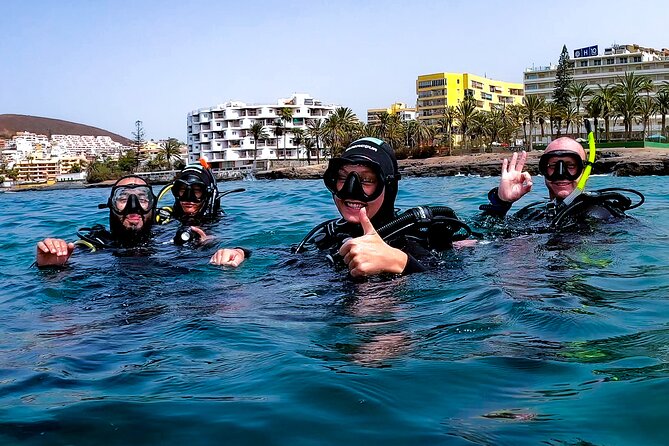
The price is listed as $90.51 per person and the experience runs around 4 hours. For a beginner try-out, that sounds like a lot until you connect it to what’s included.
What you get that drives value:
- training and safety briefing for first-timers
- preparation for your underwater equipment before entering the water
- an instructor ratio capped at two-to-one
- an option for 20 or 40 minutes underwater time
- pickup and drop-off (with local pickup fees depending on your zone)
- English is offered
The “included” list specifically calls out driver/guide and the use of snorkeling equipment. It also clearly says you’ll be trained and your equipment will be prepared as part of the experience flow. What’s not included:
- food and drinks
- souvenir photos (sold separately)
- air-conditioned vehicle
So how do you judge value? If you want a first underwater experience with real attention and time to learn, the small-group structure is where the money shows up. Cheaper options often mean bigger groups or less patience when nerves kick in. Here, the consistent theme is careful support.
Who should book this try-scuba session (and who might rethink it)
This is designed for people who want a first scuba experience with structure and support.
It fits well if:
- you have no certification or experience and want to start safely
- you want a calm site for first-time underwater learning
- you’re traveling with family, since the minimum age is 8 years
- you’re nervous and want close supervision
- you prefer shore access so the start feels less complicated
It might be less ideal if:
- you’re expecting a guaranteed animal encounter every time (stingrays are regular, but not promised)
- you don’t want to plan around pickup zones and local fees
- you’re sensitive to ear pressure and prefer to manage that with extra patience (the instruction helps, but it’s still a factor in the descent)
The good news is that the experience is built to handle first-time moments. The instruction style is repeatedly described as calm, clear, and attentive.
Should you book this first-time scuba experience in Tenerife?
Yes—if your goal is a beginner-friendly underwater introduction with real human support. The combination of Stingray Bay, a shore-based setup, and a strict instructor-to-student ratio is exactly what you want when you’re learning breathing and safety for the first time.
Before you book, do two quick checks:
- confirm your pickup zone cost so you don’t get surprised at checkout
- be ready for the reality of wildlife: you can aim for stingrays and turtles, but sightings depend on conditions
If you want a first try that feels safe, structured, and wildlife-focused, this one is a strong choice for Tenerife.
FAQ
Do I need scuba certification or prior experience?
No. This experience is designed for beginners and requires no scuba certification or previous experience.
How long does the experience take?
It lasts about 4 hours total.
Is there training before going underwater?
Yes. You start with 30 minutes of training, including a safety briefing and breathing techniques, before entering the water.
Can I choose how long I stay underwater?
Yes. You can choose between a 20-minute or a 40-minute introductory underwater session.
What is the minimum age?
The minimum age is 8 years.
What if I’m anxious or nervous about breathing underwater?
The experience is structured with close supervision (maximum two to one student-to-instructor ratio), and the instructors are described as patient and reassuring in how they guide first-time participants.
What marine life might I see?
You can hope to see stingrays, sea turtles, crabs, moray eels, octopus, cuttlefish, shrimps, and about 15 species of fish and animals in the area. Stingray sightings are not guaranteed every time.
Where does the activity start and end?
It starts and ends back at the meeting point: Paseo Maritimo, 17, 38650 Arona, Santa Cruz de Tenerife, Spain.
Do I need to provide any measurements?
Yes. You must provide height and shoe size.
Is there free cancellation?
Yes. There is free cancellation, and you can cancel up to 24 hours in advance for a full refund.
If you want, tell me where you’re staying (nearest town or hotel area), and I’ll help you figure out which pickup zone you’re likely in and what timing to plan around.
More Dives Off Tenerife
- Southern Tenerife: 50-Minute Submarine Dive
★ 4.8 · 2,216 reviews - Tenerife: Your First Scuba Diving Experience in Turtle Area
★ 4.7 · 1,679 reviews - Tenerife: Beginner’s Dive at a Spot with Turtle Sightings
★ 4.7 · 627 reviews - Tenerife First Time Scuba Dive – Turtle Habitat, Small Groups
★ 4.5 · 456 reviews - Tenerife: Beginner Scuba Dive Experience
★ 4.8 · 238 reviews
More Tour Reviews in Tenerife
- Siam Park Entry Tickets
★ 4.5 · 15,710 reviews - Tenerife: Eco-Yacht Whale and Dolphin Watching and Swimming
★ 4.7 · 15,619 reviews - Los Cristianos Respectful No-Chase Whale and Dolphin Safari
★ 4.6 · 12,782 reviews - Tenerife: Loro Parque Entry Ticket
★ 4.8 · 12,411 reviews - Loro Parque and Siam Park Combined Admission Tickets
★ 4.7 · 7,307 reviews
More Dives Off Tenerife
- Southern Tenerife: 50-Minute Submarine Dive
★ 4.8 · 2,216 reviews - Tenerife: Your First Scuba Diving Experience in Turtle Area
★ 4.7 · 1,679 reviews - Tenerife: Beginner’s Dive at a Spot with Turtle Sightings
★ 4.7 · 627 reviews - Tenerife First Time Scuba Dive – Turtle Habitat, Small Groups
★ 4.5 · 456 reviews - Tenerife: Beginner Scuba Dive Experience
★ 4.8 · 238 reviews
Just Added: Fresh Tenerife Reviews



Scuba Diving, compared.
 ★ 4.8Southern Tenerife: 50-Minute Submarine DiveFrom $722,216 reviews
 ★ 4.7Your First Scuba Diving Experience in Turtle AreaFrom $841,679 reviews
 ★ 4.7Beginner’s Dive at a Spot with Turtle SightingsFrom $82627 reviews
 ★ 4.5Tenerife First Time Scuba Dive – Turtle Habitat, Small GroupsFrom $90456 reviews
 ★ 4.8Beginner Scuba Dive ExperienceFrom $83238 reviews
 ★ 5.0Try Dive – PADI Discover Scuba Diving in TenerifeFrom $156214 reviews
 ★ 5.0RECREATIONAL DIVE (certified divers only) : Explore Canarian SealifeFrom $114174 reviews
 ★ 4.7Abades Beach Beginner Diving ExperienceFrom $100164 reviews
Browse the lists this tour appears in