
Reviewed · SCUBA DIVING
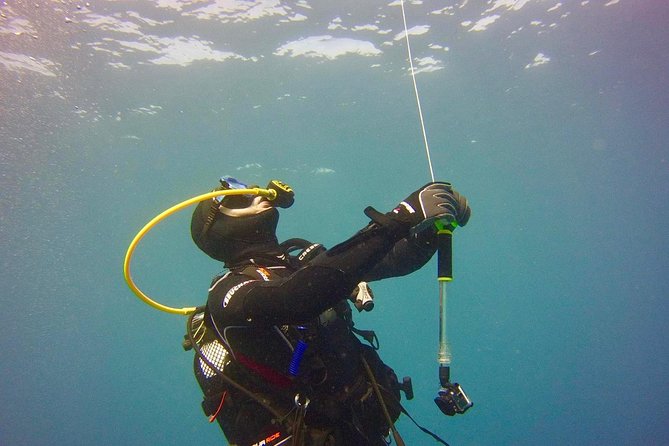
ADVANCED OPEN WATER CERTIFICATION – Improve your scuba diving skills up to 30m !
If you want to feel more in control underwater, this Tenerife course is a smart bet. I like that it’s structured, safety-first, and built around real skill-building: PADI Advanced Open Water Diver with a clear plan and support that fits your holiday pace.
I also like the teaching setup: a max of 2 students per course with Ludovic (Ludo) and Julie at LJ Diving Tenerife, and Ludo is a PADI Elite instructor with 5 years of experience. The one drawback to consider is the price: at $596.12 per person, it’s not a budget add-on, so it’s best when you’re ready to commit to the full 3 days (and the required training conditions).
In This Review
- Key details that matter before you book
- Tenerife, but make it practical: why this course works
- What the PADI Advanced Open Water course actually gives you
- The 3-day rhythm: how the training typically flows
- Deep-training to 30m: the mandatory confidence builder
- Navigation training: so you stop guessing
- Night session: practice skills when visibility changes
- Wreck session: handling structure without turning it into chaos
- Peak Performance buoyancy: the skill that makes everything easier
- The instructor team: Ludo and Julie run a serious, friendly setup
- Equipment, hygiene, and comfort: small things that change the whole course
- Price and value: is $596.12 worth it?
- Weather and timing: Tenerife runs on conditions
- Who this course suits best
- Quick practical checklist before you go
- Should you book LJ Diving Tenerife for Advanced Open Water?
- FAQ
- How many days is the PADI Advanced Open Water course?
- What’s the maximum depth you train for?
- How many people are in the course?
- Do I need prior scuba experience?
- What underwater sessions are included?
- Is the course theory part available online?
- Where does the course start?
- What are the activity hours?
- What if weather is bad?
- Is it refundable if I cancel for personal reasons?
Key details that matter before you book
- Max 2 students: more time for feedback, fewer “wait your turn” moments
- 5 required adventure sessions: deep-training (mandatory), navigation (mandatory), plus night, wreck, and buoyancy skills
- Reach up to 30m: the course is built around going deeper in a controlled way
- Theory options: e-learning possible, or you get the support materials
- Highly rated, repeatable club energy: family-run vibe and professional gear care show up again and again
More dives along the Tenerife coast
- Southern Tenerife: 50-Minute Submarine Dive★ 4.8 · 2,216 reviews
- Tenerife: Your First Scuba Diving Experience in Turtle Area★ 4.7 · 1,679 reviews
- Tenerife: Beginner’s Dive at a Spot with Turtle Sightings★ 4.7 · 627 reviews
- Tenerife First Time Scuba Dive – Turtle Habitat, Small Groups★ 4.5 · 456 reviews
Tenerife, but make it practical: why this course works
Tenerife is a great place to level up because the diving scene is active, the water conditions are often workable, and you can fit scuba training around vacation time. This course is specifically aimed at people who already have basics down and want the next step: better buoyancy, better decision-making, and more confidence at depth.
The biggest difference here is not the marketing. It’s the structure. The program is built around 5 underwater adventure sessions, with two marked as mandatory (deep-training and navigation). That matters, because it turns the “I want to be a better diver” goal into specific skills you practice, not just time in the water.
It also helps that the instructor ratio is small. With only two students per course, you get real coaching instead of quick pointers between busy groups.
What the PADI Advanced Open Water course actually gives you
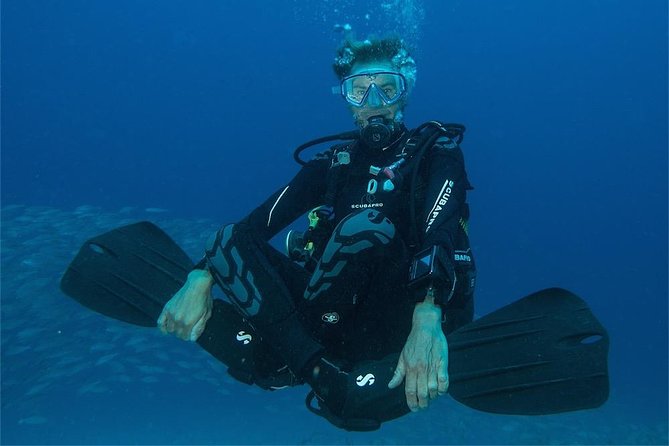
This is a PADI Advanced Open Water Diver certification course. The goal is to improve your scuba ability up to 30m, with training that follows PADI standards and safety expectations.
Here’s the course logic as you’ll experience it:
- You do the required specialty-style skills (the course is centered on those targets).
- You practice them in a relaxed but rigorous way, so you’re not rushing through checklists.
- You get planning and guidance that take into account you’re on holidays, not on an exam treadmill.
To start, you’ll need to be a diver with 10 logged dives minimum. That’s a good threshold because it keeps the course focused on progression rather than fundamentals.
The 3-day rhythm: how the training typically flows
The duration is listed as about 3 days. Expect a tight schedule compared with a casual vacation day, but not a frantic one—this is designed for quality training in limited sessions.
The program uses:
- 5 adventure sessions underwater to reach the Advanced level requirements
- A planning process with your instructor so you understand what you’re working on
- Options for the theory part, including e-learning if you want to handle it before (or during) your trip
Since your start and end are both at LJ Diving Tenerife (Las Galletas), the logistics are straightforward: you show up, gear up, get coached, then return back to the same meeting point after each activity.
One practical note: it’s a private tour/activity with only your group. That’s a win if you dislike group chaos and want training that doesn’t feel like group transport.
Deep-training to 30m: the mandatory confidence builder
The course includes a deep-training session (mandatory), and that’s the part most people imagine first because of the 30m target. The real value isn’t just the number—it’s how you learn to behave when things feel slower, quieter, and a bit more “serious.”
In practice, deep-training tends to force better habits:
- Calm decision-making
- Proper weighting and control
- Staying aware of depth and time without panicking
This course sets that up with an experienced instructor and a defined plan. And because the group is small, you’re more likely to get feedback that matches what you’re actually doing in the water.
More dives along the Tenerife coast
Navigation training: so you stop guessing
The navigation session (mandatory) is where Advanced often becomes really useful for real-world outings. Even skilled divers can struggle with direction and buoyancy while moving across an area, and navigation pulls those together.
What you can expect is instruction aimed at:
- Planning your route
- Using reference points
- Using your senses and gauges so you don’t drift into “mystery water”
I like navigation training because it’s not just a skill for the course. Once it clicks, you feel less stress on every later dive trip.
Also, small group size matters here. Navigation gets easier when you’re being corrected early and often, instead of being given one generic tip and hoped-for success.
Night session: practice skills when visibility changes
The course includes a night underwater session. That’s a different feeling from daytime water—your cues change fast, and you need control and calm more than bravado.
This is where your course progress becomes noticeable. Night training usually helps you:
- Stay steady with buoyancy when your reference points change
- Manage attention so you don’t rush or overreact to low-light conditions
- Keep your body language smooth when everything feels unfamiliar
It’s also a fun training experience, not just a requirement. If you enjoy atmosphere and the sense of being in a different world, night is usually the highlight.
Wreck session: handling structure without turning it into chaos
There’s also a wreck session in the 5 required adventure sessions. Wrecks are great training because they reward good trim and planning, and they punish sloppy technique.
Even if your exact wreck details aren’t listed here, you can assume the coaching focus will be on:
- Awareness and situational control
- Managing your movement around structures
- Keeping breathing and buoyancy smooth so you don’t disturb the environment or stress yourself
The value of including wreck work in an Advanced course is that it adds complexity in a controlled format, with an instructor overseeing your progress.
Peak Performance buoyancy: the skill that makes everything easier
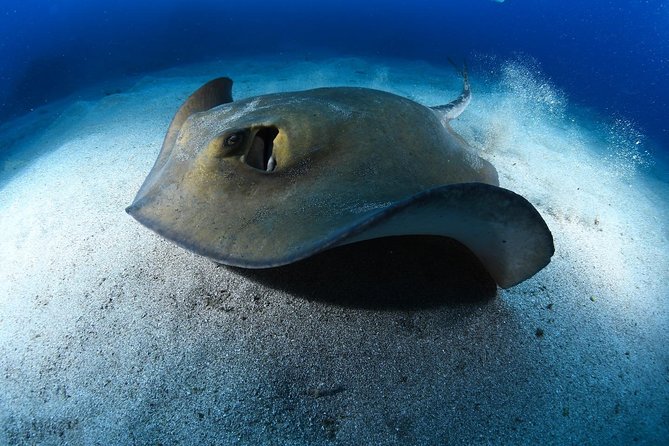
One of the listed adventure sessions is Peak Performance buoyancy. This is the session that often upgrades your whole diving life.
Good buoyancy changes everything:
- You move more efficiently
- You stress less
- You spend less effort fighting your body and more effort enjoying the underwater scene
This course includes the buoyancy piece because it’s a core “Advanced” theme. You’re not just learning new activities—you’re learning control.
And buoyancy practice fits perfectly with a small group setting. You can’t fake it. You either hold position well or you don’t, and feedback can make a real difference quickly.
The instructor team: Ludo and Julie run a serious, friendly setup
The instructor team at LJ Diving Tenerife is a big part of why this gets strong ratings. People describe Ludovic (often called Ludo) and Julie as professional, friendly, and flexible—plus the center feels family-run.
A couple details that stood out from feedback you can actually use:
- Gear is kept clean and parts are disinfected (including masks and regulators, specifically mentioned).
- The club atmosphere is described as calm, not pushy.
- The small group format means you get dedicated time, which is exactly what you want during certification.
Also, one review gives a fun extra: Daniel is mentioned as someone who knows good local food spots, with special mention of ceviche and mojitos. That’s not part of the certification curriculum, but it tells you the relationship feels personal, not transactional.
Equipment, hygiene, and comfort: small things that change the whole course
You don’t think about equipment hygiene until you do—and then you notice it every time after. One of the strongest praises centers on gear cleanliness, including mask and regulator disinfection. That’s a practical win for comfort and peace of mind.
Comfort at the center also matters. Reviews mention a pleasant, easy setup compared with a nearby option (in terms of comfort and ease). For a course that lasts several days, you’ll appreciate a smooth routine: show up, gear check, instruction, water time, then regroup without hassle.
Price and value: is $596.12 worth it?
At $596.12 per person, you’re paying for:
- A full PADI Advanced Open Water Diver certification course
- 5 underwater skill sessions designed around course requirements
- A small-group instructor setup (max 2)
- Planning and question time with your instructor, not a rushed lecture
- Theory support via e-learning or course materials
Now, what you should be careful about: the listing doesn’t specify every single inclusion (for example, whether gear rental is included). Before you commit, I recommend you confirm what’s included in your total price, so you don’t get surprised later.
That said, the value case here is strong if you want real feedback and you’re aiming for the full certification, not just casual training. The small group alone can be worth it if you’ve ever tried learning scuba with a crowd and felt invisible.
Weather and timing: Tenerife runs on conditions
This experience needs good weather. If it gets canceled due to poor weather, you’ll be offered a different date or a full refund. That’s exactly what you want to hear for ocean training where conditions can change quickly.
Plan your trip with some flexibility. Even the best training depends on water conditions, especially for deeper and night sessions.
Who this course suits best
This is a good match if:
- You’re ready to upgrade beyond basics (10 logged dives minimum)
- You want a structured path to certification
- You prefer small-group attention with an experienced instructor
- You like practical skills (navigation, buoyancy, deeper comfort) more than just “fun underwater time”
It might be less ideal if:
- You’re on a super tight schedule and can’t handle weather changes
- You only want casual sightseeing and not skill-focused sessions
Also, it’s noted that you should have moderate physical fitness. That doesn’t mean athlete-level training—it means you should feel comfortable with the effort and routine of multi-day underwater sessions.
Quick practical checklist before you go
- Double-check you meet the 10 logged dives minimum requirement
- Decide whether you’ll do theory via e-learning or use the provided materials
- Bring your holiday mindset, but show up ready to practice (this is training, not a free swim)
- Confirm what your package includes so the price makes sense end-to-end
Should you book LJ Diving Tenerife for Advanced Open Water?
I’d book this if your priority is progression with real coaching. The small-group format (max 2), the focus on the required Advanced skill set (deep-training, navigation, night, wreck, buoyancy), and the strong instructor reputation from prior students make it feel like a course designed for learning, not just ticking boxes.
Skip it if you’re budget-tight or looking for a laid-back, sightseeing-first scuba experience. At this price, you’ll get the best return when you actually want the certification and the skill upgrade.
FAQ
How many days is the PADI Advanced Open Water course?
It’s listed as 3 days (approx.).
What’s the maximum depth you train for?
The program is designed to help you reach scuba skills up to 30m.
How many people are in the course?
The course is small group with a maximum of 2 students per course.
Do I need prior scuba experience?
Yes. The overview states you should have 10 logged dives minimum.
What underwater sessions are included?
There are 5 adventure sessions, including deep-training (mandatory), navigation (mandatory), plus night session, wreck session, and Peak Performance buoyancy.
Is the course theory part available online?
Yes. Most of the courses are available with e-learning for the theoretical part, or you’ll be provided with support material.
Where does the course start?
The meeting point is LJ Diving Tenerife, Calle Consuelo Alfonso Diaz-Flores, 16, 38631 Las Galletas, Santa Cruz de Tenerife, Spain.
What are the activity hours?
Listed opening hours are Monday to Sunday, 9:00 AM to 6:00 PM (within the stated date range).
What if weather is bad?
If it’s canceled due to poor weather, you’ll be offered a different date or a full refund.
Is it refundable if I cancel for personal reasons?
No. The experience is non-refundable and cannot be changed for any reason.
More Dives Off Tenerife
- Southern Tenerife: 50-Minute Submarine Dive
★ 4.8 · 2,216 reviews - Tenerife: Your First Scuba Diving Experience in Turtle Area
★ 4.7 · 1,679 reviews - Tenerife: Beginner’s Dive at a Spot with Turtle Sightings
★ 4.7 · 627 reviews - Tenerife First Time Scuba Dive – Turtle Habitat, Small Groups
★ 4.5 · 456 reviews - Tenerife: Beginner Scuba Dive Experience
★ 4.8 · 238 reviews
More Tour Reviews in Tenerife
- Siam Park Entry Tickets
★ 4.5 · 15,710 reviews - Tenerife: Eco-Yacht Whale and Dolphin Watching and Swimming
★ 4.7 · 15,619 reviews - Los Cristianos Respectful No-Chase Whale and Dolphin Safari
★ 4.6 · 12,782 reviews - Tenerife: Loro Parque Entry Ticket
★ 4.8 · 12,411 reviews - Loro Parque and Siam Park Combined Admission Tickets
★ 4.7 · 7,307 reviews
More Dives Off Tenerife
- Southern Tenerife: 50-Minute Submarine Dive
★ 4.8 · 2,216 reviews - Tenerife: Your First Scuba Diving Experience in Turtle Area
★ 4.7 · 1,679 reviews - Tenerife: Beginner’s Dive at a Spot with Turtle Sightings
★ 4.7 · 627 reviews - Tenerife First Time Scuba Dive – Turtle Habitat, Small Groups
★ 4.5 · 456 reviews - Tenerife: Beginner Scuba Dive Experience
★ 4.8 · 238 reviews
Just Added: Fresh Tenerife Reviews


Scuba Diving, compared.
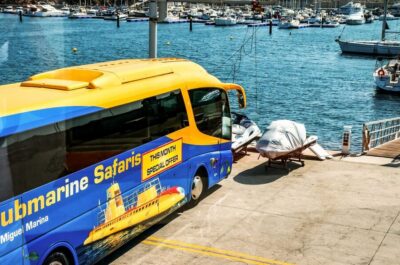 ★ 4.8Southern Tenerife: 50-Minute Submarine DiveFrom $722,216 reviews
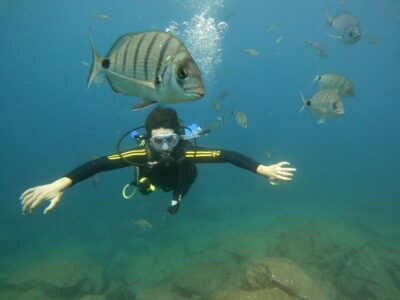 ★ 4.7Your First Scuba Diving Experience in Turtle AreaFrom $841,679 reviews
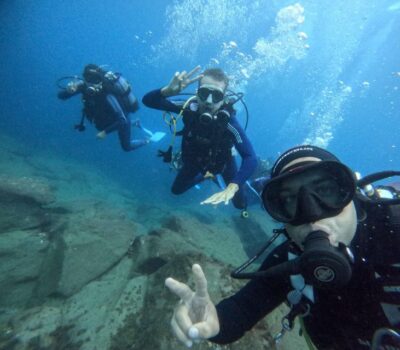 ★ 4.7Beginner’s Dive at a Spot with Turtle SightingsFrom $82627 reviews
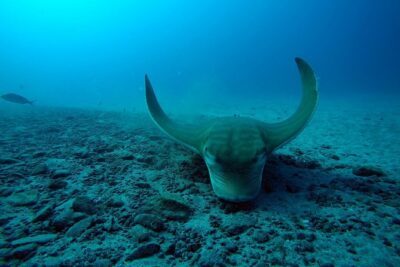 ★ 4.5Tenerife First Time Scuba Dive – Turtle Habitat, Small GroupsFrom $90456 reviews
 ★ 4.8Beginner Scuba Dive ExperienceFrom $83238 reviews
 ★ 5.0Try Dive – PADI Discover Scuba Diving in TenerifeFrom $156214 reviews
 ★ 5.0RECREATIONAL DIVE (certified divers only) : Explore Canarian SealifeFrom $114174 reviews
 ★ 4.7Abades Beach Beginner Diving ExperienceFrom $100164 reviews
Browse the lists this tour appears in