
Whales, lava, and real science on the water. I like the max 10 passengers and the chance to use a hydrophone while a marine biologist guides you, and the main catch is that the trip isn’t suitable after recent surgery or with serious back/neck problems.
From the port at Las Galletas, you cruise along the dramatic Malpaís de Rasca lava scenery, with Tenerife’s southern coast stretching out in front of you and La Gomera showing up on the horizon. You’re watching marine mammals at a respectful distance, plus you’ll do a bit of field-study-style participation that turns a normal sighting into something you understand.
In This Review
- Key things that make this Tenerife whale tour work
- Getting to Biosean at Las Galletas (Dock Number 4, Gate 4)
- The 15-minute safety briefing and how the small group shapes the ride
- Cruising the Malpaís de Rasca: lava views, Tenerife’s south coast, and La Gomera in the distance
- Spotting marine mammals at a respectful distance (and why that matters)
- Listening for whales with a hydrophone: sound you can actually catch
- What the marine biologist actually adds (including the field-study element)
- Duration, timing, and comfort for a 2.5-hour outing
- Price and value: is $77 a good deal for science plus a small boat?
- Who should book this (and who should skip it)
- Should you book this Tenerife whale watching tour?
- FAQ
- How long is the whale watching cruise?
- How much does it cost?
- Where do I meet the group?
- How many people are on the boat?
- What’s included in the experience?
- What languages are spoken by the guide?
- What should I bring?
- What isn’t allowed on the tour?
- Who isn’t suitable for this tour?
- Can I cancel for free, and do I have to pay right away?
Key things that make this Tenerife whale tour work
- Max 10 passengers keeps the boat quiet and controlled
- Hydrophone listening adds a sound-based layer, not just eyeballs
- Marine biologist guide means real explanations, not generic dolphin talk
- Malpaís de Rasca lava coast views add drama even if sightings vary
- Respectful distance + no touching keeps the focus on wildlife behavior
Other boats heading out for whales and dolphins
- Tenerife: Eco-Yacht Whale and Dolphin Watching and Swimming★ 4.7 · 15,619 reviews
- Los Cristianos Respectful No-Chase Whale and Dolphin Safari★ 4.6 · 12,782 reviews
- Costa Adeje: Whale & Dolphin Eco-Cruise with Snacks & Drinks★ 4.6 · 5,096 reviews
- Los Gigantes: Dolphin & Whale Watching Cruise with Swim Stop★ 4.7 · 4,539 reviews
Getting to Biosean at Las Galletas (Dock Number 4, Gate 4)
This outing starts in the port area of Las Galletas, at Biosean Whale Watching and Marine Science. You’ll meet at Dock Number 4, gate 4, and there’s a big free parking lot near the beach next to the port.
If you’re driving and want to stay closer to the action, you can also park inside the port for €1.20 per hour. Either way, this is a “show up and board” style experience—there’s no hotel pickup, so build in time to get to the docks.
Plan on arriving with an easy buffer. Ports can feel simple, but a few minutes of walking, finding the right gate, and getting comfortable on a small boat can make the whole experience smoother.
The 15-minute safety briefing and how the small group shapes the ride
Before you head out, there’s a safety briefing (about 15 minutes). This is where you’ll get the basics of what the crew needs from you and what you should expect during the viewing portion.
What I like about the format is the small group size—up to 10 people. Fewer people means less crowding at the rail and less chaos when the marine biologist wants everyone focused. It also helps you hear explanations without shouting over the group.
Also, be realistic about physical needs. The tour isn’t for people with recent surgery or significant back/neck issues, and there’s a weight limit of 287 lbs (130 kg). If any of those are you, skip it—don’t gamble with comfort on a moving boat.
Cruising the Malpaís de Rasca: lava views, Tenerife’s south coast, and La Gomera in the distance
Once you’re underway, the boat heads along Tenerife’s southern coast with the Malpaís de Rasca lava formations as the dramatic backdrop. Even before any whales or dolphins appear, this part is worth it: you’re sailing along a coast that looks sculpted by ancient fire, with jagged rock lines that keep your eyes busy.
On a clear day, you can also see La Gomera in the distance. That adds a nice sense of scale—this isn’t only about animals, it’s also about being out on the water with real geography around you.
The viewing time is long enough to let the area “settle” into spotting mode: you’re not just going fast to one spot and hoping. You’re cruising and scanning, then stopping attention when the biologist signals it’s time to listen and watch carefully.
One practical tip: dress for shifting coastal weather. The tour asks you to bring a jacket and sunscreen, and that’s a good sign—Tenerife can feel warm near the docks, then cooler or breezier once you’re out.
Spotting marine mammals at a respectful distance (and why that matters)
This tour’s whole approach is about respectful viewing. You’re looking for marine mammals, but you’re not chasing them, and you’re not doing anything that risks stressing wildlife.
That matters because whales and dolphins aren’t background objects. Their behavior changes fast—noise, speed, and crowding can all push animals to move away. Here, the combination of a marine biologist guide and a small boat group helps keep the vibe calm and controlled.
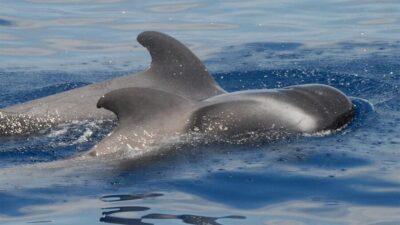
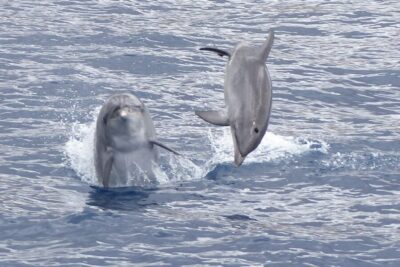
From what’s been documented on different departures, sightings can include dolphins and turtles, and at least one group reported a sighting of capodogli (sperm whales). Of course, animal sightings aren’t guaranteed—what is consistent is the method: watch carefully, listen closely, and follow crew instructions when an animal is nearby.
And yes, you’ll do this without touching anything. The rules explicitly say no touching marine life and no feeding animals. If you’re the type who hates messy tourist behavior, this tour’s stance will feel refreshing.
More afternoons on the water off the south coast
Listening for whales with a hydrophone: sound you can actually catch
The big “wow” upgrade here is the hydrophone. Instead of only scanning the sea surface, you get to listen to underwater calls—turning a mostly visual hunt into a sound-and-behavior experience.
This matters for understanding cetaceans, because sound is a huge part of how they navigate, communicate, and coordinate. The marine biologist doesn’t just hand you a device; they help you connect what you might hear to what whales and other cetaceans do in their habitat.
If you’ve never used a hydrophone before, expect it to feel a bit like switching from hearing birds to hearing the ocean’s own language. The sound experience can also make you feel more confident about what you’re seeing—sometimes you spot a behavior after you notice a call pattern.
The crew also uses this as a guide for timing your attention. When you hear activity, you’re in “watch mode” for fluke breaks, surfacing patterns, or the kind of movement that lines up with the underwater signals.
What the marine biologist actually adds (including the field-study element)
This isn’t just a sightseeing cruise with a knowledgeable-sounding person onboard. The tour includes a marine biologist guide and a field-study-style participation element.
That combination changes the whole feel. A biologist’s job is to explain behavior in plain terms: why an animal might be in a certain area, what certain sounds may indicate, and how the animals use their environment. Instead of treating each sighting like a random event, you start seeing them as part of a bigger system.
In one set of experiences, the guide Raul stood out for explaining what the team was seeing—especially when a group reported a sighting of capodogli (sperm whales). That’s the kind of detail that makes a boat tour feel more like a lesson you actually want to pay attention to.
And that field-study participation matters because it nudges you from spectator to participant. You’re not just hoping for luck; you’re learning how to observe, listen, and interpret what’s happening around you in real time.
Duration, timing, and comfort for a 2.5-hour outing
The cruise runs about 2.5 hours, with time built around safety briefing and the marine-life viewing portion. That length is a sweet spot for most people: long enough to scan the coast and settle into whale-listening mode, but not so long that you’re tired and grumpy before sightings happen.
To make the trip more comfortable, follow the practical packing list:
- Sunglasses and a hat for sun glare
- Sunscreen for the open deck
- Camera if you want to record sightings
- Jacket and weather-appropriate clothing for wind and spray
- Comfortable clothes, since you’ll be on your feet or shifting positions
Also note what’s not included: food and photos. Eat beforehand (or plan a snack) so you don’t get hungry halfway through. If you’re someone who likes photos, bring your own camera gear and accept that the operator isn’t providing a photo package.
Finally: avoid bringing heavy stuff. Large bags and luggage aren’t allowed, and there are limits on items like baby carriages too.
Price and value: is $77 a good deal for science plus a small boat?
At $77 per person for a 2.5-hour whale-watching experience, the value mostly comes from the mix, not from the sticker price.
Here’s the math that matters in real life:
- You’re not just paying for a boat ride. You’re paying for a marine biologist guide and hydrophone time.
- You’re on a small boat (max 10), which is part of the “quality of experience” you feel immediately.
- You’re sailing along a visually dramatic coast (Malpaís de Rasca) even if animal sightings vary.
Could you book a cheaper whale tour elsewhere? Maybe. But if you care about understanding what you’re seeing—and you don’t want a crowded boat—you’ll likely feel the price matches the experience.
In other words, this isn’t bargain-basement watching. It’s closer to paying for fewer people, more attention, and better interpretation.
Who should book this (and who should skip it)
This is a great fit if you:
- Want marine science explanations instead of only spotting
- Like the idea of listening with a hydrophone, not just scanning
- Prefer a quiet, controlled small group on the water
- Enjoy respectful wildlife viewing and following rules
It’s not a good fit if you:
- Have recent surgery or significant back/neck problems
- Need accommodations not covered by the tour’s “bring yourself and board” format
- Are over 287 lbs (130 kg)
If any of those apply, save yourself discomfort and choose a different kind of Tenerife activity on land.
Should you book this Tenerife whale watching tour?
Book it if you want the best chance of learning something real while you enjoy the south coast. The combination of small-group sailing, a marine biologist, and hydrophone listening gives you more than the usual whale-watching loop.
Skip it if your mobility or recent medical situation makes a boat ride a bad idea, or if you’re looking for food included and handheld comfort. Here, you’re trading that for a focused time on the water—calm, supervised, and driven by science.
If your schedule allows, this one is a strong choice for your Tenerife trip—especially if you’d enjoy spotting dolphins or turtles, and you’d really like a chance at cetaceans like capodogli when conditions align.
FAQ
How long is the whale watching cruise?
The tour duration is about 2.5 hours.
How much does it cost?
It costs $77 per person.
Where do I meet the group?
You meet at Dock Number 4, gate 4 at Biosean. There is a free parking lot in front of the beach next to the port, and you can also park inside the port for €1.20/hour.
How many people are on the boat?
The group is small, limited to a maximum of 10 participants.
What’s included in the experience?
You get the whale watching cruise, a marine biologist guide, and a hydrophone to listen to cetaceans.
What languages are spoken by the guide?
The live guide is available in Spanish, English, French, and Italian.
What should I bring?
Bring sunglasses, a hat, camera, sunscreen, a jacket, and comfortable clothes/weather-appropriate clothing.
What isn’t allowed on the tour?
The tour does not allow luggage or large bags, alcohol and drugs, baby carriages, feeding animals, touching marine life, or explosive substances.
Who isn’t suitable for this tour?
It isn’t suitable for people with recent surgery or back/neck problems, and there is also a weight limit of 287 lbs (130 kg).
Can I cancel for free, and do I have to pay right away?
You can cancel up to 24 hours in advance for a full refund. You can also reserve now and pay later, meaning you can book and pay nothing today.
More Tour Reviews in Tenerife
- Siam Park Entry Tickets
★ 4.5 · 15,710 reviews - Tenerife: Eco-Yacht Whale and Dolphin Watching and Swimming
★ 4.7 · 15,619 reviews - Los Cristianos Respectful No-Chase Whale and Dolphin Safari
★ 4.6 · 12,782 reviews - Tenerife: Loro Parque Entry Ticket
★ 4.8 · 12,411 reviews - Loro Parque and Siam Park Combined Admission Tickets
★ 4.7 · 7,307 reviews
Still on the Water
- Costa Adeje: Whale & Dolphin Eco-Cruise with Snacks & Drinks
★ 4.6 · 5,096 reviews - Los Gigantes: Dolphin & Whale Watching Cruise with Swim Stop
★ 4.7 · 4,539 reviews - Costa Adeje: Whale Watching Catamaran Tour with Drinks
★ 4.7 · 3,653 reviews - Tenerife: Whale & Dolphin Watching Cruise with Swim Stop
★ 4.7 · 3,227 reviews - Los Cristianos: Viking Cruise Whales & Dolphins Watching
★ 4.6 · 3,132 reviews
More Whale & Dolphin Trips
- Tenerife: Eco-Yacht Whale and Dolphin Watching and Swimming
★ 4.7 · 15,619 reviews - Los Cristianos Respectful No-Chase Whale and Dolphin Safari
★ 4.6 · 12,782 reviews - Costa Adeje: Whale & Dolphin Eco-Cruise with Snacks & Drinks
★ 4.6 · 5,096 reviews - Los Gigantes: Dolphin & Whale Watching Cruise with Swim Stop
★ 4.7 · 4,539 reviews - Costa Adeje: Whale Watching Catamaran Tour with Drinks
★ 4.7 · 3,653 reviews
Just Added: Fresh Tenerife Reviews



Whale & Dolphin Watching, compared.
 ★ 4.7Eco-Yacht Whale and Dolphin Watching and SwimmingFrom $1315,619 reviews
 ★ 4.6Los Cristianos Respectful No-Chase Whale and Dolphin SafariFrom $2912,782 reviews
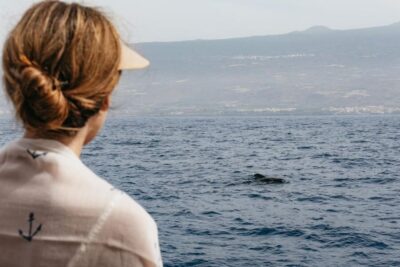 ★ 4.6Costa Adeje: Whale & Dolphin Eco-Cruise with Snacks & DrinksFrom $525,096 reviews
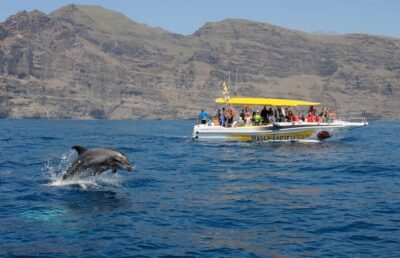 ★ 4.7Los Gigantes: Dolphin & Whale Watching Cruise with Swim StopFrom $334,539 reviews
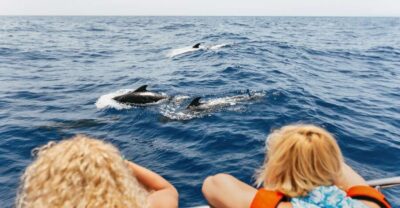 ★ 4.7Costa Adeje: Whale Watching Catamaran Tour with DrinksFrom $413,653 reviews
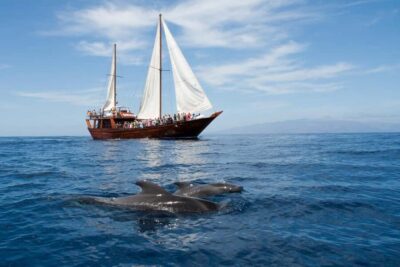 ★ 4.7Whale & Dolphin Watching Cruise with Swim StopFrom $293,227 reviews
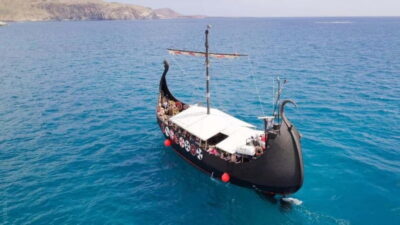 ★ 4.6Los Cristianos: Viking Cruise Whales & Dolphins WatchingFrom $473,132 reviews
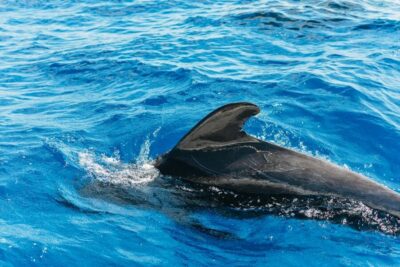 ★ 4.4Whale & Dolphin Watching with Drinks and SnacksFrom $772,929 reviews
Browse the lists this tour appears in