
Reviewed · TENERIFE
Tenerife: Canary History and Color Potatoes
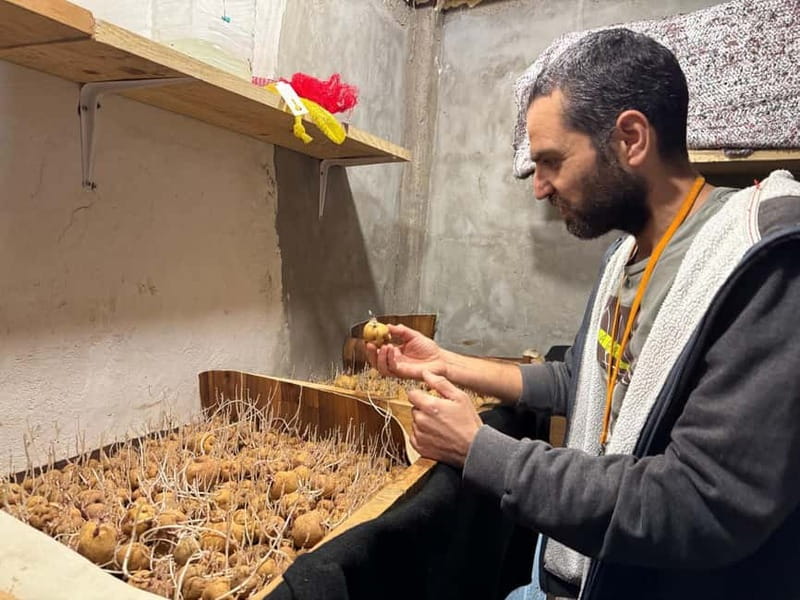
Color potatoes meet old paths in Icod el Alto. What I love most is the Historic Camino Real walk and the chance to learn how colored Canarian potatoes were grown and kept alive for centuries. You’ll also feel the difference a great guide makes, and I’ve seen English support from guides like Sara, who can turn farm talk into real island context.
The main thing to consider is the walking: it’s an outdoor route with uneven ground, and you should be ready for the full 2 hours on foot with the right shoes and a hat.
In This Review
- Key things to know before you go
- Why Icod el Alto is perfect for Canarian potato stories
- Start at Parroquia de Nuestra Señora del Buen Viaje
- Walking the Historic Camino Real at a human pace
- The potato birthplace: where color farming began
- Sustainable farming practices you can actually picture
- Potato tasting: what to expect, and how to make it worthwhile
- Price and value: is $29 worth 2 hours?
- Logistics that can make or break your day
- Who should book this Tenerife tour (and who might skip it)
- Should you book: the quick decision guide
- FAQ
- How long is the Tenerife tour?
- How big is the group?
- Where do we meet for the tour?
- What languages are the guides?
- What should I bring?
- Is there food included?
- Does the tour run in rain?
- How do I get to the meeting point if I don’t have a car?
- Is the tour suitable for all ages?
- Can I cancel or change my plans?
Key things to know before you go
- Small group size (limited to 8) so you actually get answers, not head-nods
- Historic Camino Real route that connects Tenerife’s past to daily life
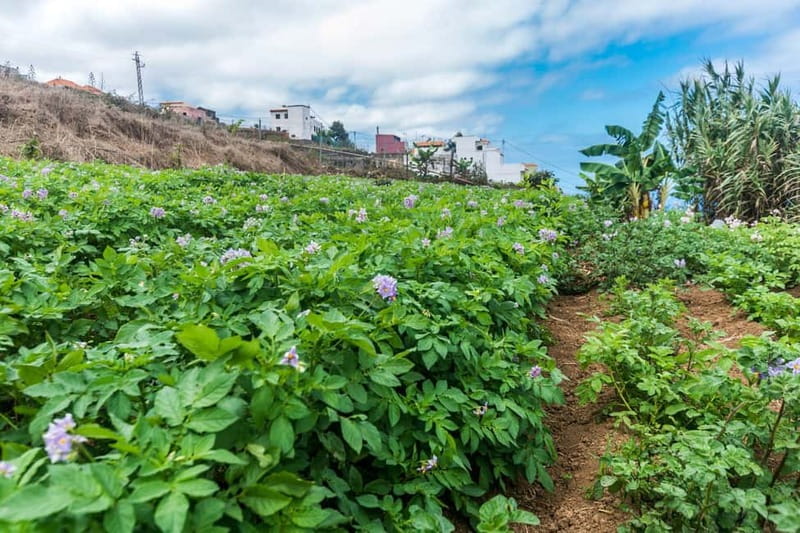
- 29 potato varieties tied to local families since the 17th century
- Seasonal potato tasting depending on what’s available when you visit
- Sustainable farming lessons you can explain at home, not just admire
A few more Tenerife trips to weigh up before you book
- Tenerife: History The Evolution of Music Show Entry Ticket★ 4.8 · 620 reviews
- Tenerife: Guided Historical Bike Tour with E-Bike Option★ 3.9 · 83 reviews
- E-MTB TOUR. Orotava valley + it’s historic villages + local traditions.★ 5.0 · 27 reviews
Why Icod el Alto is perfect for Canarian potato stories
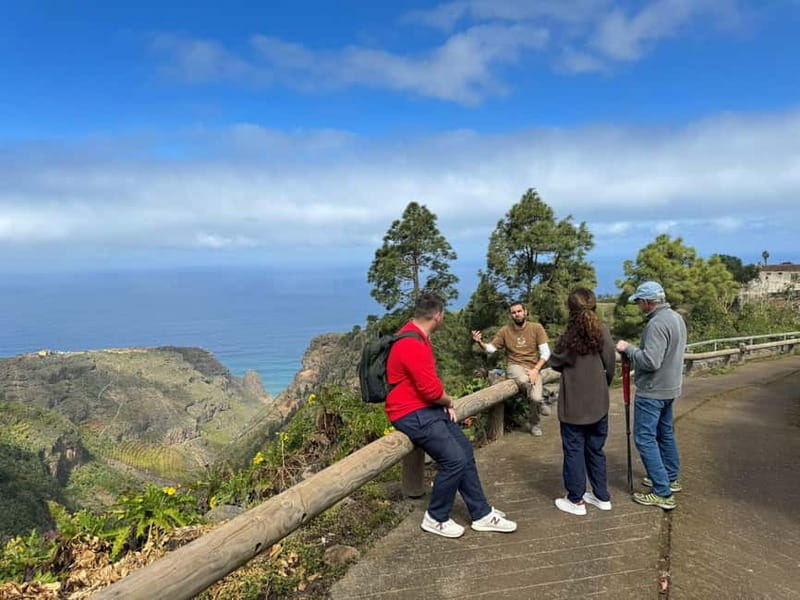
Tenerife isn’t only viewpoints and coast. In Icod el Alto (in Los Realejos), the island shows you the part people used every day: farming, walking routes, and food that had to make sense in local conditions. This tour is built around agriculture, but it doesn’t feel like a lecture. You’re moving on foot, hearing why certain practices mattered, and seeing how tradition stays practical.
The colored potato piece is the headline, but it’s not just about pretty skins. You’ll learn that local families have cultivated 29 varieties since the 17th century, which helps explain why Canarian potato culture still feels alive in Tenerife cuisine. That number sticks with you because it signals something bigger than one harvest. It’s variety as a way to manage taste, resilience, and continuity.
And because the group is small, you get more than a checklist. When a guide is switched on and genuinely enthusiastic, you end up with better context for what you’re seeing. In one experience I heard about, the guide also offered useful pointers for the rest of the trip, not just the tour stops.
Start at Parroquia de Nuestra Señora del Buen Viaje
Your tour begins at Parroquia de Nuestra Señora del Buen Viaje under the flags in Icod el Alto (Los Realejos), on Camino el Dornajo street. It’s a clear, local meeting point, which matters because you’ll be walking on uneven ground and you’ll want to start on time.
From the first minutes, you can tell the pace is meant for understanding, not rushing. You’re not just collecting photos. You’re listening for connections: why people walked certain paths, why particular crops survived, and how sustainable farming fits into island life.
The fact that the tour runs with live guides in both Spanish and English is a real plus if you’re traveling with mixed language comfort. It also usually means explanations stay clearer and more detailed than you’d get from an audio-only walk.
Walking the Historic Camino Real at a human pace
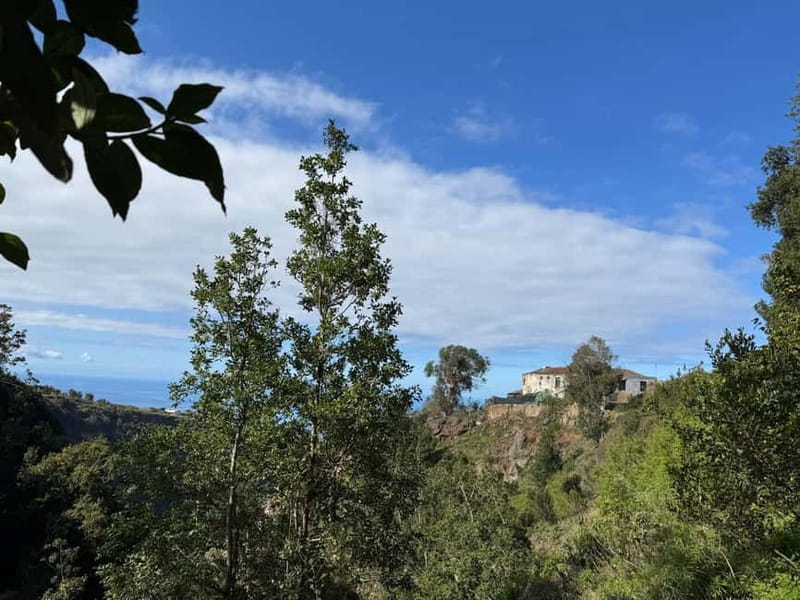
One of the tour’s best strengths is the portion along the Historic Camino Real. This is the kind of path where you feel the logic of the past. It’s not a paved promenade; it’s a route shaped by daily travel and the practical movement of people and goods.
Here’s what you’ll get out of it: a better sense of how Tenerife’s history isn’t floating in the abstract. It’s tied to foot traffic, farming schedules, and the geography that determined what could be grown and transported.
You should expect some uneven footing. Comfortable walking shoes are not a suggestion; they’re the difference between enjoying the walk and constantly watching your step. If you’re someone who hates “slippery technical ground,” this is your heads-up. Bring shoes with grip, and take it slow when the path looks narrow or uneven.
The potato birthplace: where color farming began
The emotional center of the tour is the birthplace of the colored Canarian potato. The idea is simple and powerful: you’re learning how local families kept dozens of varieties alive for generations, and why those varieties still matter for food and farming in the Canaries.
The story isn’t just “here’s a potato.” You’ll hear how these varieties were cultivated and preserved, starting in the 17th century, which gives you a time anchor for the culture. When you understand that the varieties were actively grown by local families—not imported and forgotten—you start to see colored potatoes as heritage food.
And yes, there’s a tasting component. Depending on the season and what’s available, you may taste different organic colored potato varieties. This part is worth looking forward to because it turns information into something you can judge with your own senses: flavor, texture, and how each variety tastes compared to the others.
If tasting isn’t available on your specific day, don’t assume you’ll leave disappointed. Even without it, the heritage and farming context are still the point of the visit.




Sustainable farming practices you can actually picture
The tour frames farming as something that supports the community and the environment at the same time. You’ll learn about sustainable farming methods used by local farmers and how those choices help preserve the land while keeping livelihoods steady.
What makes this section valuable is the way the guide ties practices to real results. Instead of generic sustainability talk, you’ll hear how farming methods affect what grows, what survives, and how people continue the work. This is a “you can picture it” style of explanation because you’re surrounded by the setting where it happens.
This is also where the small-group format really helps. If you have questions—about soil, crop variety, or how small farms manage year-to-year changes—you have a better chance of getting a clear answer.
Potato tasting: what to expect, and how to make it worthwhile
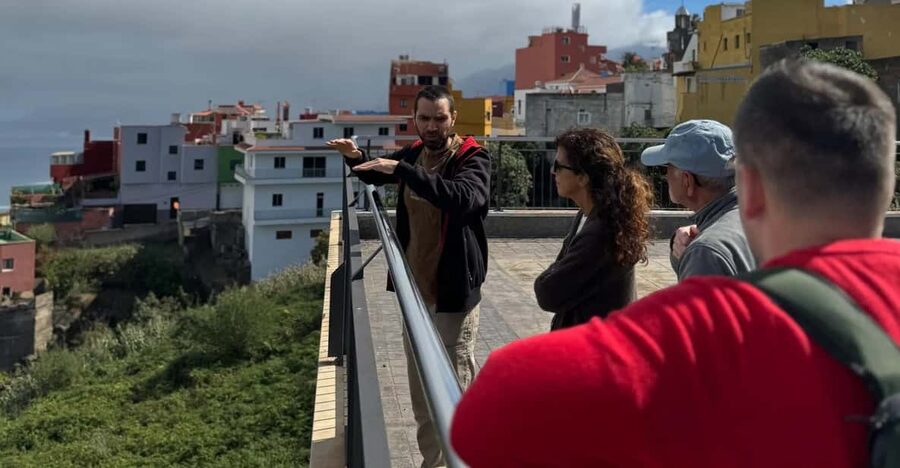
If you get the potato tasting, treat it like a mini food course, not a quick snack. Try to notice the differences in texture and flavor as you go. If the guide offers context as you taste, use it. For example, when you hear how a variety was grown, you can connect that to what you’re tasting.
Two practical tips:
- If you’re sensitive to strong flavors, ask early how intense the varieties might be. Availability depends on season, so the guide’s guidance matters.
- If you’re food-motivated, plan a lighter meal before the tour so tasting feels enjoyable, not like an afterthought.
Also, remember the tour includes walking and outdoor time. Eat and hydrate accordingly, but don’t fill up so hard that you’re uncomfortable during the field paths.
Price and value: is $29 worth 2 hours?
At about $29 per person for a 2-hour guided small-group eco cultural tour, you’re paying for three things: a live guide, outdoor walking through a working agricultural area, and access to a specific heritage story tied to colored potatoes.
That’s good value compared to tours that only show you viewpoints or a short stop at a single museum-like site. Here, you’re getting movement, explanation, and a potential food component. And the cap of 8 participants matters. With that size, the guide can keep track of what you’re asking and adjust the pace when needed.
Is it a bargain? It’s priced like a focused local experience, not a big “bus tour” production. If you like Tenerife that feels lived-in—farms, paths, and food that has reasons behind it—this is the type of tour that feels fair and memorable.
Logistics that can make or break your day
This tour runs in typical outdoor conditions—rain or shine—and only severe weather might lead to rescheduling. That means you should pack like you’ll be outside for the full 2 hours.
Bring:
- Comfortable shoes for uneven ground
- A hat and sunscreen
- Weather-appropriate clothing, plus a jacket since it can feel cooler around 500 meters altitude
- Comfortable clothes that you don’t mind getting dusty or damp
Getting there:
- You’ll need your own vehicle, or you can use bus line 354 from Puerto Cruz or Icod de los Vinos.
Group size is small (max 8), and the tone tends to be friendly and authentic. If you like learning with people near you instead of shouting across a crowd, this format fits.
Who should book this Tenerife tour (and who might skip it)
You’ll likely love this tour if you want Tenerife beyond the postcard checklist. It’s especially good for:
- Food lovers who want a real connection to ingredients, not just tasting
- Garden-and-farm nerds (you know who you are)
- Travelers who prefer small groups and conversation
- Anyone interested in how local traditions connect to sustainable practices
You might want to skip or choose a gentler option if you:
- Struggle with uneven ground or long walking stretches
- Hate outdoor weather changes (since it operates rain or shine)
- Prefer tours with lots of seats and minimal hiking
The good news is that “outdoors” doesn’t mean extreme. It’s a manageable walk for most people who can handle uneven paths with the right footwear.
Should you book: the quick decision guide
Book it if you want a Tenerife experience that explains why the island eats the way it does. The combination of the Historic Camino Real walk, the colored potato heritage, and the farming sustainability lessons gives you more than a souvenir story.
I’d especially book it early in your trip if you like getting practical local context for the days ahead. And if you’re the type who enjoys small-group guides who genuinely talk—like I’ve heard from Sara and other friendly, prepared guides who share island tips—this tour has a strong chance of becoming a highlight.
If you’re uncertain about the walking, that’s the one filter to respect. Comfortable shoes, a hat, and realistic expectations about uneven ground will make the whole experience feel worth it.
FAQ
How long is the Tenerife tour?
It lasts 2 hours.
How big is the group?
The tour is limited to 8 participants.
Where do we meet for the tour?
You meet under the flags of Parroquia de Nuestra Señora del Buen Viaje in Icod el Alto (Los Realejos), on Camino el Dornajo street, 38414 Icod el Alto, Santa Cruz de Tenerife.
What languages are the guides?
The live tour guide speaks Spanish and English.
What should I bring?
Bring comfortable walking shoes (and/or hiking shoes), a hat, sunscreen (biodegradable), comfortable clothes, and weather-appropriate layers. A jacket is advised since conditions can change around 500 meters altitude.
Is there food included?
Depending on season and availability, you may enjoy tasting different varieties of organic color potatoes.
Does the tour run in rain?
It operates rain or shine, though severe weather may lead to rescheduling.
How do I get to the meeting point if I don’t have a car?
You can use bus line 354 from Puerto Cruz or Icod de los Vinos.
Is the tour suitable for all ages?
It’s suitable for all ages, but uneven ground walking is required.
Can I cancel or change my plans?
Yes. You can cancel up to 24 hours in advance for a full refund, and you can reserve now and pay later.
More Historical Tours in Tenerife
- Tenerife: History The Evolution of Music Show Entry Ticket
★ 4.8 · 620 reviews - Tenerife: Guided Historical Bike Tour with E-Bike Option
★ 3.9 · 83 reviews - E-MTB TOUR. Orotava valley + it’s historic villages + local traditions.
★ 5.0 · 27 reviews
More Tour Reviews in Tenerife
- Siam Park Entry Tickets
★ 4.5 · 15,710 reviews - Tenerife: Eco-Yacht Whale and Dolphin Watching and Swimming
★ 4.7 · 15,619 reviews - Los Cristianos Respectful No-Chase Whale and Dolphin Safari
★ 4.6 · 12,782 reviews - Tenerife: Loro Parque Entry Ticket
★ 4.8 · 12,411 reviews - Loro Parque and Siam Park Combined Admission Tickets
★ 4.7 · 7,307 reviews