
Reviewed · SNORKELING WITH TURTLES
Snorkeling in a Volcanic Bay
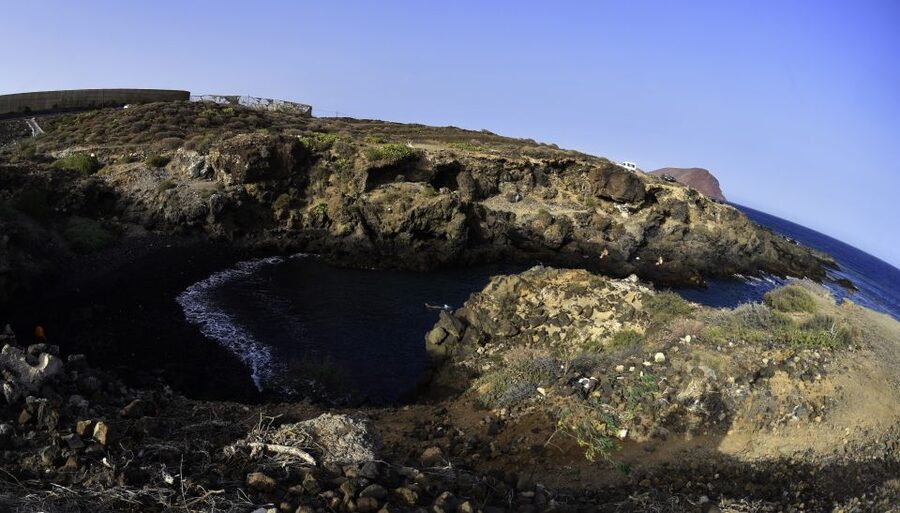
A volcanic seabed is the main attraction here. In Los Abrigos, you snorkel over volcanic rock formations while an instructor helps you spot Tenerife’s marine life. It’s a short trip with a clear goal: enjoy the water, learn what you’re seeing, and come back with photos.
What I like most is the guided snorkeling. You’re not just dropping in with a mask—you’re led through the rocky area so you actually know what to look for, from starfish to the creatures hiding in crevices. Second, the activity includes free photos, so you get a keepsake even if you’re busy keeping your mask clear and your eyes open.
One consideration: wildlife isn’t guaranteed. One past participant said they saw only a few fish and didn’t spot the bigger-ticket animals mentioned in the description, especially since the snorkel was close to the port. Go in with realistic expectations and focus on the rocks, the smaller critters, and the overall underwater scenery.
In This Review
- Key things worth knowing before you go
- Finding the dive center at Marina del Sur
- Safety briefing and gear check: the 10 minutes that matter
- The short sail to Los Abrigos
- One hour snorkeling volcanic rock formations
- What you should look for underwater
- Learning as you go
- A reality check from past experience
- What the free photo report is actually good for
- Price and value: what you’re paying for
- Who should book this snorkeling in Tenerife
- Should you book this Los Abrigos snorkeling?
- FAQ
- How long is the snorkeling experience?
- Where do we meet?
- What’s included in the price?
- Do I need to bring my own snorkeling gear?
- What are the age and swimming requirements?
- What should I bring?
Key things worth knowing before you go
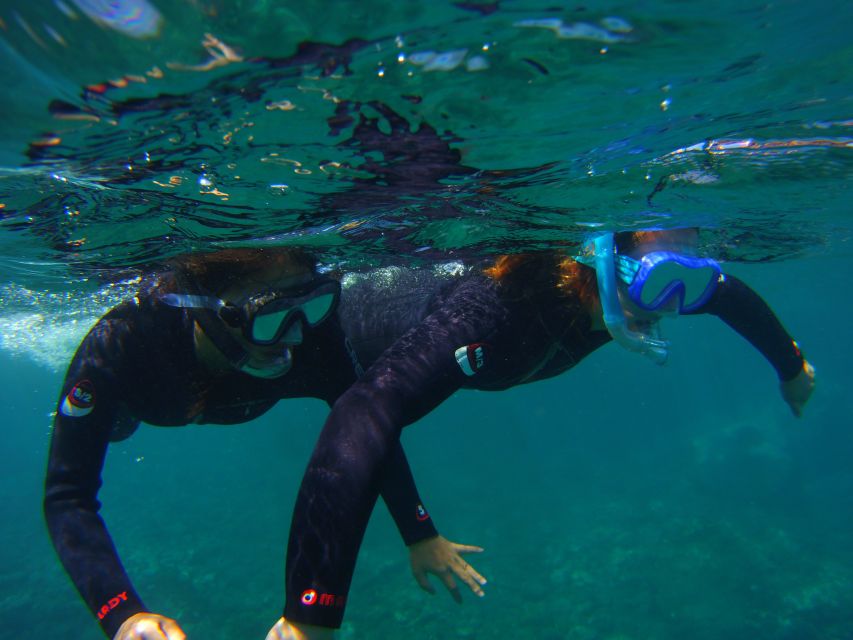
- Los Abrigos volcanic rocks: the seabed is the show, with life tucked into cracks and shelves
- Instructor-led spotting: you’ll get help finding starfish and other sea life around the formations
- Calm-water conditions: the site is chosen for easier snorkeling and clearer views
- A one-hour snorkel window: enough time to settle in without dragging on
- Free photo report: you leave with images you might not manage to capture yourself
- Realistic wildlife odds: you might see stingrays or sea turtles, but luck matters
Other spots where the turtles gather
- Tenerife: Kayak and Snorkel with Turtles, Wetsuits Included★ 4.6 · 7,215 reviews
- Tenerife: Kayak Safari and Snorkel in a Marine Reserve★ 4.5 · 3,214 reviews
- Tenerife: Kayak & Snorkel with Local Fauna, Photos Included★ 4.6 · 2,010 reviews
- Tenerife: Your First Scuba Diving Experience in Turtle Area★ 4.7 · 1,679 reviews
Finding the dive center at Marina del Sur
This snorkeling trip starts at the dive center at Marina del Sur in Puerto de Las Galletas. If you’re staying in the south of Tenerife, this is a convenient base area, and it keeps the overall day tight and simple.
You’ll meet the team, then get sorted for the water. The provider is Ocean Friends Buceo and Freediving, and the instruction is available in Spanish and English. If you don’t speak Spanish, you’re fine—just plan to ask questions early, during the pre-water briefing, when the tone is calm and clear.
Two practical things to bring: a towel and your swimsuit. You’ll likely spend some time putting on gear and getting ready, so having those ready speeds everything up.
Safety briefing and gear check: the 10 minutes that matter
Before you head out, there’s a 10-minute safety briefing. Even if you’ve snorkeled before, I’d treat this as the most important part of the whole outing. This is where the team sets the expectations: how to move in the water, how to stay together, and what to do if something feels off with your breathing or buoyancy.
Then comes gear time. You’ll get snorkeling equipment including a wetsuit, fins, snorkel, and mask. That matters for comfort and control, especially around a rocky seabed where you’ll want stable feet and good visibility. A wetsuit also buys warmth, since “warm sunshine” doesn’t always mean the water stays mild.
Important fit notes:
- You must be able to swim to join.
- The minimum age is 8 years old.
- This isn’t listed for non-swimmers, so don’t plan on floating through it.
If you’re a confident swimmer but a bit rusty on snorkel breathing, tell your instructor before you enter the water. People do better when the first minutes are focused, not panicked.
The short sail to Los Abrigos
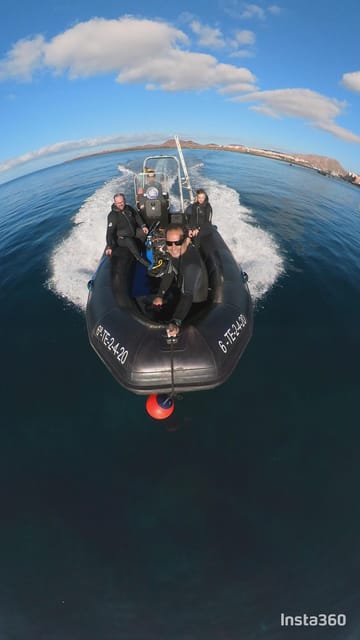
After the briefing, you’ll head out on a 15-minute sailing segment. The total tour time is 1.5 hours, so you’re not spending half the day on a boat.
Why this short sail is worth paying attention to: it sets up the main advantage of this snorkeling spot—calm conditions and clear visibility. A lot of snorkeling trips live or die on water conditions. Here, the bay is chosen for relaxed viewing, which means you can spend more time looking at the seabed and less time fighting waves or struggling to keep your face in the water.
When you come back, there’s another 15 minutes of sailing. That keeps the rhythm smooth: brief boat time, longer water time, quick return.
One hour snorkeling volcanic rock formations
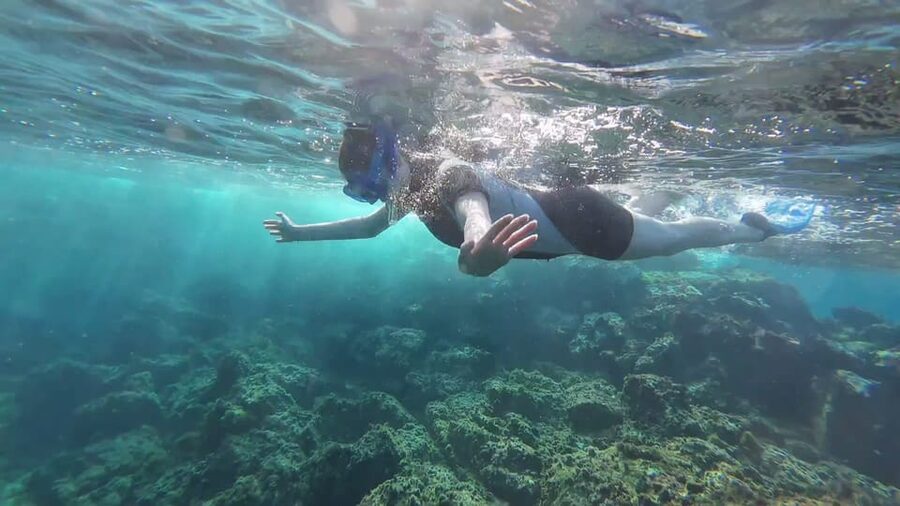
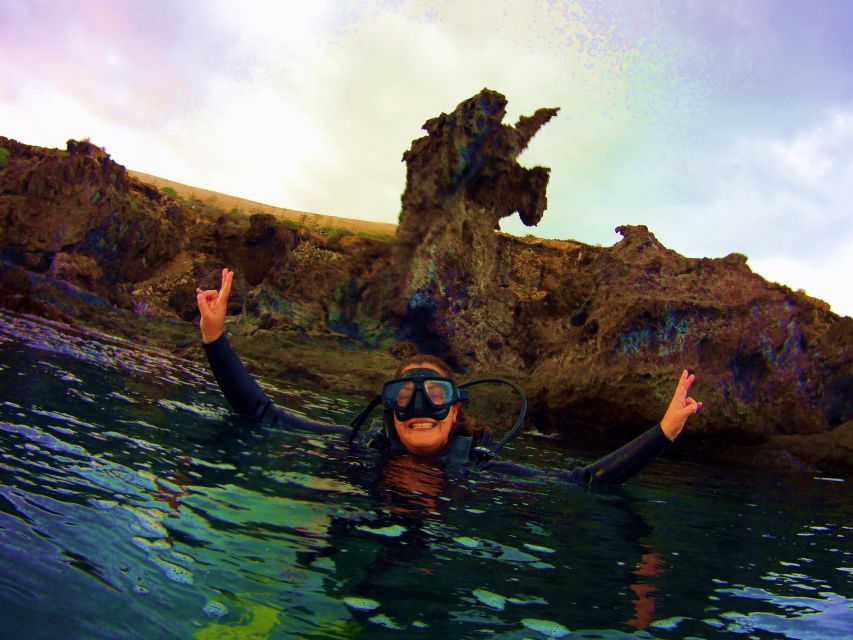
Your snorkel time is a full 1 hour, guided by an instructor. This is where the experience earns its name: you’ll swim around volcanic rock formations rather than just cruising over sand.
That difference matters. Volcanic rock creates ledges, cracks, and vertical surfaces. Those features give animals places to hide and feed—so your chances of seeing something interesting improve when you move with a guide instead of wandering randomly.
A few more Tenerife trips to weigh up before you book


What you should look for underwater
The description sets the tone for what’s possible, and it’s the kind of list that’s helpful because it tells you what to train your eyes on. Keep an eye out for:
- Starfish
- Octopus and cuttlefish
- Moray eels
- Parrot fish
- Sea crabs and other crustaceans
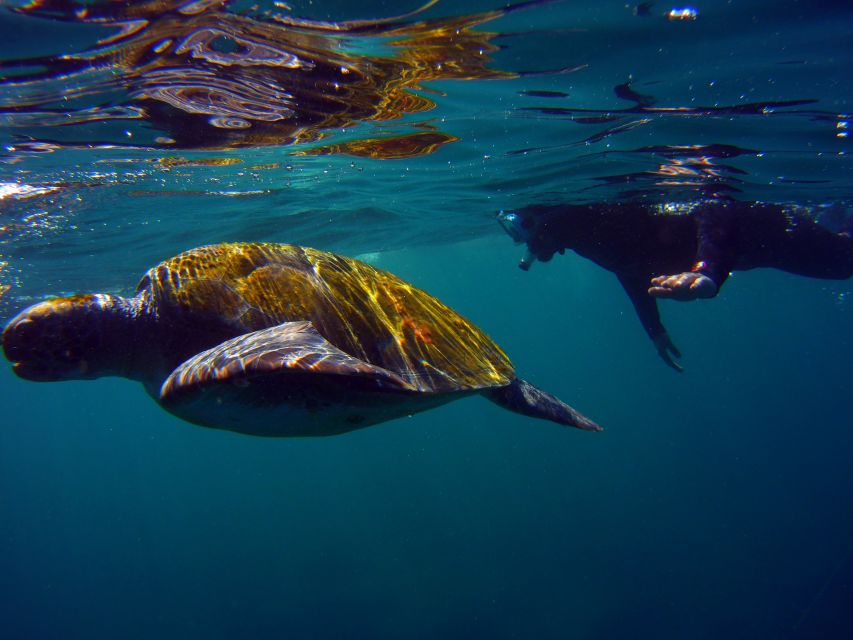
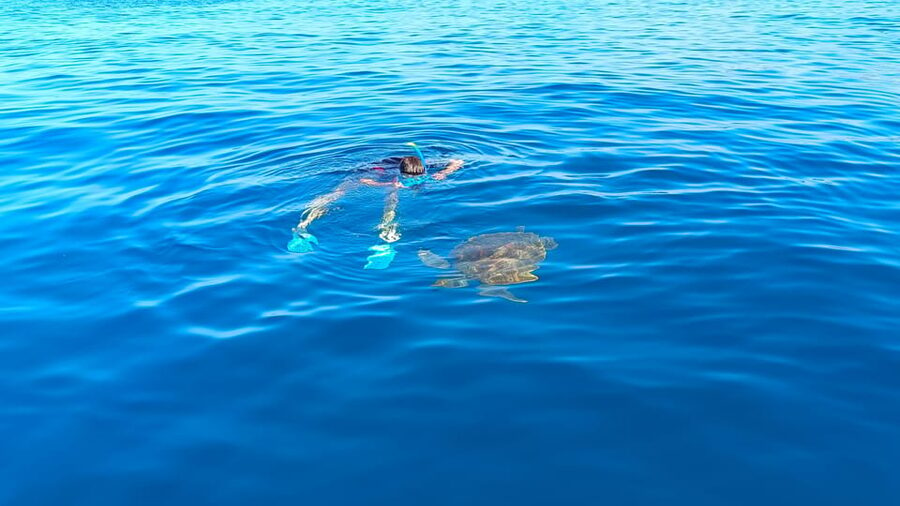
It’s also described as a place where you might spot a stingray or a sea turtle, if you’re lucky.
Here’s my practical tip: during the snorkel, move slower than you think you need to. Many sea creatures don’t look obvious at first—they’re tucked into shadows, or they freeze when something passes overhead. Slow movement helps you notice subtle motion: a change in color on the rock, a darting silhouette, a slow drift that wasn’t caused by the waves.
Learning as you go
One of the best parts of an instructor-led snorkel is that you’re not just seeing shapes—you’re getting context. The guide helps you interpret what you’re looking at on the volcanic seabed, including marine flora and fauna living around the formations. That turns your hour in the water into something closer to a guided nature walk, just underwater.
And if you’re wondering whether you’ll feel rushed: it’s structured to be relaxed and fun, with calmer water conditions designed to make snorkeling easier. The point isn’t advanced exploration—it’s seeing Tenerife’s underwater life up close.
A reality check from past experience
Not everyone will see every animal listed. One previous participant noted they were near the port and only saw a few fish, with no turtles or other bigger animals. That’s a good reminder that underwater visibility and animal sightings can vary even when conditions are good.
So if you’re booking with a single target—say, sea turtles—plan to enjoy the rest of the seabed life even if that specific moment doesn’t happen. In volcanic bays, the rocks themselves often make the experience feel special, even when animal sightings are modest.
What the free photo report is actually good for
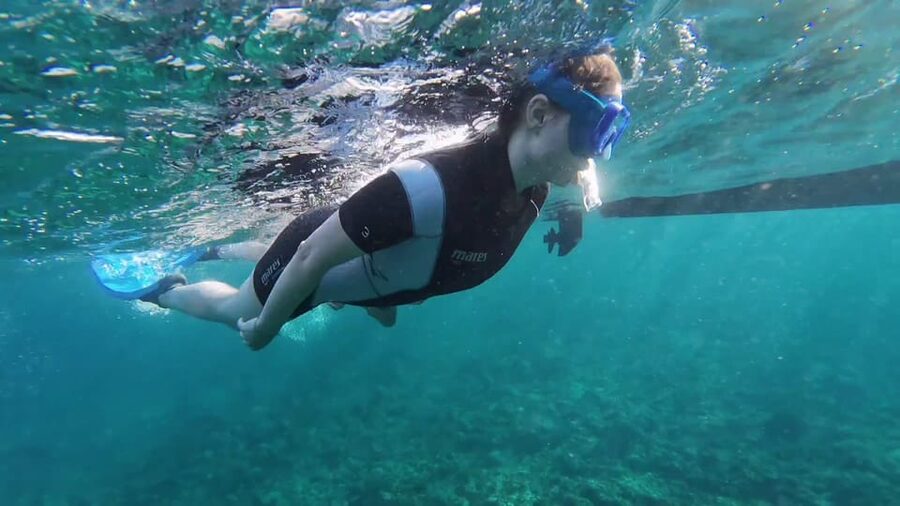
You get a photo report included in the price. That’s a big quality-of-life win. Snorkeling is physical and focused; it’s hard to both breathe comfortably and get good photos at the same time. A free photo set means you can remember the trip without needing a waterproof camera.
Some past guests praised the images and mentioned the instructor making it happen for their group. One review talked about a child who couldn’t keep up as expected, and the instructor supported them in the water and still got great photos. That kind of detail tells me the team pays attention to comfort and participation—not just the scenery.
What I recommend doing: treat the photo moment as part of the snorkeling, not as a distraction. When the instructor signals you for pictures, hold position and relax your breathing. The more stable you are, the better the chances of clear shots.
Also, if you’re planning to share on social media, the photo report saves you from searching for your own half-blurry underwater snaps.
Price and value: what you’re paying for
The price is $69 per person for about 1.5 hours, and it includes:
- Transfer to the bay
- Snorkeling equipment (wetsuit, fins, snorkel, mask)
- Instructor
- Insurance
- Free photos
That bundle is what makes the value feel solid. You’re not just buying access to water—you’re buying the structure (briefing + instructor), the gear, and the safety support. If you’ve ever tried to assemble snorkeling gear and pay for instruction separately, you know how quickly costs add up.
The “optional video” is not included, so if you want extra media, that may cost extra. But for most people, the included photo report is the money-saving piece.
One other value point: the activity is short. If you’re traveling on a tight schedule in Tenerife, a 1.5-hour outing can fit into a day without eating up your whole afternoon.
Who should book this snorkeling in Tenerife
This one is best for people who meet the requirements and want an easy, guided water experience.
It’s a great match if:
- You’re a swimmer (required)
- You’re at least 8 years old
- You want a guided snorkel focused on spotting marine life around volcanic rock
- You like the idea of leaving with a photo keepsake
It’s not a good match if:
- You’re a non-swimmer
- Your child is under 8
- You want an entirely guaranteed chance at specific animals like sea turtles (luck plays a role)
If you’re traveling as a family, pay attention to the age rule. One review described an instructor supporting a child in the water when they couldn’t keep up, but that doesn’t override the listed minimum age. If you’re deciding between options, follow the requirements and consider how confident your child is in the water before booking.
Should you book this Los Abrigos snorkeling?
I’d book it if you want a short, friendly snorkeling experience in Tenerife with a real guide and a strong underwater focus. The volcanic rock formations are a natural “learning platform,” and the instructor support makes it far easier to spot starfish, parrot fish, and other reef-style life than snorkeling unguided.
I’d hesitate only if you’re coming with a strict must-see list (like sea turtles) and you’re the type who gets disappointed when wildlife sightings are lighter than expected. In that case, I’d still go—but I’d adjust expectations to enjoy what you do see, especially the rocks and the smaller marine creatures.
If you can swim and you’re ready for calm-water snorkeling, this is a good use of time—and the included photo report helps you remember it without hassle.
FAQ
How long is the snorkeling experience?
The total duration is about 1.5 hours, including a short sail, a 10-minute safety briefing, and about one hour of snorkeling.
Where do we meet?
Meet at the dive center in Marina del Sur, in Puerto de Las Galletas.
What’s included in the price?
It includes transfer to the bay, snorkeling equipment (wetsuit, fins, snorkel, mask), an instructor, insurance, and a free photo report.
Do I need to bring my own snorkeling gear?
No. You’ll be provided with wetsuit, fins, snorkel, and mask.
What are the age and swimming requirements?
Participants must be at least 8 years old and must be able to swim.
What should I bring?
Bring a towel and your swimsuit.
More Snorkeling in Tenerife
- Tenerife Snorkeling boat trip in a Turtle Habitat
★ 4.1 · 1,547 reviews - Tenerife: Sailboat Tour Whale Watching Food and Snorkeling
★ 4.8 · 652 reviews - Tenerife: Snorkeling Tour in a Marine Protected Area
★ 4.9 · 636 reviews - Tenerife: Whales and Snorkeling Tour on a Luxury Yacht
★ 4.9 · 443 reviews - Abades: Guided Snorkeling Tour with Photos
★ 4.8 · 344 reviews
More Tour Reviews in Tenerife
- Siam Park Entry Tickets
★ 4.5 · 15,710 reviews - Tenerife: Eco-Yacht Whale and Dolphin Watching and Swimming
★ 4.7 · 15,619 reviews - Los Cristianos Respectful No-Chase Whale and Dolphin Safari
★ 4.6 · 12,782 reviews - Tenerife: Loro Parque Entry Ticket
★ 4.8 · 12,411 reviews - Loro Parque and Siam Park Combined Admission Tickets
★ 4.7 · 7,307 reviews
Where Else to Snorkel with Turtles
- Tenerife: Kayak and Snorkel with Turtles, Wetsuits Included
★ 4.6 · 7,215 reviews - Tenerife: Kayak Safari and Snorkel in a Marine Reserve
★ 4.5 · 3,214 reviews - Tenerife: Kayak & Snorkel with Local Fauna, Photos Included
★ 4.6 · 2,010 reviews - Tenerife: Your First Scuba Diving Experience in Turtle Area
★ 4.7 · 1,679 reviews - Tenerife Snorkeling boat trip in a Turtle Habitat
★ 4.1 · 1,547 reviews
Just Added: Fresh Tenerife Reviews



Snorkeling with Turtles, compared.
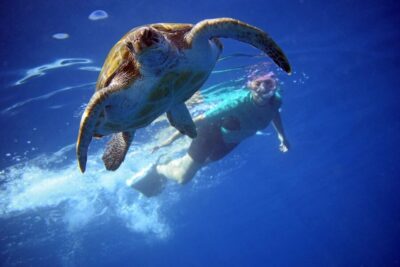 ★ 4.6Kayak and Snorkel with Turtles, Wetsuits IncludedFrom $357,215 reviews
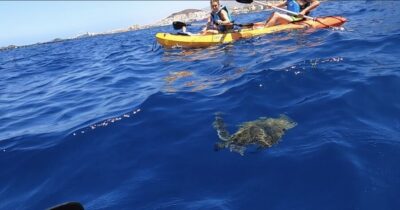 ★ 4.5Kayak Safari and Snorkel in a Marine ReserveFrom $293,214 reviews
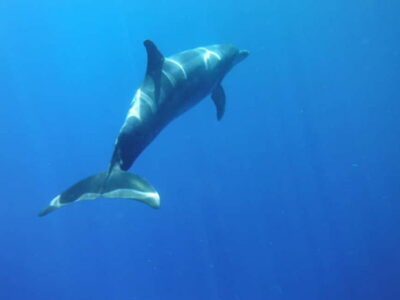 ★ 4.6Kayak & Snorkel with Local Fauna, Photos IncludedFrom $362,010 reviews
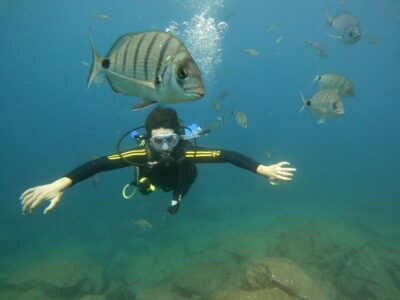 ★ 4.7Your First Scuba Diving Experience in Turtle AreaFrom $841,679 reviews
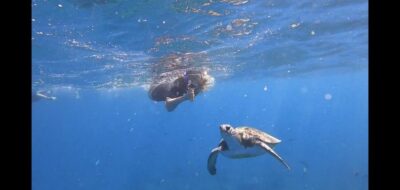 ★ 4.1Tenerife Snorkeling boat trip in a Turtle HabitatFrom $421,547 reviews
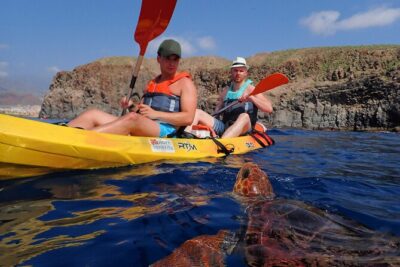 ★ 4.5Turtle & Dolphin Kayak Tour with Snorkel & WetsuitFrom $421,411 reviews
 ★ 4.8Sailboat Tour Whale Watching Food and SnorkelingFrom $70652 reviews
 ★ 4.8Kayak Sea Safari with Snorkel and SnacksFrom $41639 reviews
Browse the lists this tour appears in