
Reviewed · FOOD & TAPAS TOURS
Rural Life Experience: Mojo Workshop and botanical Walk
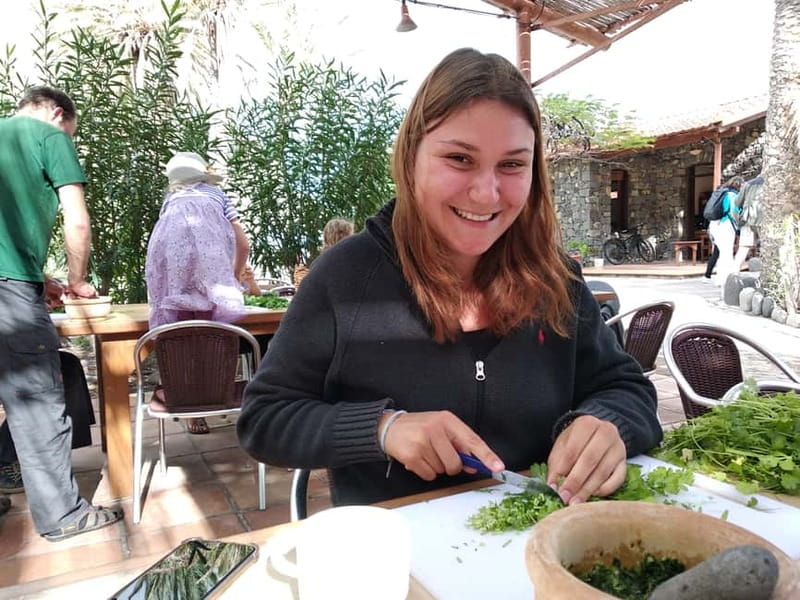
Mojo sauce starts with a plant walk. This La Gomera rural experience pairs a guided botanical trek with a hands-on workshop where you make classic Canary Islands mojo the traditional way. I especially like the fact that it is small—just four people—so you get real back-and-forth with the guide instead of feeling rushed.
I also love the double payoff: you learn about plants and growing conditions in La Laja, then you turn those ingredients into mojo using a mortar and stone. One heads-up: the walk can get hot, and the tour is not suitable for people with low fitness or those afraid of heights.
In This Review
- Key Highlights You’ll Actually Feel
- La Laja: Where Mojo Starts Before You Ever Stir It
- From Bus Stop to Valley Walk to Workshop: The 3.5 Hours in Plain English
- Botanical Walk with Zdenka: Plants, Climate, and Why La Gomera Grows Like It Does
- Field Time for Coriander and Canary Chilies: Learning by Doing
- The Traditional Mojo Workshop: Mortar, Stone, and Real Technique
- Why the Mojo Tasting Part Matters More Than You Think
- Price and Value: What $74 Gets You in Real Terms
- Who Should Book This Mojo Workshop and Botanical Walk
- Practical Tips: What to Bring and How to Stay Comfortable
- Should You Book Corazón Verde La Gomera’s Mojo Workshop?
- FAQ
- Where does the experience start?
- How long is the rural life mojo experience?
- How many people are in a group?
- Who leads the walk and workshop?
- Is transport to La Laja included?
- What’s included in the price?
- What will I taste during the session?
- What ingredients do you learn about in the fields?
- What should I bring?
- Is it suitable for everyone?
Key Highlights You’ll Actually Feel
- A small group of 4 means plenty of time for questions
- Zdenka (botanist and gardener) explains history, climate, and local nature
- La Laja valley botanical walk shows how agriculture fits the island’s terrain
- Field time with coriander and canary chilies—you’ll learn to plant and harvest
- Traditional mojo workshop using mortar-and-stone technique
- Mojo tasting with local potatoes or bread to round out the experience
Other tables and tastings around the island
- La Orotava: Eco Banana Plantation Tour with Banana Liquor★ 4.7 · 863 reviews
- Tacoronte: Guided Winery Tour with Wine and Cheese Tastings★ 4.6 · 481 reviews
- Los Gigantes: Sailing Excursion with Swimming, Drink & Tapas★ 4.8 · 471 reviews
- Tenerife: Volcano Teide Buggy Tour with Wine Tasting & Tapas★ 4.8 · 279 reviews
La Laja: Where Mojo Starts Before You Ever Stir It
If you think mojo is just something you drizzle over potatoes, this experience will change how you see it. The big idea is simple: before you taste mojo, you learn the plants, the growing conditions, and the practical farming logic behind the sauce.
You’ll meet in La Laja central by the bus stop near the Plaza / Centro Social, then head out with Zdenka—part gardener, part botanist. She’s there to connect what you see (plants, fields, climate) with what you’ll make later. That matters, because mojo is not one flavor. It’s a family of flavors shaped by local ingredients and methods.
I like that the experience stays grounded in everyday rural life. It’s not a museum lesson. You’re walking through real agricultural surroundings and then using real traditional technique to produce something you can actually cook at home. And because the group is tiny, you can ask the practical questions—how something grows here, why that ingredient matters, what changes between versions.
From Bus Stop to Valley Walk to Workshop: The 3.5 Hours in Plain English
This is a 3.5-hour experience, and it runs at starting times you can check for availability. The flow is steady and logical: walk first, then hands-on food work.
You begin at the meeting point at the bus stop in the center of La Laja, next to the Plaza / Centro Social. From there, you take a walk toward the valley area to see local plants and agriculture. Expect explanation during the walk—Zdenka discusses the island’s history and climate as they relate to what grows where.
After the botanical walk, you move into the fields area where you can learn how to plant coriander and canary chilies, and you’ll also have time to harvest the ingredients. Then the workshop shifts to cooking: you make mojo using a mortar and a stone method that’s built around crushing, mixing, and tasting as you go.
Finally, you get mojo tasting, typically with local potatoes or bread, and you end back at the meeting point.
The main drawback in the schedule is that it’s active. You’ll be walking and standing some, so bring water, pace yourself, and plan for warm conditions.
Botanical Walk with Zdenka: Plants, Climate, and Why La Gomera Grows Like It Does
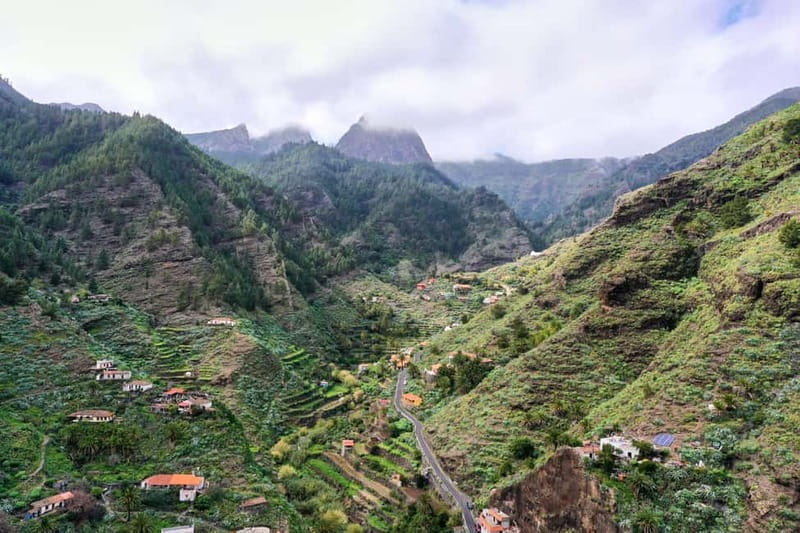
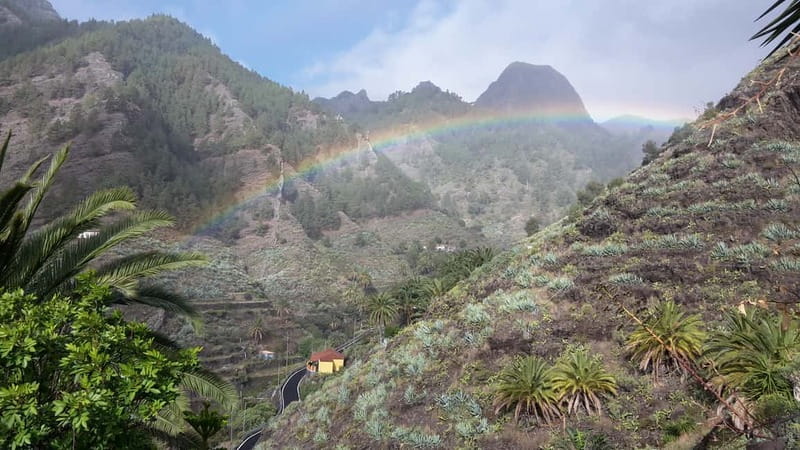
The signature part here is the guided walk through the La Laja area and down into the valley. This is where you get context for the whole day.
Zdenka explains a lot about:
- Local plant life and what you’re seeing in front of you
- History and climate, and how they shape agriculture on La Gomera
- The island’s unique nature, tied directly to farming choices
That’s more useful than it sounds. When you understand the climate and the plant behavior, mojo stops being a random recipe and becomes a reflection of local ingredients you can recognize and even substitute with confidence at home.
One reason I think this walk is worth doing is the teaching style that comes through in real time. With only four participants, you’re not just a passenger looking at plants—you can ask questions and get answers that match what you’re actually seeing. In small groups, the guide isn’t forced to talk over you or move on too fast.
Also, the experience specifically mentions that the walk takes you through the green valley of La Laja. So you’re not just learning indoors. You’re seeing the environment that makes ingredients like herbs and chilies important in local cooking.
Field Time for Coriander and Canary Chilies: Learning by Doing
After the walk, you shift from observation to action. The tour includes time in the fields where you’ll learn practical growing and ingredient-harvesting basics.
You can expect to:
- Learn how to plant coriander
- Learn about canary chilies
- Harvest ingredients that will go into your mojo
- Work with what you gathered rather than relying on pre-prepped ingredients
This is one of the most valuable parts of the experience because it connects two worlds: gardening habits and cooking results. Coriander and chilies don’t just appear on a plate. They come from careful timing, growing conditions, and hands-on handling.
And because the group stays small, you’re more likely to actually participate instead of watching from the edge. That participation makes the later mojo workshop make more sense. When you’ve handled the ingredients, you notice texture, aroma, and flavor more sharply—especially during crushing and mixing.
The only caution: this is not a sit-down class. If you have limited fitness, you’ll want to think carefully. The experience isn’t designed for people who want a gentle stroll only.
More shoots and hands-on workshops



The Traditional Mojo Workshop: Mortar, Stone, and Real Technique
Now for the part most people come for: making mojo.
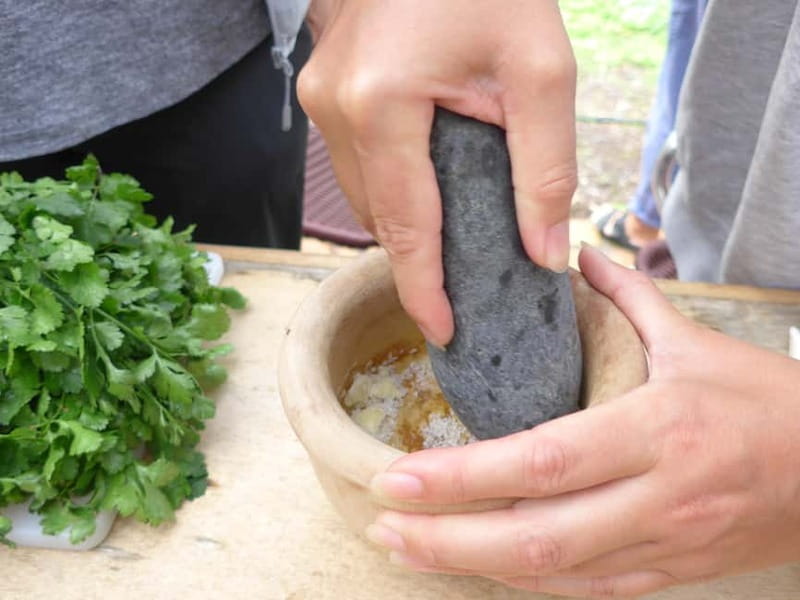
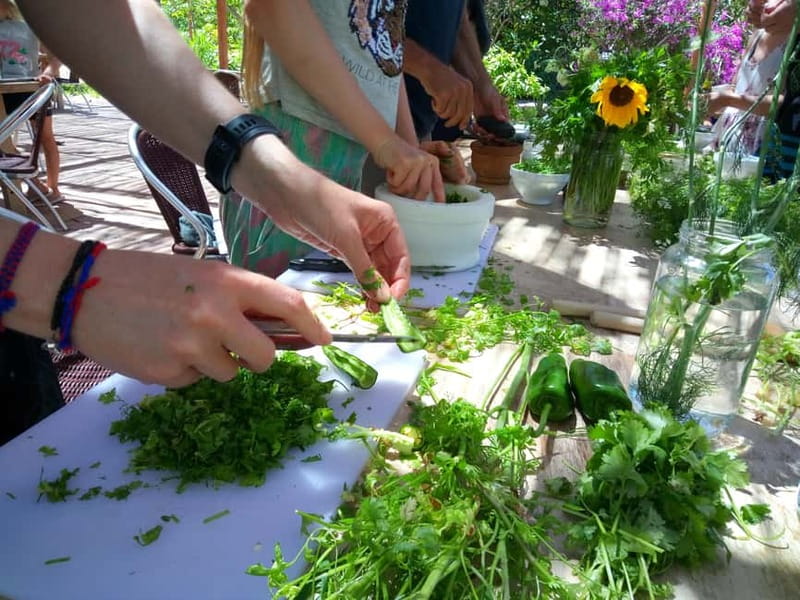
You’ll learn how to make the typical Canarian mojo sauce the traditional way, with a focus on technique. The method described is a mortar and a stone, which is a big deal. This isn’t about pressing a button or following a vague recipe—it’s about the physical process of crushing ingredients and blending flavors until they turn into the right consistency and taste.
That tactile method often changes how you cook at home later. Once you understand that mojo flavor depends on how ingredients are crushed and mixed, you stop treating mojo like a bottled product you drizzle and start treating it like a sauce you build.
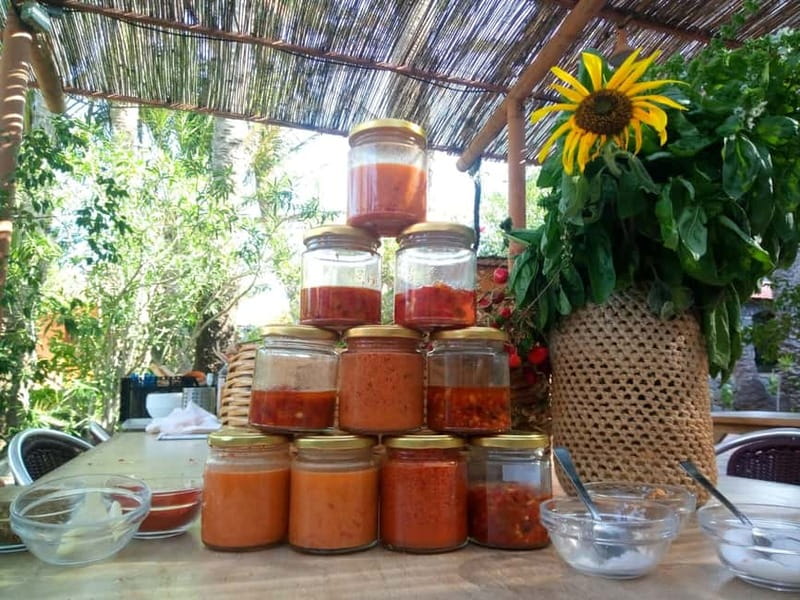
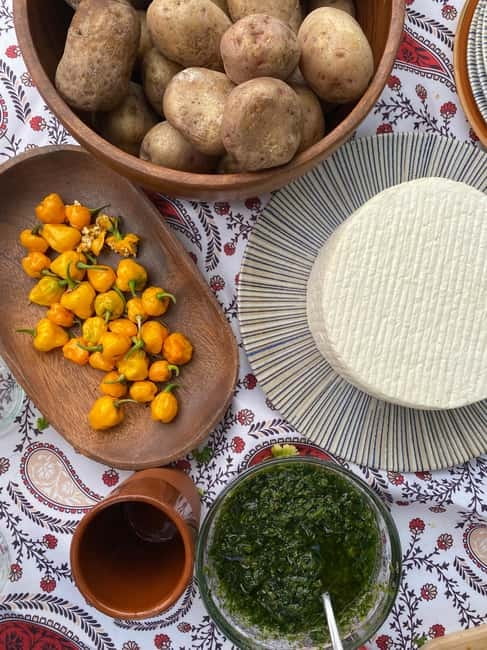
The workshop portion also includes mojo tasting, with the day’s mojo served alongside local potatoes or bread. That pairing matters because mojo is designed to work with simple staples. Potatoes give you something neutral to absorb the sauce, and bread helps you taste without needing a strong baseline seasoning from the plate.
A subtle but important point: you’re not just making one version in isolation. The experience includes tasting another mojo during the session, so you can start spotting differences in flavor and intensity.
Why the Mojo Tasting Part Matters More Than You Think
Tasting is often where language fails. In a workshop like this, you taste in context, and that’s the learning.
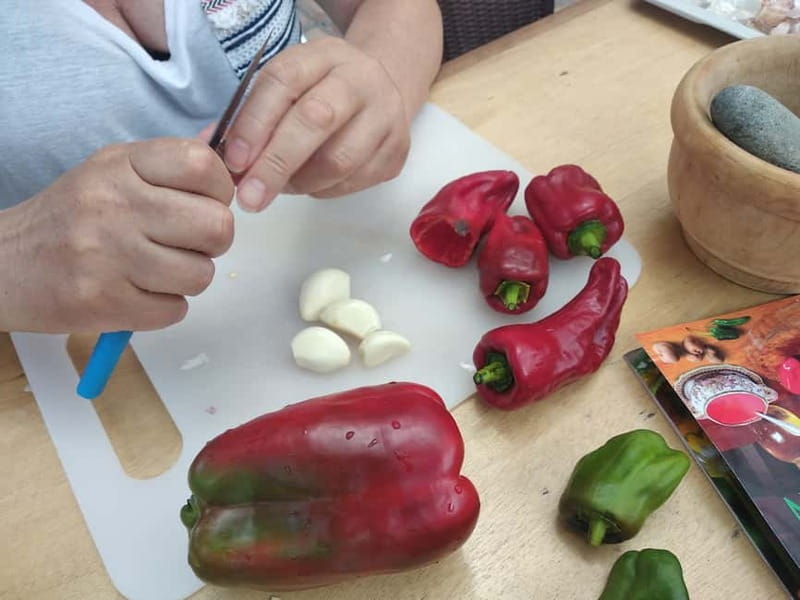
You’ll taste mojo with local potatoes or bread, so you can focus on how the sauce behaves—thick or smooth, sharp or rounded, smoky or bright. Then, because you’ll have also seen and handled key ingredients, your brain links flavor to origin.
This is also where small-group teaching shows its value. When you can ask Zdenka questions while you taste, you’re more likely to understand what to adjust—how much chili, how the herb flavor shows up, or what technique changes from one batch to another.
And from what the experience emphasizes, you’ll taste another mojo as well. That helps you think beyond one recipe and start seeing mojo as a local craft. You’re learning a way of making, not just copying an outcome.
Price and Value: What $74 Gets You in Real Terms
At $74 per person for about 3.5 hours, this isn’t a cheap snack tour. So I judge it on value, not just cost.
Here’s what you’re paying for:
- A small group capped at 4, which usually means more personal attention
- A guide who is both botanist and gardener (Zdenka) with topic depth
- A walk plus field time, not just a kitchen class
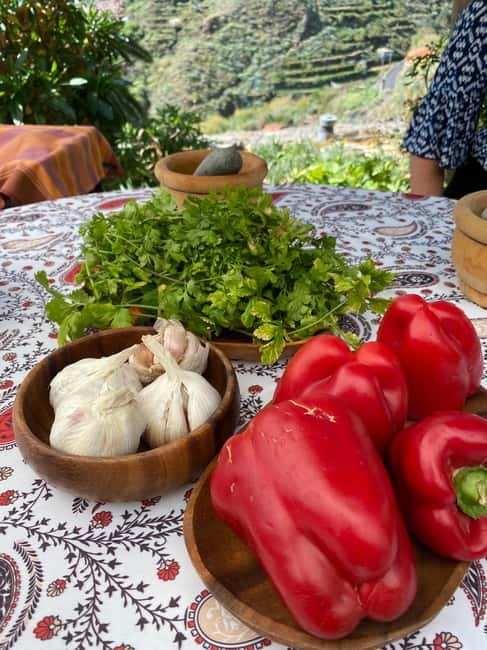
- Hands-on instruction, including planting/harvesting and traditional mortar-and-stone technique
- Mojo tasting with local potatoes or bread
If all you wanted was mojo, you could probably buy it. But if you want to understand why it tastes the way it does, and you want to create that flavor with traditional process, this price starts to make sense. The small group and the teaching role of Zdenka are the two biggest value drivers.
Also, the experience includes the educational walk and the workshop in one package. That reduces the hassle of trying to find separate activities across La Gomera.
Transport to La Laja is not included, so if you’re traveling from elsewhere on the island, factor that in. That’s the one extra variable to watch when calculating total cost.
Who Should Book This Mojo Workshop and Botanical Walk
This experience is a great match if you:
- Love nature and agriculture and want to see them connected to food
- Enjoy hands-on cooking where you get to use traditional tools
- Prefer small groups and asking questions instead of listening from far away
- Want a real introduction to local ingredients like coriander and canary chilies
It’s not a fit if:
- You have low fitness (the walk and field time can be active)
- You’re afraid of heights (this activity is specifically not suitable for that)
If you’re the type who enjoys learning the “why” behind flavors—climate, plants, and cultivation habits—this will land well.
Practical Tips: What to Bring and How to Stay Comfortable
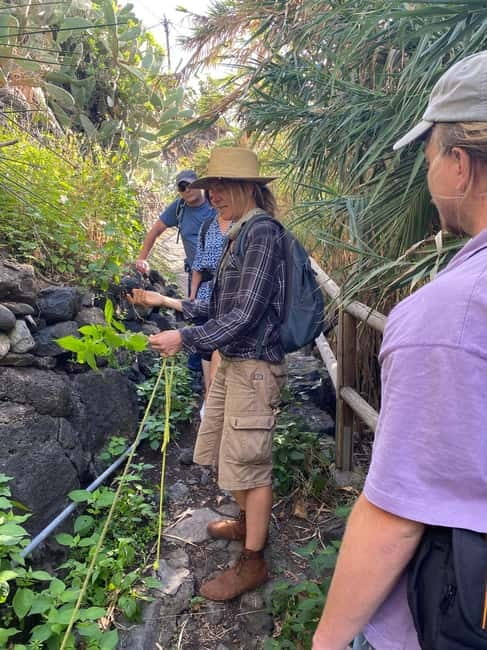
This tour is outdoors-focused, and the info is clear: it can be hot while walking. Plan accordingly.
Bring:
- A sun hat
- Drinks
- Sunscreen
Wear:
- Comfortable shoes for walking and uneven terrain
- Light clothing that you can tolerate in sun
A small strategy: take breaks when you need them during the walk. With only four people, the pace is more flexible than it would be on a big tour bus. You’ll get better teaching if you’re not rushing or struggling through heat.
Should You Book Corazón Verde La Gomera’s Mojo Workshop?
I’d book this if you want a food experience that has actual roots in the landscape and farming rhythm of La Gomera. The biggest strengths are Zdenka’s botanical perspective, the fact that you do field time, and the traditional mortar-and-stone mojo process you get to practice—not just watch.
Skip it if you want an easy, mostly seated outing. It’s active, it’s outdoors, and it’s not suitable for low fitness or for people afraid of heights. Also, since transport isn’t included, make sure you can comfortably get to the meeting point near the Plaza / Centro Social in La Laja.
If you fit the sweet spot—curious about plants, hands-on cooking, small groups—this is the kind of tour that gives you a story you can actually tell later, plus a sauce you’ll understand how to recreate.
FAQ
Where does the experience start?
It starts at the bus stop in La Laja central, next to the Plaza / Centro social.
How long is the rural life mojo experience?
The duration is listed as 3.5 hours.
How many people are in a group?
The group is limited to 4 participants, so it stays small.
Who leads the walk and workshop?
The instructor/guides include Zdenka, who is described as a gardener and botanist. The activity lists languages including German, Czech, English, and Spanish.
Is transport to La Laja included?
No. Transport to La Laja is not included.
What’s included in the price?
Included items are the guided walk to see traditional agriculture in La Laja, explanations by a botanist and gardener, a workshop on how to make typical mojo the traditional way, and mojo tasting.
What will I taste during the session?
You’ll taste mojo, and it’s described as being served with local potatoes or bread. You also have the opportunity to taste another mojo.
What ingredients do you learn about in the fields?
You’ll learn how to plant coriander and canary chilies, and you’ll have the chance to harvest the ingredients.
What should I bring?
Bring a sun hat, drinks, and sunscreen.
Is it suitable for everyone?
It’s not suitable for people afraid of heights or people with low level of fitness. Also, it can get hot while walking.
More Tour Reviews in Tenerife
- Siam Park Entry Tickets
★ 4.5 · 15,710 reviews - Tenerife: Eco-Yacht Whale and Dolphin Watching and Swimming
★ 4.7 · 15,619 reviews - Los Cristianos Respectful No-Chase Whale and Dolphin Safari
★ 4.6 · 12,782 reviews - Tenerife: Loro Parque Entry Ticket
★ 4.8 · 12,411 reviews - Loro Parque and Siam Park Combined Admission Tickets
★ 4.7 · 7,307 reviews
More Shoots & Workshops
- Mojo Workshop Cooking Class in Ancient Canarian Village
★ 4.9 · 127 reviews - Bodegas Monje Winery Ticket w/Wine Tasting & Mojo Sauce Workshop
★ 5.0 · 60 reviews - El Sauzal: Winery Tour and Mojo Sauce Workshop
★ 4.7 · 50 reviews - Mermaid Experience and Photo Shooting including make up
★ 5.0 · 49 reviews - Tenerife: Professional Photo Shoot with 50 Photos
★ 4.9 · 19 reviews
More Food & Tapas
- Tenerife: Finca Las Margaritas Banana Plantation Experience
★ 4.7 · 1,442 reviews - La Orotava: Eco Banana Plantation Tour with Banana Liquor
★ 4.7 · 863 reviews - Tacoronte: Guided Winery Tour with Wine and Cheese Tastings
★ 4.6 · 481 reviews - Los Gigantes: Sailing Excursion with Swimming, Drink & Tapas
★ 4.8 · 471 reviews - Tenerife: Volcano Teide Buggy Tour with Wine Tasting & Tapas
★ 4.8 · 279 reviews
Just Added: Fresh Tenerife Reviews





Food & Tapas Tours, compared.
 ★ 4.7Finca Las Margaritas Banana Plantation ExperienceFrom $111,442 reviews
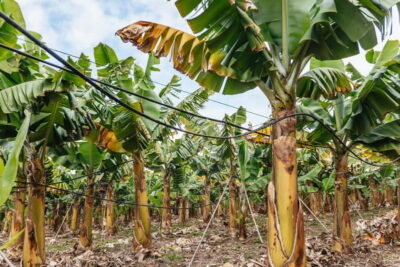 ★ 4.7La Orotava: Eco Banana Plantation Tour with Banana LiquorFrom $23863 reviews
 ★ 4.6Tacoronte: Guided Winery Tour with Wine and Cheese TastingsFrom $41481 reviews
 ★ 4.8Los Gigantes: Sailing Excursion with Swimming, Drink & TapasFrom $82471 reviews
 ★ 4.8Volcano Teide Buggy Tour with Wine Tasting & TapasFrom $247279 reviews
 ★ 4.4Full-Day Gastronomy and Wine TourFrom $97196 reviews
 ★ 5.0Eco banana farm TourFrom $24140 reviews
 ★ 4.8Shared Yacht Cruise with Champagne and TapasFrom $100135 reviews
Browse the lists this tour appears in