
Reviewed · PUERTO DE LA CRUZ TOURS
Icod de los Vinos: Casa del Plátano Entry Ticket
Bananas have a proper backstory in Tenerife. A ticket to Casa del Plátano turns a simple stroll into a focused look at how the Canary Islands’ main crop shaped daily life and the island’s economy. I like that it mixes old hacienda architecture with practical, hands-on learning, and you get a real sense of what banana growing looks like from the field. The only real catch is that it’s self-guided, so you’ll rely on the on-site English/Spanish explanation panels rather than a live guide.
What I love most is that the experience is built around banana characteristics and history in Tenerife, not just a photo stop. You’ll walk through the historic Casa del Plátano grounds at your own speed, then continue to an authentic banana plantation where you can spot how plants progress through growing and ripening stages. One drawback to consider: there’s no mention of French-language help, so if you need French interpretation, you may want to bring a translation app.
For about $5 per person with a 1-day time window, this is one of those low-pressure visits that fits easily into a day around Icod de los Vinos. And yes, the included snack helps—your ticket includes a Canarian banana, so you can connect what you just learned with what you taste.
In This Review
- Key highlights to know before you go
- Casa del Plátano in Icod de los Vinos: what you’re really stepping into
- Entering the grounds: self-guided format and English/Spanish panels
- The historic hacienda side: banana history, framed by architecture
- The plantation tour: what you’ll see in growing stages
- Varieties and the banana you get to eat
- The on-site shop: local gourmet products (what’s included and what isn’t)
- Price and timing: why $5 can still feel like real value
- Who this experience is best for (and who might skip it)
- Should you book Casa del Plátano? My recommendation
- FAQ
- How much does the Casa del Plátano ticket cost?
- How long is the visit?
- Is the visit guided?
- What’s included with the ticket?
- What time is the last entry?
- Can I buy banana products on site?
Key highlights to know before you go
- Self-guided visit through Casa del Plátano with on-site explanation panels in English and Spanish
- Old hacienda architecture in the heart of Icod de los Vinos
- Authentic banana plantation tour showing plants in different growing stages
- Multiple banana varieties and the story behind the fruit’s place in Tenerife
- On-site shop for Canarian banana products (purchases cost extra)
- Included Canarian banana, making it more than just a museum-style stop
More landmarks and tickets to book ahead
- Tenerife: Loro Parque Entry Ticket★ 4.8 · 12,411 reviews
- Loro Parque and Siam Park Combined Admission Tickets★ 4.7 · 7,307 reviews
- Arona: Entry Ticket to Tenerife’s Jungle Park Zoo★ 4.5 · 1,020 reviews
- Tenerife: Siam Park All-Inclusive Entry Ticket★ 4.7 · 915 reviews
Casa del Plátano in Icod de los Vinos: what you’re really stepping into
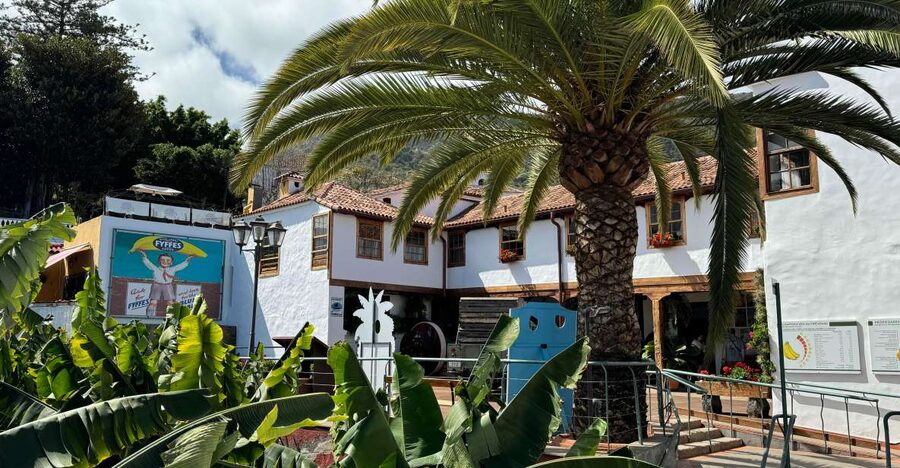
Casa del Plátano is housed in an older hacienda-style building, and that matters more than you might expect. Instead of treating bananas like a modern attraction, the site frames them as part of island life—something grown, worked, traded, and eaten. The setting in Icod de los Vinos helps too: you’re not stuck in a generic visitor center. You’re in a historic village, and the architecture gives context while you read.
The ticket is straightforward. You’re paying for entry to Casa del Plátano, plus a Canarian banana included with the experience. That keeps the visit from feeling like a museum you have to “upgrade” with purchases to make it worthwhile.
If you like practical learning—how things are grown, how crops progress—this fits your style. If you’re looking for a long guided tour with narration and Q&A, you might find the self-guided format less satisfying. But if you enjoy moving at your own pace and reading at breaks, it’s a good match.
Entering the grounds: self-guided format and English/Spanish panels
The biggest logistical detail is also the heart of the experience: it’s a self-guided visit. There’s no long checklist of stops you have to hit in a strict order. You explore the Casa del Plátano grounds, then move to the plantation area, using the on-site explanation panels for context.
The panels are available in English and Spanish, and that’s the information you’ll lean on throughout. Translation apps can help if you’re outside those languages, but the key point is: you’re in charge of pacing. You can spend extra time reading the history section, then skim the plant-growth sections, or do the reverse.
One small thing to plan for: the site has a clear cutoff—last entry is at 18H30. So if you’re traveling in summer when days run long, you still need to time your arrival so you don’t get shut out of the final entry window.
The historic hacienda side: banana history, framed by architecture
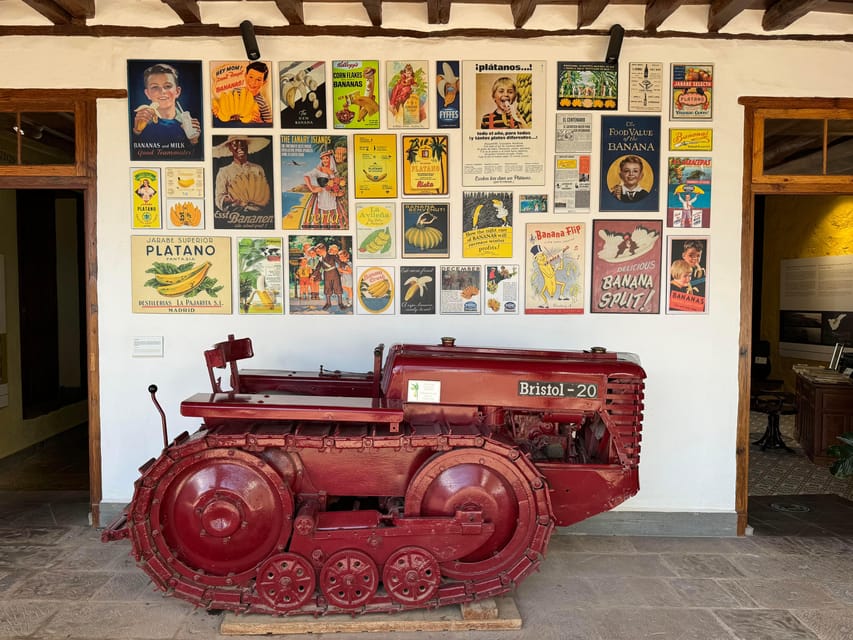
This visit works because it connects three layers: the story of bananas, the place where that story happened, and the work of growing the crop. The first layer is historical and educational. You’ll learn about the history of the banana in Tenerife and its role as the main crop of the Canary Islands.
The second layer is the setting. Casa del Plátano’s architecture isn’t just decoration. In a place like this, old construction signals agricultural wealth and the long-term importance of the plantation economy. You’re walking around an old hacienda, so the story feels grounded rather than abstract.
And then there’s the third layer: the real plants. That shift—from reading about bananas to seeing them growing—makes the experience stick. It turns the history into something you can picture with your own eyes. That connection is why this works well for kids and adults alike: you’re not only learning; you’re also visualizing.
If you’re the type who likes learning through contrasts, you’ll probably enjoy the sequence. You start with the human story and physical architecture, then get to the living part of the story in the plantation tour.
The plantation tour: what you’ll see in growing stages
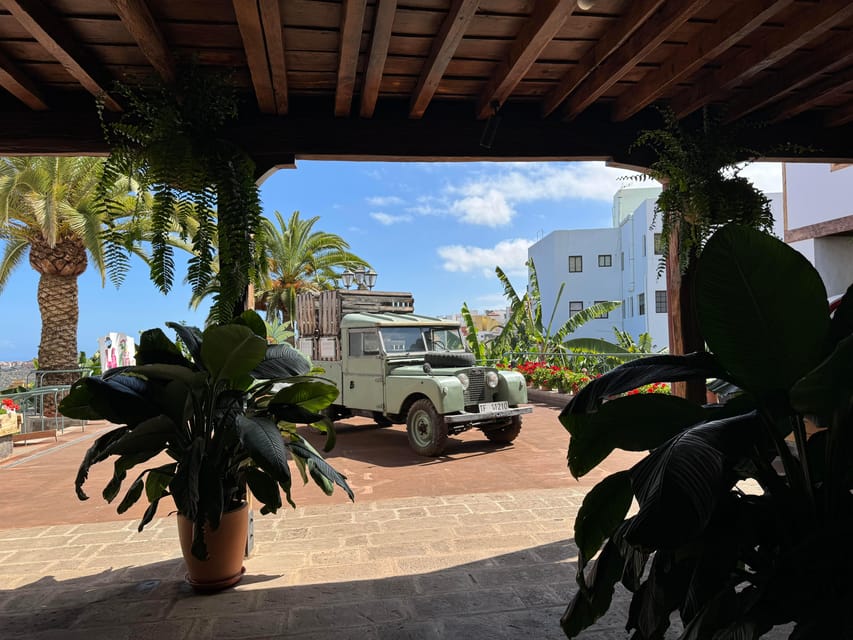
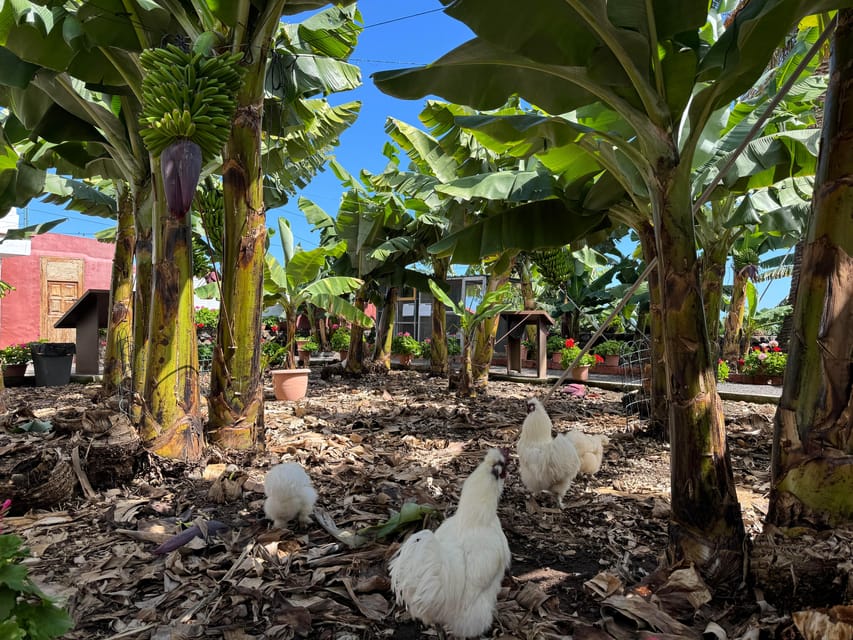
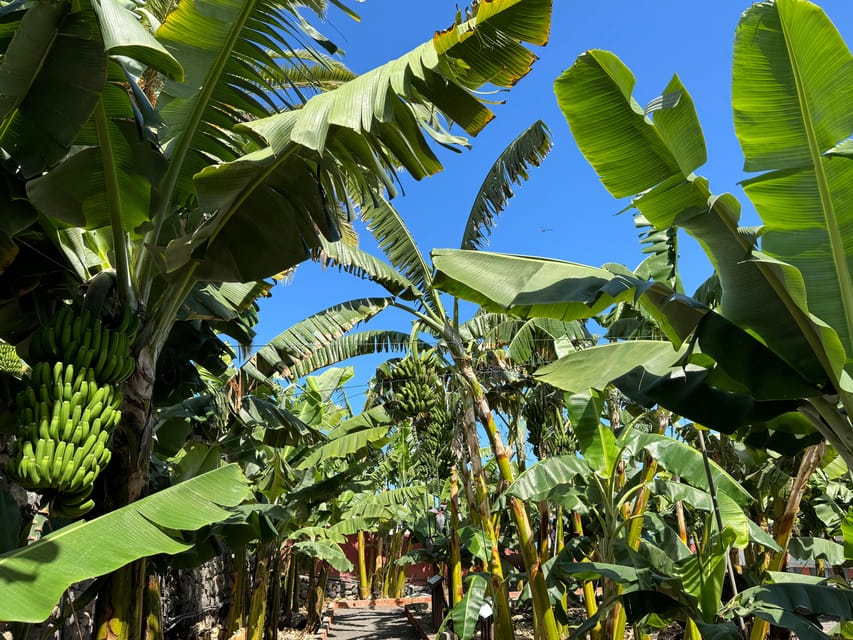
The plantation component is the practical core. The ticket includes a tour of an authentic banana plantation, and the learning focus is the characteristics of bananas and how they’re grown in Tenerife.
What you should look for as you walk: the site is set up so you can see banana plants at different stages—from earlier development toward ripening. This isn’t about standing near one photo-perfect display. It’s about observing how the plants change as time moves forward.
In reviews, people specifically highlight the sense of watching bananas through their formation and maturation phases. That’s exactly the learning goal: not just what bananas look like, but how the growing process works.
Here’s a tip for getting more out of a self-guided plantation walk: don’t rush through the reading panels. Pause, connect the panel to what you’re seeing in front of you, then keep moving. That way, the stages you spot feel like part of a process rather than disconnected facts.
Other days out in the green north
Varieties and the banana you get to eat
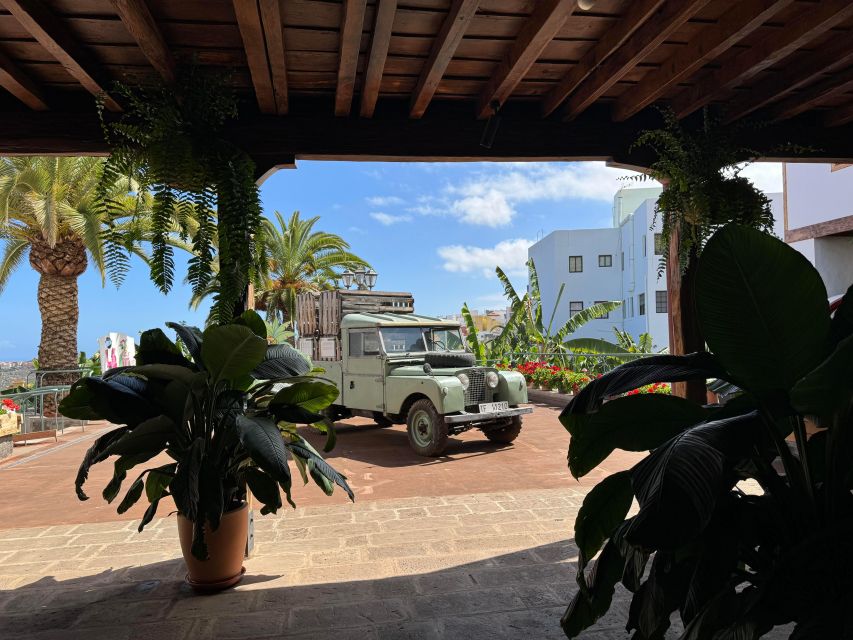
One of the small but smart touches here is that you don’t leave empty-handed. Your entry includes a Canarian banana, and you get it while you’re on-site. That’s a practical advantage: you taste what you just learned about, right when the details are still fresh.
You’ll also see different banana varieties during the visit. Seeing multiple types helps you understand why bananas aren’t all the same. It reinforces the educational side of the experience, since varieties often connect to growing conditions, crop selection, and local preferences.
If you care about food travel (even just a little), this makes it easier to remember what you saw. You’re not just learning; you’re also adding a direct local flavor to your day.
The on-site shop: local gourmet products (what’s included and what isn’t)
There’s a store on site where you can purchase local gourmet products made with bananas from the Canary Islands. This is where the experience can either stay simple or become a shopping stop, depending on what you like.
One key detail: purchases at the shop are not included in the ticket price. That’s a positive in a way—your €/$ value is built into the entry and the included banana snack, not into mandatory extras.
If you’re trying to decide whether to buy, use a quick rule:
- If you’re buying for tasting later, pick a small number of items so you don’t overdo it on a short trip.
- If you’re traveling by hand luggage, check whether items are solid and easy to pack before you commit.
Even if you don’t buy anything, the shop is still useful. It helps translate the crop into daily life: banana products turn a farm story into something you can bring home.
Price and timing: why $5 can still feel like real value
At about $5 per person for a 1-day visit, the value mainly comes from the combination of three things: history, plantation learning, and an included banana. Many low-cost attractions focus on only one of those. Here, you get the “why,” the “where,” and the “how,” without needing a big budget or a full half-day tour.
The self-guided format also helps value. You’re not paying for a long guided schedule; you’re paying for access to a learning space. That makes it easier to fit into a travel day when you don’t want rigid timing.
Timing matters because of the last entry at 18H30. If you arrive early enough, you can spread out your reading and plantation walk without feeling rushed. If you arrive late, you’ll still get the core experience, but you may have less time to linger.
Who this experience is best for (and who might skip it)
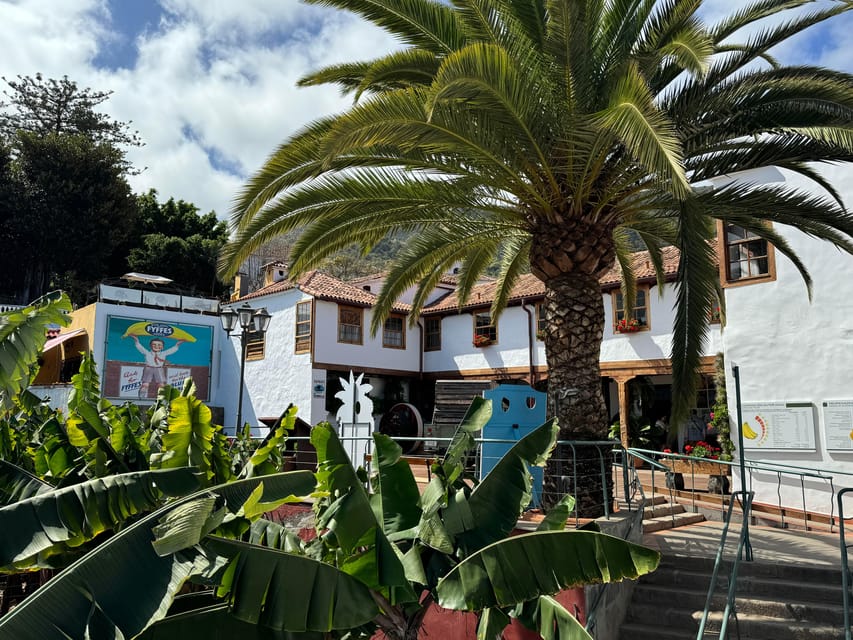
This is a strong choice for:
- Families with kids, because it’s easy to follow, visually interesting, and includes a banana to eat on site
- Food-minded travelers who enjoy learning where ingredients come from
- People who like self-paced learning using clear on-site panels
- Anyone visiting Icod de los Vinos who wants something more meaningful than a quick viewpoint stop
It may be less ideal if:
- You specifically want a guided tour in your language other than English or Spanish (panels are the listed language support)
- You dislike reading panels and prefer spoken narration
- You’re looking for a long, itinerary-heavy program. This is more of an organized walk-and-learn experience than a full-day structured tour.
Should you book Casa del Plátano? My recommendation
Book it if you want a compact, low-stress way to understand why Tenerife bananas matter. For $5, you’re getting entry to a historic hacienda setting, a plantation tour focused on how bananas grow, plus a Canarian banana included so the experience ends with something you can taste.
Skip it only if your travel style needs live guiding, or if you’re traveling with language needs beyond English and Spanish and you don’t want to use tools to bridge the gap.
If you’re already spending time in Icod de los Vinos, this is the kind of stop that makes your day feel smarter without making it harder.
FAQ
How much does the Casa del Plátano ticket cost?
The entry ticket is priced at about $5 per person.
How long is the visit?
The experience is valid for 1 day. You can explore at your own pace during your entry time.
Is the visit guided?
No. It’s a self-guided visit with explanation panels in English and Spanish.
What’s included with the ticket?
Your ticket includes entry to Casa del Plátano and a Canarian banana.
What time is the last entry?
Last entry is at 18H30.
Can I buy banana products on site?
Yes. There is a shop where you can purchase Canarian banana gourmet products, but purchases are not included in the ticket price.
More Tour Reviews in Tenerife
- Siam Park Entry Tickets
★ 4.5 · 15,710 reviews - Tenerife: Eco-Yacht Whale and Dolphin Watching and Swimming
★ 4.7 · 15,619 reviews - Los Cristianos Respectful No-Chase Whale and Dolphin Safari
★ 4.6 · 12,782 reviews - Tenerife: Loro Parque Entry Ticket
★ 4.8 · 12,411 reviews - Loro Parque and Siam Park Combined Admission Tickets
★ 4.7 · 7,307 reviews
More in the Green North
- Tenerife: Mount Teide, Masca, Icod and Garachico Day Trip
★ 4.5 · 2,065 reviews - La Orotava: Eco Banana Plantation Tour with Banana Liquor
★ 4.7 · 863 reviews - Icod de los Vinos: Dragon Tree & Botanical Garden Ticket
★ 4.5 · 761 reviews - From Puerto de la Cruz: Teide and Masca VIP Tour
★ 4.7 · 706 reviews - Tenerife: Teide, Icod de los Vinos & Garachico Full Day Tour
★ 4.3 · 602 reviews
More Museums & Landmarks
- Tenerife: Loro Parque Entry Ticket
★ 4.8 · 12,411 reviews - Loro Parque and Siam Park Combined Admission Tickets
★ 4.7 · 7,307 reviews - Arona: Entry Ticket to Tenerife’s Jungle Park Zoo
★ 4.5 · 1,020 reviews - Tenerife: Siam Park All-Inclusive Entry Ticket
★ 4.7 · 915 reviews - Tenerife: Loro Parque & Siam Park Entry Ticket with Transfer
★ 4.6 · 732 reviews
Just Added: Fresh Tenerife Reviews





Puerto de la Cruz Tours, compared.
 ★ 4.5Mount Teide, Masca, Icod and Garachico Day TripFrom $652,065 reviews
 ★ 4.7La Orotava: Eco Banana Plantation Tour with Banana LiquorFrom $23863 reviews
 ★ 4.5Icod de los Vinos: Dragon Tree & Botanical Garden TicketFrom $5761 reviews
 ★ 4.7From Puerto de la Cruz: Teide and Masca VIP TourFrom $99706 reviews
 ★ 4.3Teide, Icod de los Vinos & Garachico Full Day TourFrom $45602 reviews
 ★ 4.6Puerto de la Cruz: Flamenco Show at Casa Ábaco with a DrinkFrom $34546 reviews
 ★ 4.9Puerto de la Cruz: Quad Tour to Teide or Off-Road AdventureFrom $94502 reviews
 ★ 5.0Paragliding from Puerto de la Cruz or Teide National parkFrom $165274 reviews
Browse the lists this tour appears in