
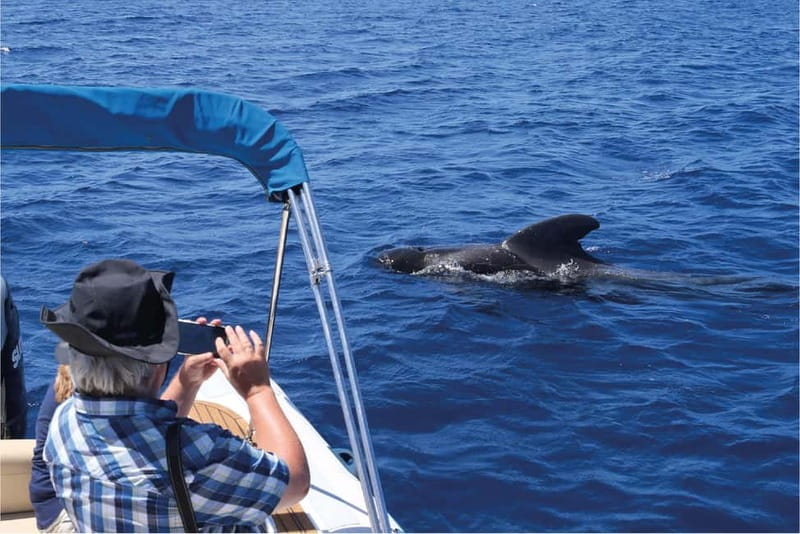
Reviewed · WHALE & DOLPHIN WATCHING
Costa Adeje: Whale Watching Eco Experience with Hydrophone.
Wild sounds, quiet engines, real wildlife.
This 2.5-hour trip from Costa Adeje pairs close, responsible sightings with an on-board biologist who explains what you’re seeing and why it matters. I especially like the hydrophone part, because you’re not just looking—you’re listening to how whales and dolphins communicate and hunt in their own world. The other thing I love is the small scale: a maximum of ten passengers on the boat.
The main thing to consider is that a boat outing means wind and sea conditions can affect comfort, so it helps to dress for it. Still, the way they run the experience—safe distance and motors off during sightings—makes the trade-off feel worthwhile.
In This Review
- Key Highlights You’ll Actually Care About
- What Costa Adeje Adds to a Whale Watching Trip
- The Boat: Papacho 2, Ten Passengers, and a Biologist on Board
- What a 2.5-Hour Experience Feels Like (and How You Should Prepare)
- The Rules of the Game: Safe Distance, No Interference, and Motors Off
- Hydrophone 101: Listening to Whales and Dolphins Underwater
- What You’ll Actually See: Cetaceans, Turtles, and Seabirds
- Conservation in Action: Participation in Rescue and Scientific Projects
- Personal Attention on a Small Crew: Why Ten Passengers Changes Everything
- The Best Time to Go: How to Match This Tour to Your Day
- Value for Money: What Makes This Worth It (Even If You Don’t Get Every Species)
- Who This Trip Is Best For
- Should You Book Atlantic Eco Experience in Costa Adeje?
- FAQ
- Where is this whale watching experience?
- How long is the tour?
- How big is the group?
- What boat do they use?
- Is there a guide, and what languages are offered?
- Do they use a hydrophone?
- What animals can you encounter on the tour?
- Is the trip focused on sustainability and animal care?
- What should I bring?
Key Highlights You’ll Actually Care About
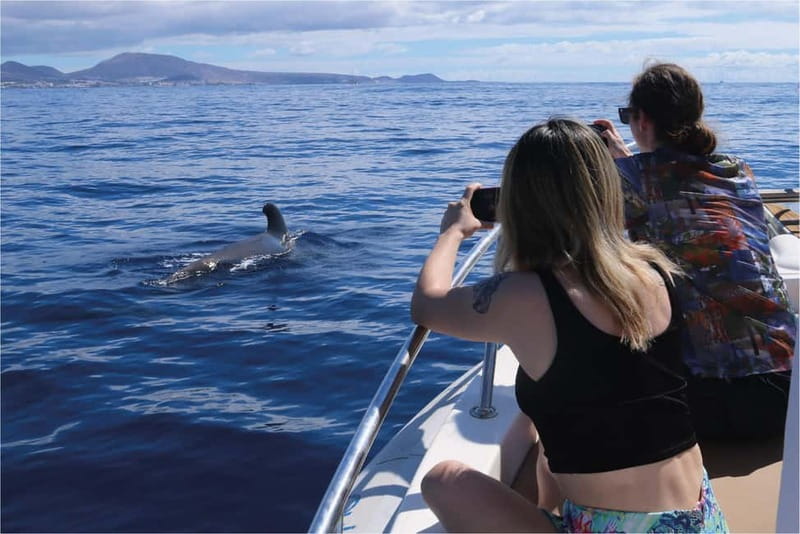
- Europe’s only whale sanctuary: you’re operating in a protected area designed to keep wildlife behavior undisturbed
- Hydrophone listening: you can hear cetacean sounds rather than relying only on spotting
- Small crew setup: a maximum of ten passengers for more attention during the trip
- Motors off during sightings: quieter water for safer, less disruptive watching
- On-board biologist talk: a practical explanation of fauna and conservation keys while you’re still out there
- Rescue and rehabilitation involvement: the operators participate in helping injured animals in their natural habitat
Other boats heading out for whales and dolphins
- Tenerife: Eco-Yacht Whale and Dolphin Watching and Swimming★ 4.7 · 15,619 reviews
- Los Cristianos Respectful No-Chase Whale and Dolphin Safari★ 4.6 · 12,782 reviews
- Costa Adeje: Whale & Dolphin Eco-Cruise with Snacks & Drinks★ 4.6 · 5,096 reviews
- Los Gigantes: Dolphin & Whale Watching Cruise with Swim Stop★ 4.7 · 4,539 reviews
What Costa Adeje Adds to a Whale Watching Trip
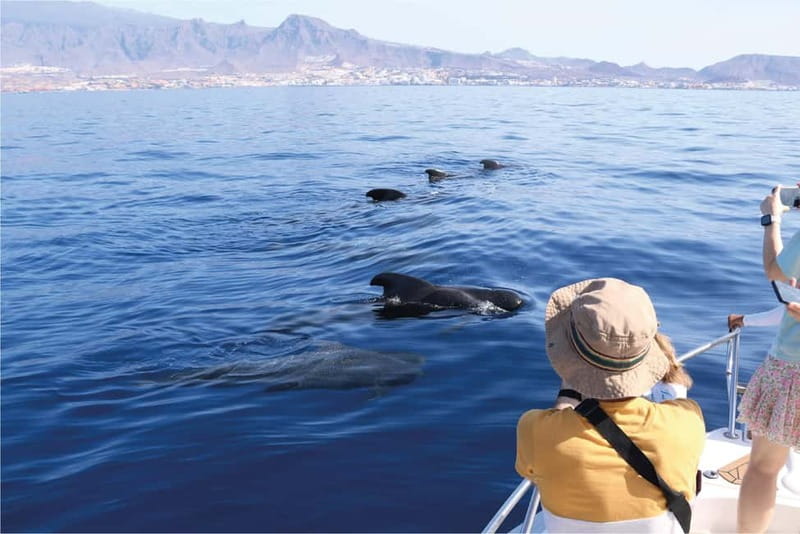
Costa Adeje sits on the south coast of Tenerife, and this tour is built around that location for a reason: you’re in the only whale sanctuary in Europe. That protected framework matters because it shapes behavior at sea—how boats approach, how close you can responsibly be, and how wildlife space is prioritized.
On your outing, you’re not just hoping for sightings. You’re joining a conservation-minded program that treats the ocean like a home, not a stage. That changes the whole vibe of the trip.
The Boat: Papacho 2, Ten Passengers, and a Biologist on Board
You meet at the agreed time and head out on the boat Papacho 2, which holds a maximum of ten passengers. That size is a big deal in whale watching because it reduces noise, crowding, and the chaotic push-and-shove that can happen on larger boats.
Once you’re aboard, the biologist on board explains the fauna you can find and the keys to conservation. This isn’t just a lecture for the shoreline—it’s timed for what you’re seeing (and what you might not be seeing clearly from far away). You’ll also get drinks on board, which is a simple but welcome comfort on a time-limited trip.
Language options are English and Spanish for the live guide. If you want your questions answered in real time, this is a setup that supports that.
What a 2.5-Hour Experience Feels Like (and How You Should Prepare)
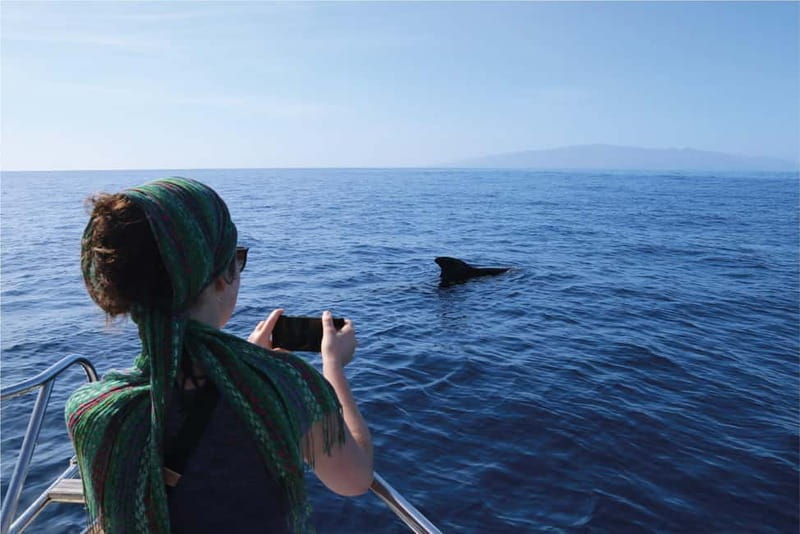
At 2.5 hours, you’ll be out long enough for multiple searches and approaches, but short enough that you’re unlikely to get stuck in one location for the whole day. The tour is designed to stay flexible as sightings happen, and that’s exactly what you want when cetaceans decide when they want to show up.
For what to bring, stick to the essentials: sunglasses, sun hat, and sunscreen. I’d also recommend wearing layers you can adjust because coastal weather can shift. With engines sometimes turned off and sea conditions varying, comfort comes from dressing smart, not from hoping for perfect weather.
The Rules of the Game: Safe Distance, No Interference, and Motors Off
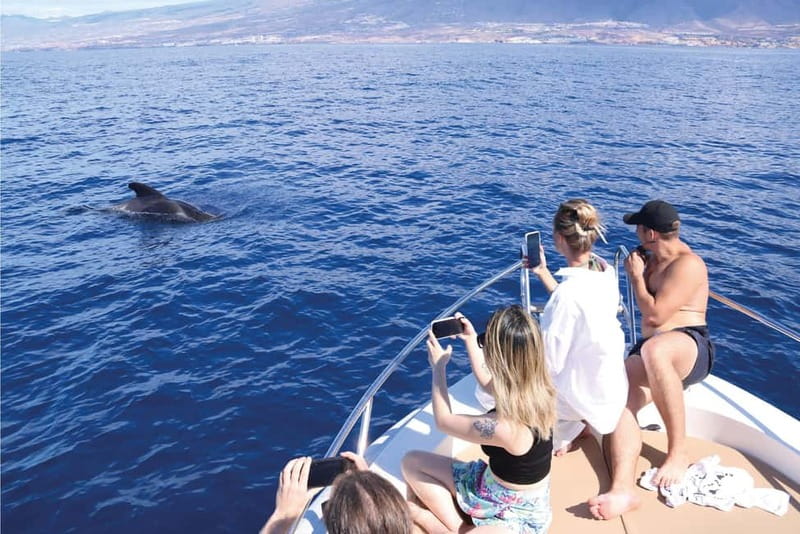
This is where the tour shows its real values. During sightings, the crew approaches different groups of cetaceans, turtles, and seabirds while respecting animal space and not interfering with natural behavior. That’s not a small detail—it’s the difference between animal-friendly watching and the kind that can stress wildlife.
Even more important: during the sighting, they completely turn off the boat’s engines. That helps reduce noise and disturbance, and it also creates better listening conditions for the hydrophone. It’s a practical eco choice that improves both your experience and the animals’ comfort.
Other things to do around Costa Adeje


Hydrophone 101: Listening to Whales and Dolphins Underwater
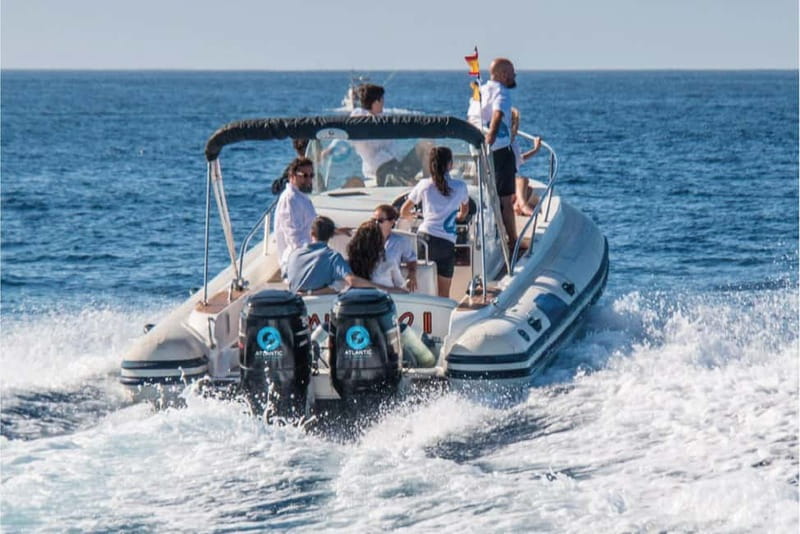
One of the most distinctive parts is active cetacean listening using a hydrophone. Instead of treating marine life like a visual-only show, you get to hear communication and hunting sounds in the animals’ environment.
This matters because whales and dolphins can be hard to track with the naked eye, especially when they’re surfacing briefly or moving in ways that make sightlines tricky. With the hydrophone, you’re not totally dependent on spotting a blow. You can interpret behavior and presence through sound.
You can think of it like adding a second “sense track” to your trip. When you match what you’re hearing with what you’re seeing, the whole encounter tends to click faster.
What You’ll Actually See: Cetaceans, Turtles, and Seabirds
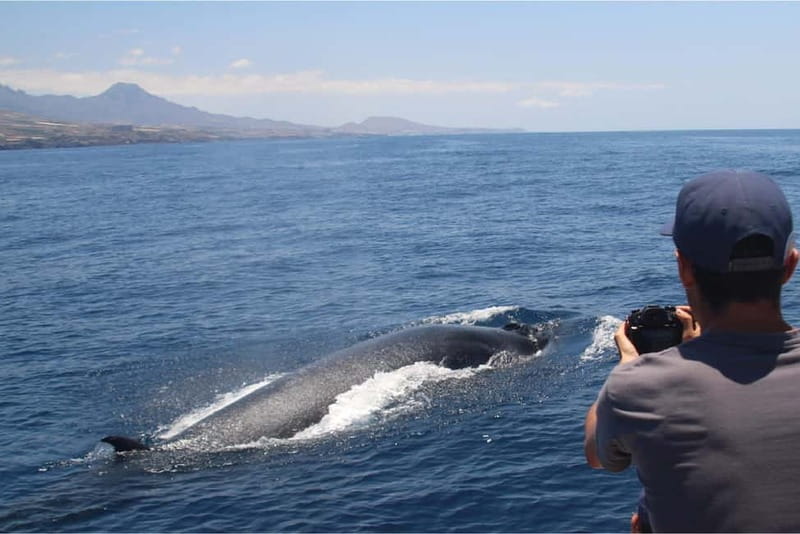
The tour doesn’t promise one species only. It’s structured to approach different groups of marine wildlife—cetaceans, turtles, and seabirds—while staying respectful and non-intrusive.
In particular, the pilot whales show up as a strong highlight. The experience is also tied to scientific work that includes photo-identification of pilot whales in the Canary Islands, which hints at why this species is commonly part of their field focus. Whether you get lots of pilot whales or a mix of sightings, the guiding approach stays consistent: quiet boat behavior, safe distance, and interpretation from the biologist.
If you’re traveling with kids, the watching style is generally friendly because it’s small-group and structured around explanation. One small caution: young kids may get restless during quiet engine-off periods, so bring patience and some snacks if that’s your family style.
Conservation in Action: Participation in Rescue and Scientific Projects
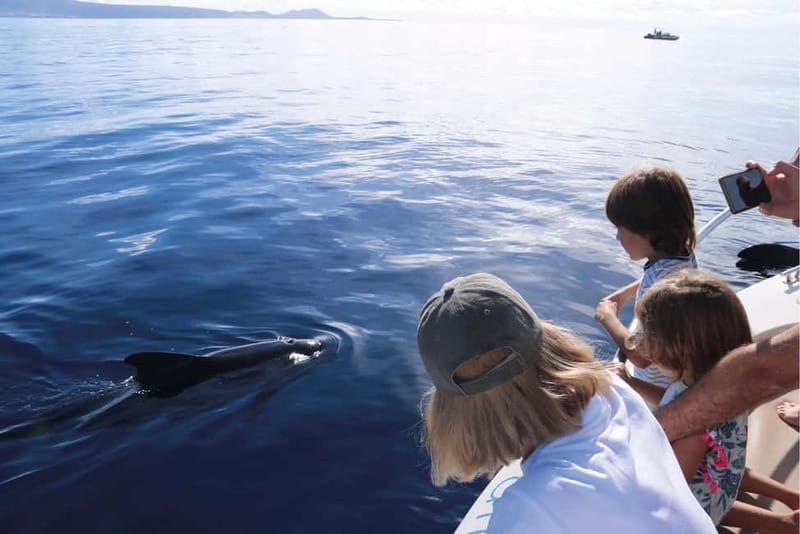
This is not a tour that treats conservation as a slogan. The operators participate in the rescue of injured animals in their natural habitat, and they also engage with scientific work through the photo-identification catalog of pilot whales.
That kind of involvement is valuable to you as a traveler because it changes how the crew likely thinks during the trip. When a team is connected to real-world monitoring and animal care, they tend to run the boat with stricter discipline: fewer unnecessary moves, more patience, and more focus on what the animals are doing.
Also, the company is part of ACEST (Association of Companies for the Sustainability of Tourism). That membership matters less as a badge and more as a reminder that they’ve aligned their practices with sustainability expectations.
Personal Attention on a Small Crew: Why Ten Passengers Changes Everything
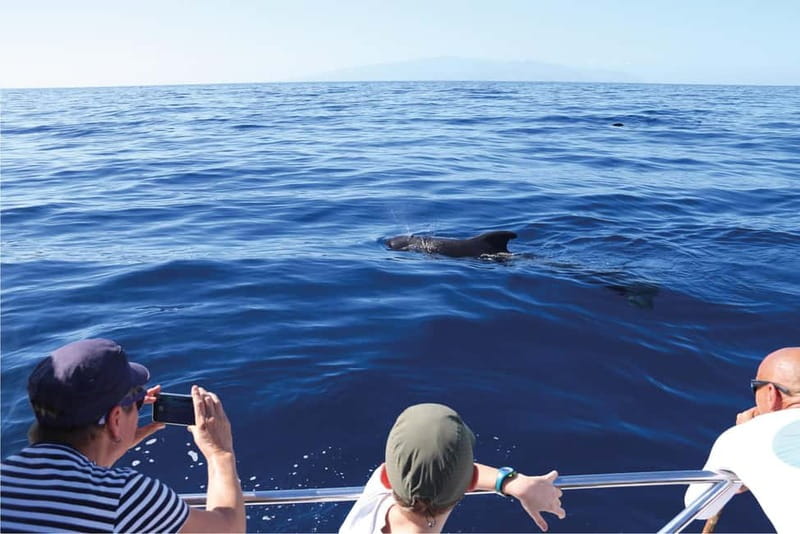
A maximum of ten passengers sounds like a marketing line—until you’re on the water and it affects everything. On a smaller boat, you get better sight angles, less crowding at the rails, and more chance to hear the biologist’s explanations without straining.
This is where the hydrophone and interpretation combo becomes more effective. You’re not one voice in a packed cabin; you’re part of a group that can actually follow what’s happening, why it’s happening, and what sounds or behaviors might mean.
Based on strong guest feedback, the crew tends to be friendly and experienced, which is exactly what you want in a science-forward tour. It keeps things grounded: serious about wildlife, not serious in a boring way.
The Best Time to Go: How to Match This Tour to Your Day
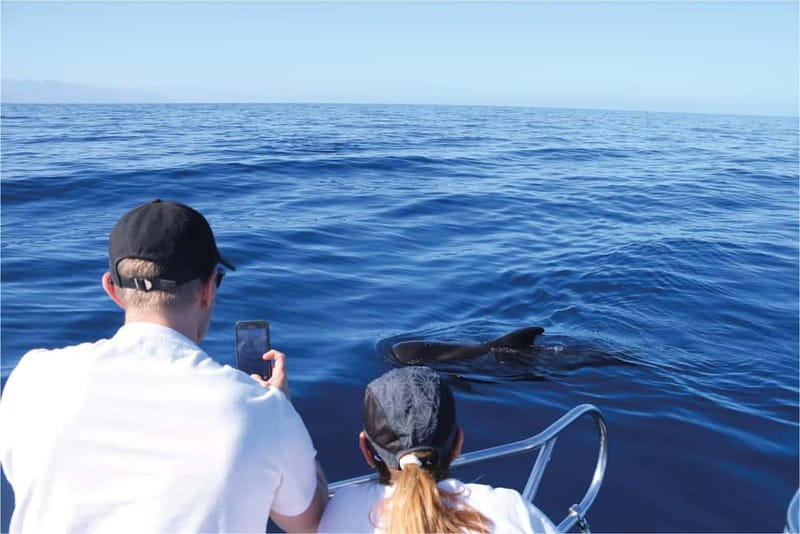
Your duration is fixed at 2.5 hours, but starting times vary by availability. The best approach is to pick a time that makes sense for weather and your overall Tenerife plan.
If you’re choosing between morning and afternoon, consider this: whale and dolphin activity can happen at different times, but what matters more for your comfort is wind, glare, and sea state. Choose the time that feels most relaxed for you, then let the sanctuary area and the crew’s search plan do the rest.
Value for Money: What Makes This Worth It (Even If You Don’t Get Every Species)
You’re paying for more than a boat ride. The value is in the combination:
- Small group size (max ten)
- Biologist-led explanation
- Hydrophone listening for non-visual cues
- Motors off during sightings
- A sanctuary-based operating area with conservation-focused rules
- Real involvement in rescue and scientific documentation
Those pieces work together. If you only had visual spotting, you’d be at the mercy of luck and distance. If you only had lectures, you’d lose the sensory payoff. Here, the listening, quiet boat behavior, and close attention create a more complete experience.
And yes, you still want good animal luck. But the tour is structured to maximize what you can learn and notice, even when the ocean refuses to cooperate.
Who This Trip Is Best For
This works well if you want an eco-minded, education-forward whale watching experience that doesn’t treat wildlife like a theme-park exhibit. You’ll probably enjoy it most if you like:
- science explanations you can connect to real behavior
- hearing cetaceans with a hydrophone
- small-group attention and a calmer boat atmosphere
- wildlife respect: safe distance and no interference
It also makes sense for families with kids who can handle being out on the water for a couple hours. The small size helps keep the experience manageable.
Should You Book Atlantic Eco Experience in Costa Adeje?
If your priority is wildlife watching with restraint—motors off, safe distances, and hydrophone listening—then yes, you should seriously consider booking. This is one of the more thoughtful ways to experience Tenerife’s whale sanctuary, especially because the trip is paired with interpretation from a biologist and tied to ongoing conservation and research activity.
If you hate any chance of being on open water when it’s choppy, take that into account. Otherwise, the structure and the sanctuary context make it a strong pick.
FAQ
Where is this whale watching experience?
It takes place on the south coast of Tenerife in Costa Adeje, within the only whale sanctuary in Europe.
How long is the tour?
The experience lasts 2.5 hours.
How big is the group?
The group is small and limited to a maximum of ten participants.
What boat do they use?
They depart on the boat Papacho 2.
Is there a guide, and what languages are offered?
Yes. There is a live tour guide in English and Spanish, and a biologist is on board to explain the fauna and conservation keys.
Do they use a hydrophone?
Yes. During sightings, they turn off the boat’s engines and launch a hydrophone to listen to sounds used by cetaceans for communication or hunting.
What animals can you encounter on the tour?
The tour approaches cetaceans, and it may include turtles and seabirds as well, depending on sightings.
Is the trip focused on sustainability and animal care?
Yes. They aim for sustainability, use safe distance approaches, and keep motors off during sightings. They also participate in rescue of injured animals in their natural habitat and collaborate on scientific projects.
What should I bring?
Bring sunglasses, a sun hat, and sunscreen.
More Tour Reviews in Tenerife
- Siam Park Entry Tickets
★ 4.5 · 15,710 reviews - Tenerife: Eco-Yacht Whale and Dolphin Watching and Swimming
★ 4.7 · 15,619 reviews - Los Cristianos Respectful No-Chase Whale and Dolphin Safari
★ 4.6 · 12,782 reviews - Tenerife: Loro Parque Entry Ticket
★ 4.8 · 12,411 reviews - Loro Parque and Siam Park Combined Admission Tickets
★ 4.7 · 7,307 reviews
More Around Costa Adeje
- Costa Adeje: Whale & Dolphin Eco-Cruise with Snacks & Drinks
★ 4.6 · 5,096 reviews - Costa Adeje: Whale Watching Catamaran Tour with Drinks
★ 4.7 · 3,653 reviews - Whale Watching Eco-Adventure from Costa Adeje
★ 5.0 · 2,066 reviews - Costa Adeje: Whale & Dolphin Submarine Vision Mini Cruise
★ 4.5 · 2,043 reviews - Costa Adeje: Whale and Dolphin Cruise with Food and Pickup
★ 4.3 · 1,604 reviews
More Whale & Dolphin Trips
- Tenerife: Eco-Yacht Whale and Dolphin Watching and Swimming
★ 4.7 · 15,619 reviews - Los Cristianos Respectful No-Chase Whale and Dolphin Safari
★ 4.6 · 12,782 reviews - Costa Adeje: Whale & Dolphin Eco-Cruise with Snacks & Drinks
★ 4.6 · 5,096 reviews - Los Gigantes: Dolphin & Whale Watching Cruise with Swim Stop
★ 4.7 · 4,539 reviews - Costa Adeje: Whale Watching Catamaran Tour with Drinks
★ 4.7 · 3,653 reviews
Just Added: Fresh Tenerife Reviews



Whale & Dolphin Watching, compared.
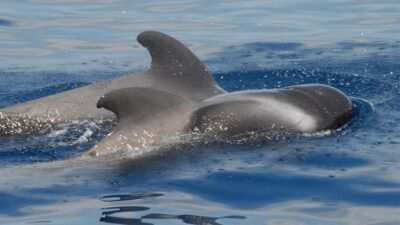 ★ 4.7Eco-Yacht Whale and Dolphin Watching and SwimmingFrom $1315,619 reviews
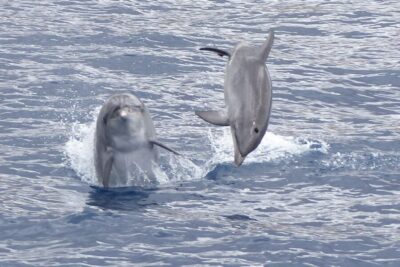 ★ 4.6Los Cristianos Respectful No-Chase Whale and Dolphin SafariFrom $2912,782 reviews
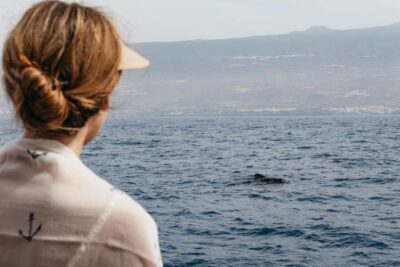 ★ 4.6Costa Adeje: Whale & Dolphin Eco-Cruise with Snacks & DrinksFrom $525,096 reviews
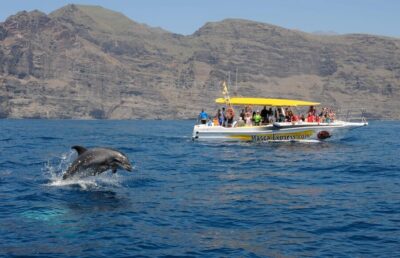 ★ 4.7Los Gigantes: Dolphin & Whale Watching Cruise with Swim StopFrom $334,539 reviews
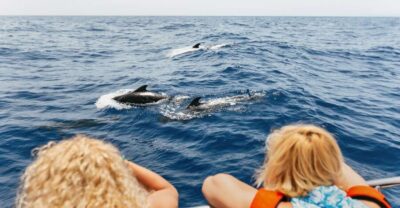 ★ 4.7Costa Adeje: Whale Watching Catamaran Tour with DrinksFrom $413,653 reviews
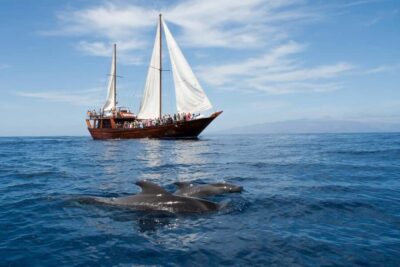 ★ 4.7Whale & Dolphin Watching Cruise with Swim StopFrom $293,227 reviews
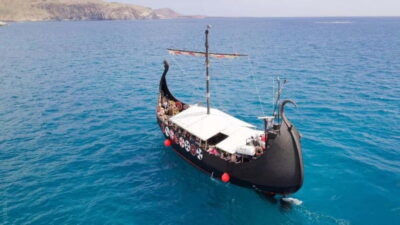 ★ 4.6Los Cristianos: Viking Cruise Whales & Dolphins WatchingFrom $473,132 reviews
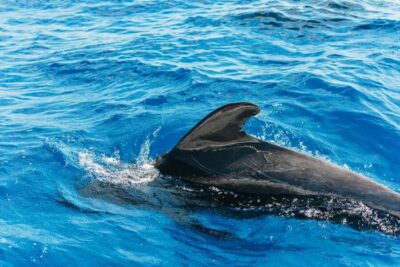 ★ 4.4Whale & Dolphin Watching with Drinks and SnacksFrom $772,929 reviews
Browse the lists this tour appears in